L.A.B. HUB
designing the future of preservation
PROJECT DESCRIPTION
An integrated fermentation system that bridge traditional culinary with precise biological monitoring and modern engineering& design.
Individual Project
2025
in collaboration with

Food Preservation Methods
-
![]()
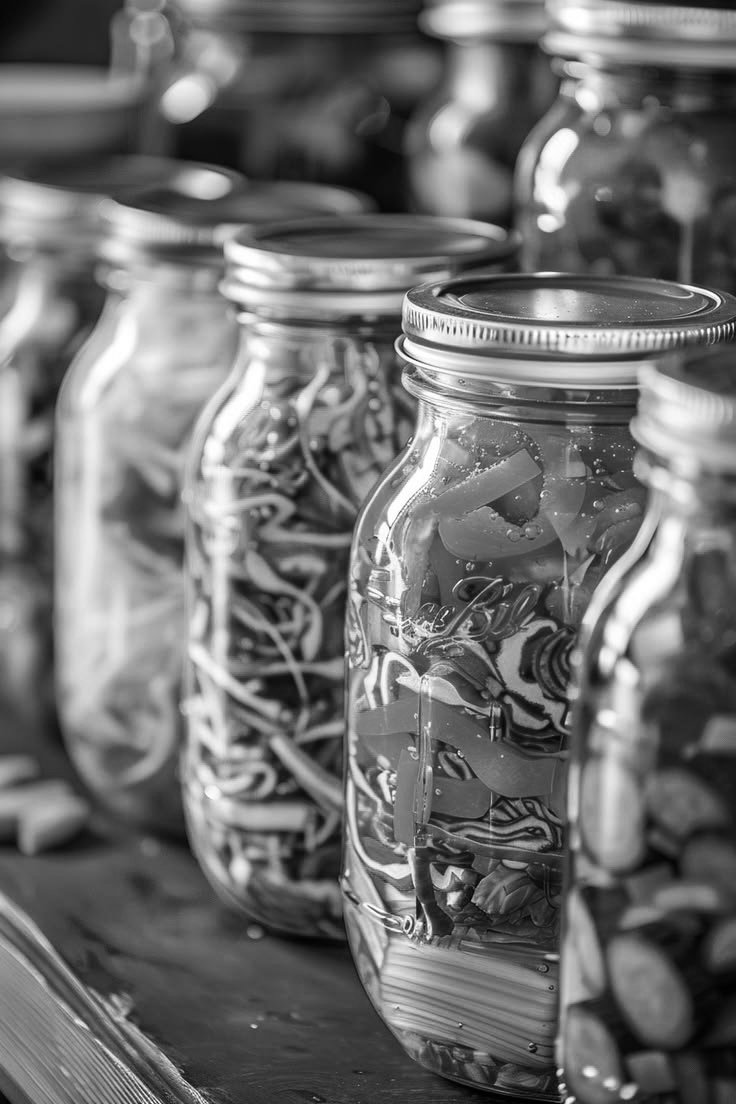
Pickling
Preserves food in an acidic brine (often vinegar) that suppresses spoilage microbes and keeps texture crisp.
-
![]()
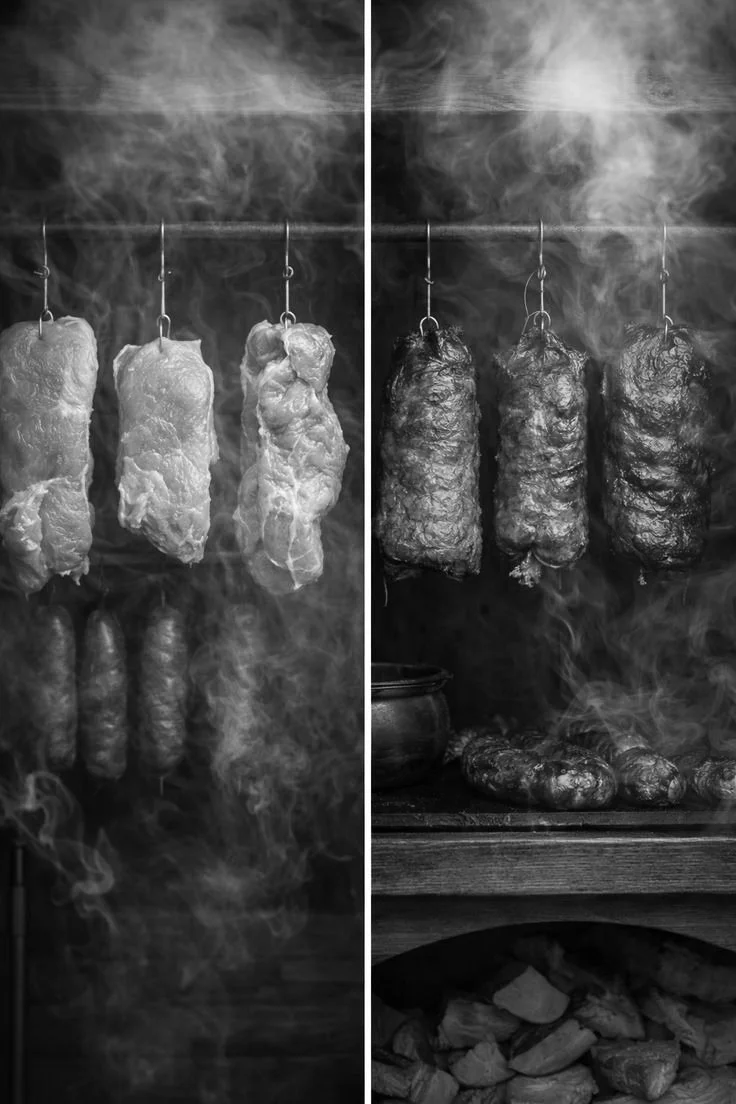
Smoking
Combines gentle drying with antimicrobial compounds from smoke to slow spoilage and add distinctive flavor.
-
![]()
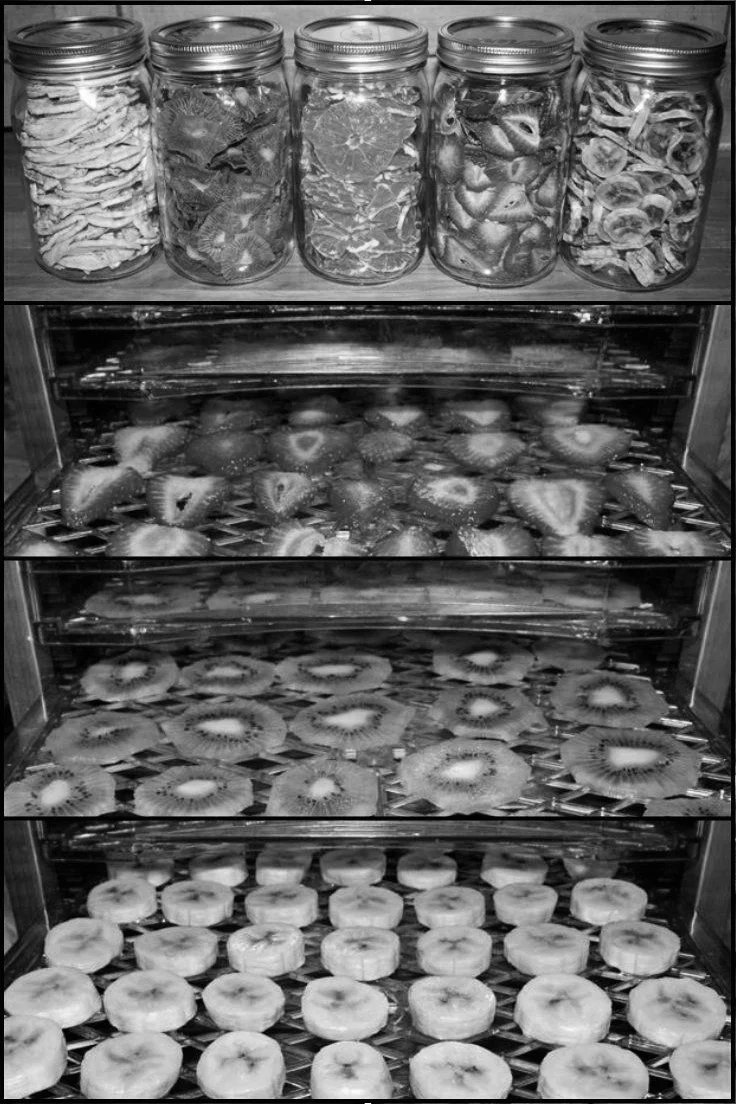
Drying
Removes moisture so bacteria and mold cannot grow, concentrating flavor and extending life.
-
![]()
Sugar Preservation
Uses high sugar concentration (jams, preserves) to bind water and inhibit microbial growth.
-
![]()
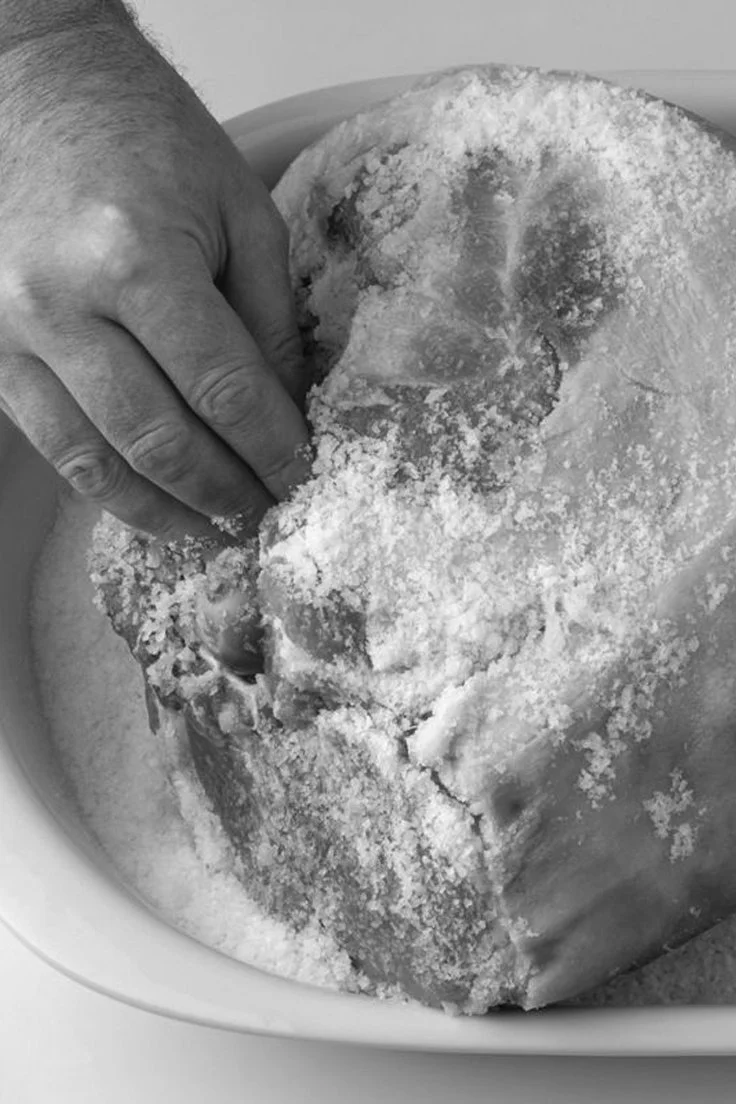
Salting
Uses salt to draw out water and reduce microbial activity, either as a dry cure or in brine.
-
![]()
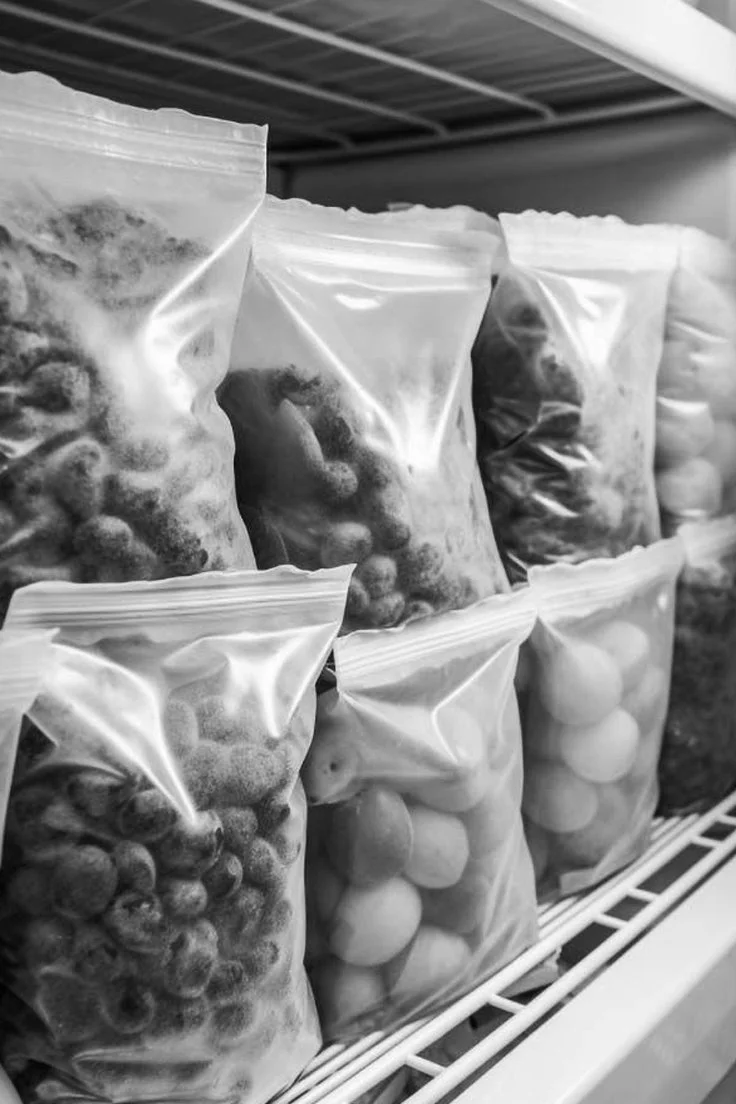
Freezing
Lowers the temperature to pause microbial growth and slow enzymes, preserving food for months.
-
![]()
Alcohol Preservation
Submerges food in alcohol to limit microbial survival while infusing flavor over time.
-
![]()
Oil Preservation
Submerges food in alcohol to limit microbial survival while infusing flavor over time.
-
![]()
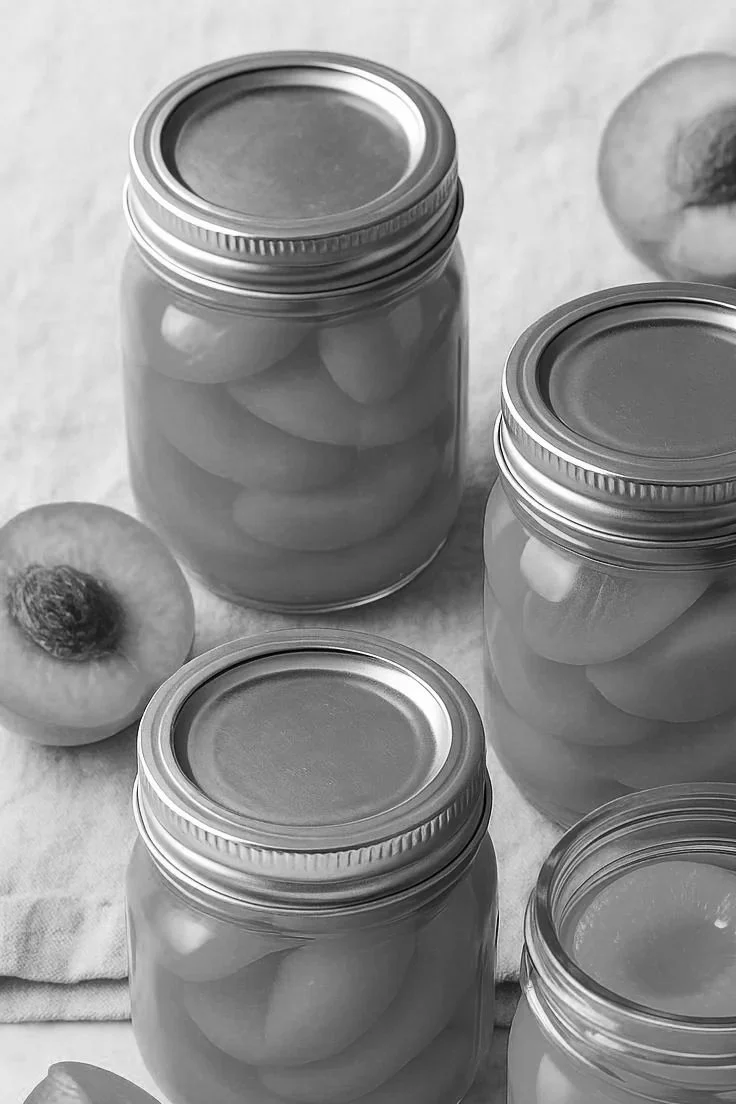
Canning
Seals food in sterilized jars and heat-processes it to kill microbes, creating a stable, long-term pantry product.
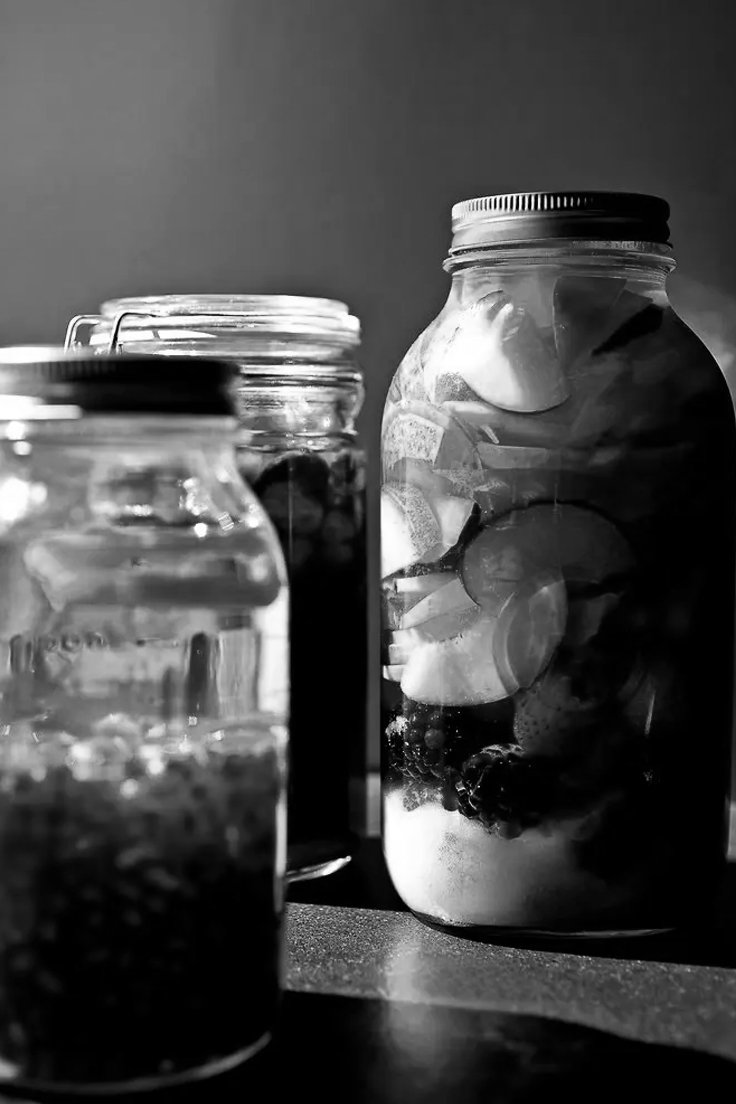
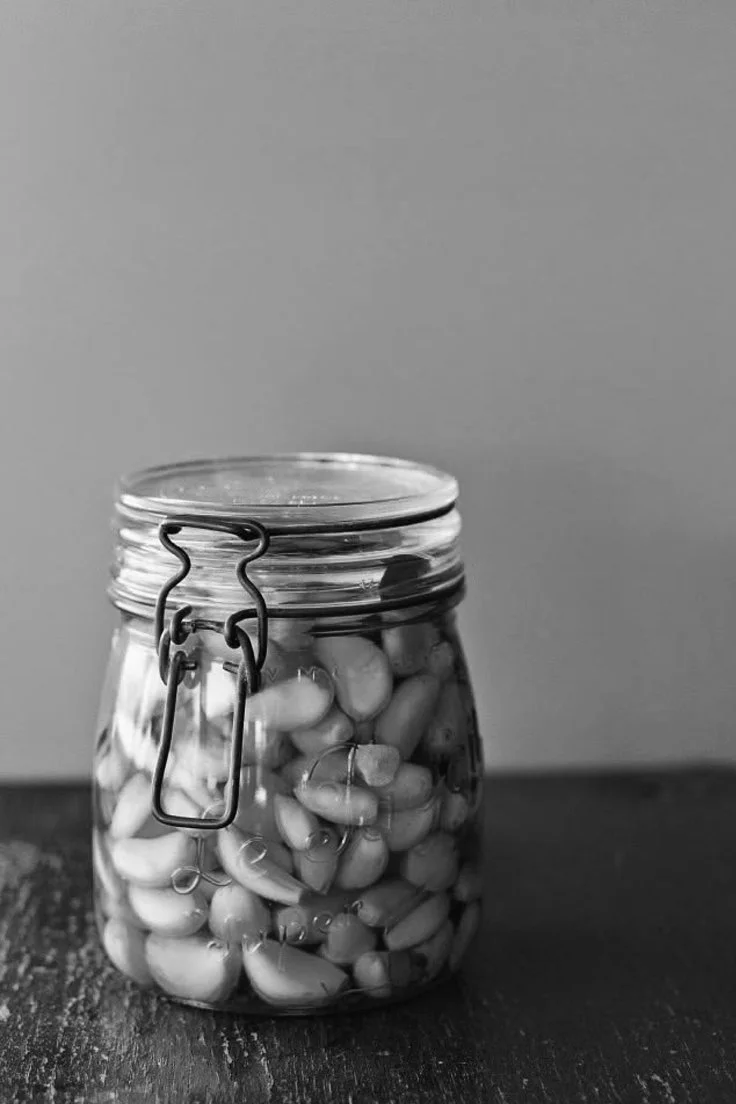
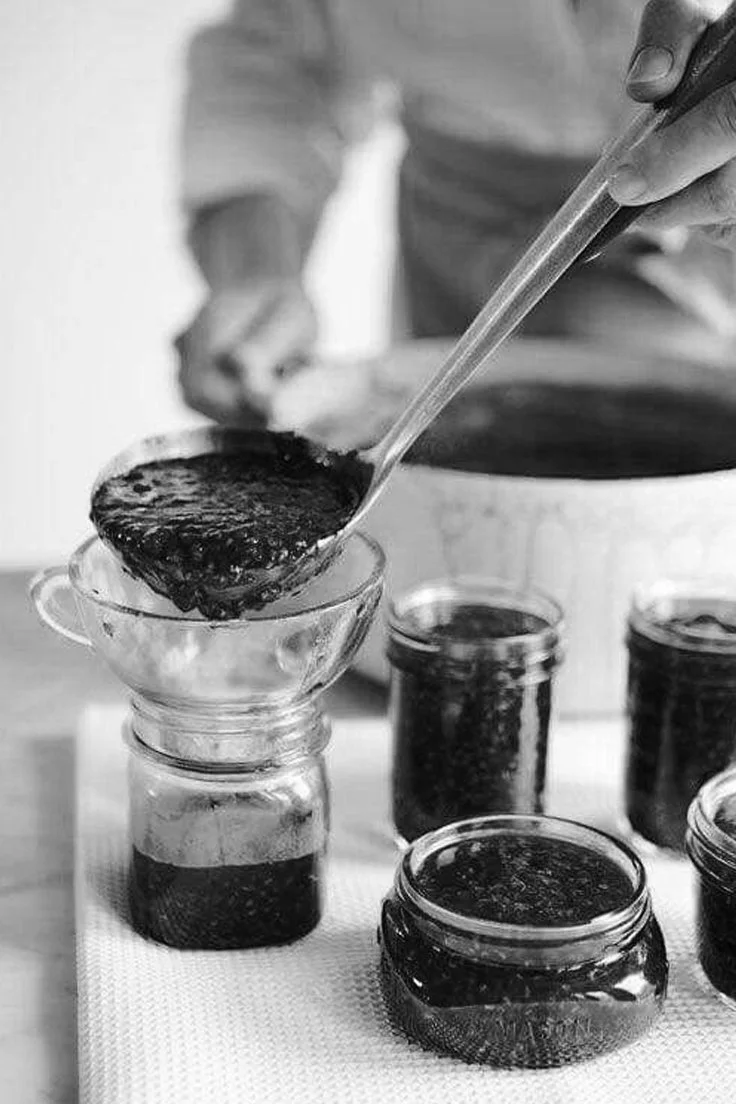
Lactic Fermentation
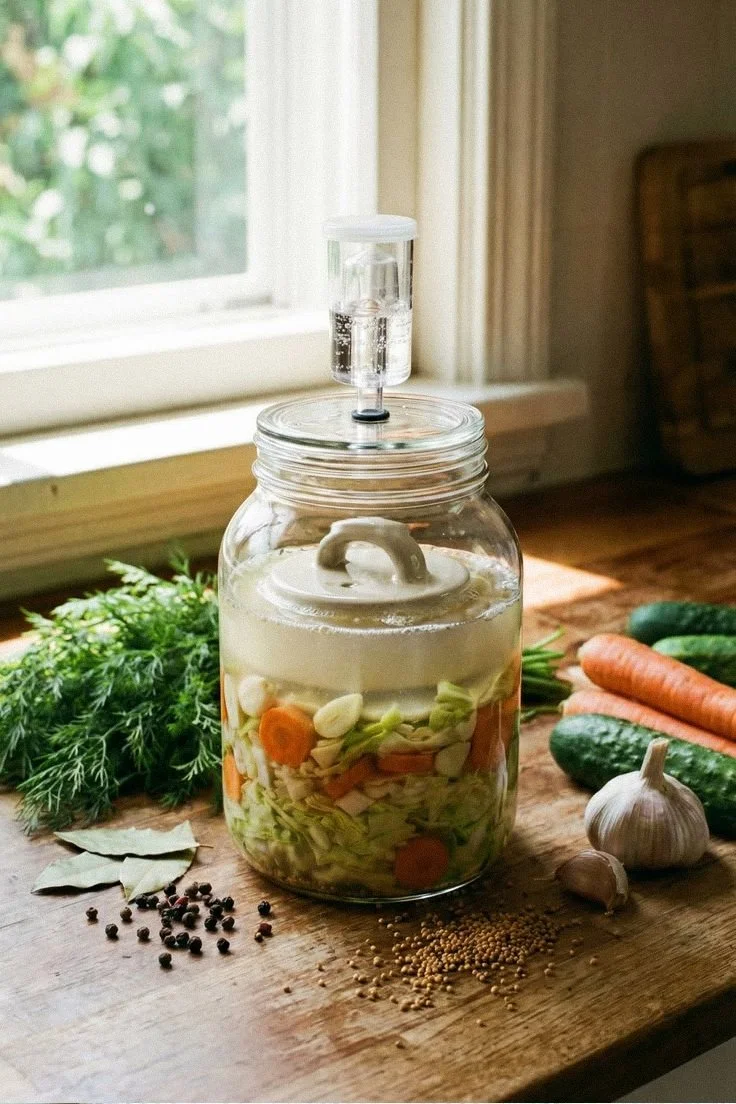
Submerges food in a salted environment that supports beneficial lactic acid bacteria, allowing them to convert sugars into lactic acid.
This natural acidification lowers pH, helps suppress harmful microbes, and preserves the food over time while also developing a distinctive sour flavor and complex aroma.
Why Lactic Fermentation?
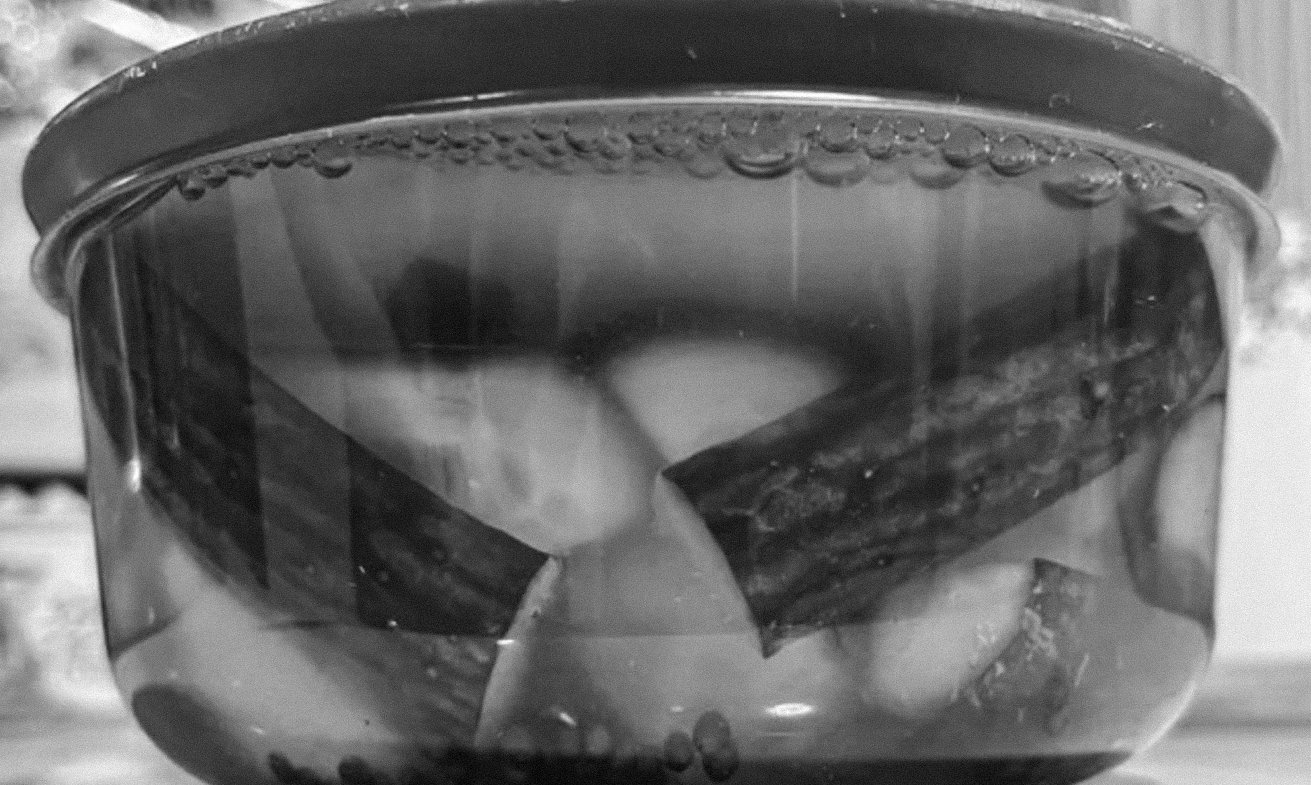
Reason #1.
Health Benefits
Supports gut health and contributes to overall well-being through naturally beneficial fermentation.
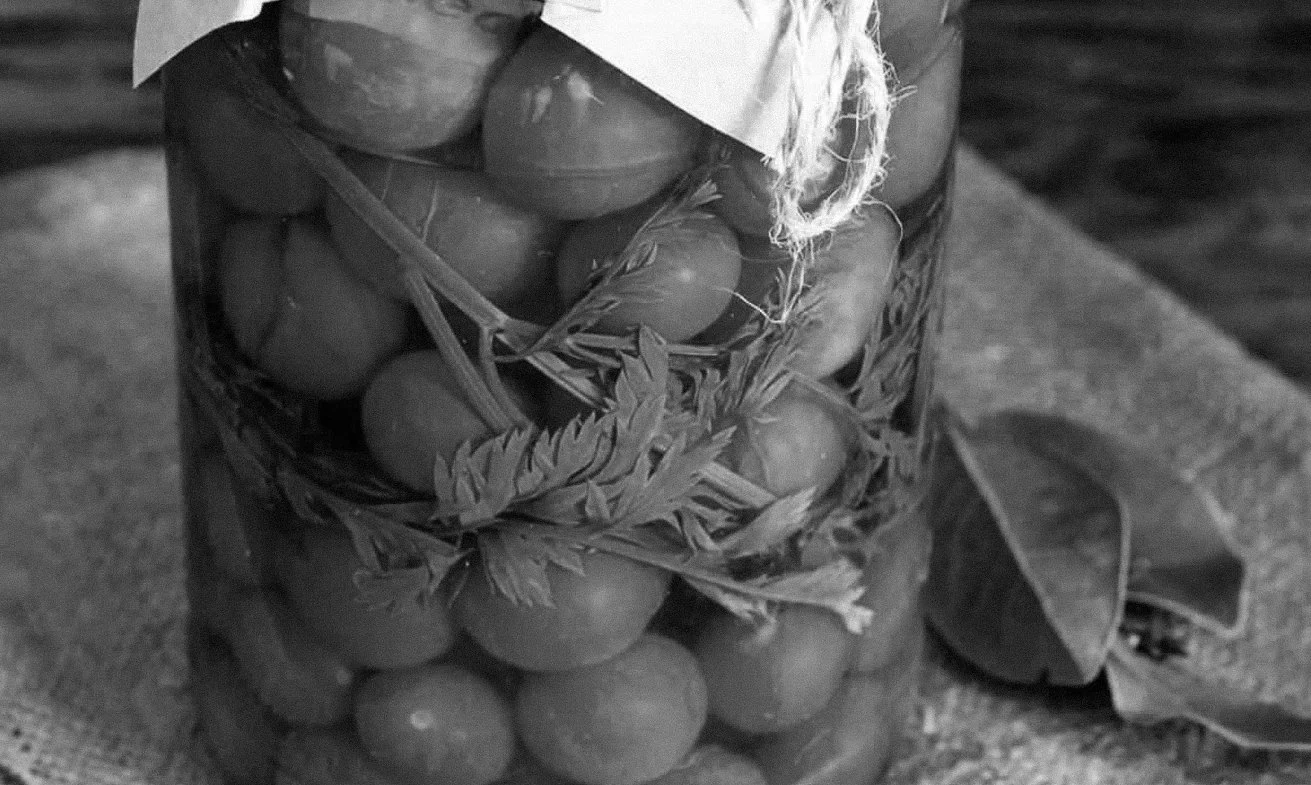
Reason #2.
Safe & Simple Preparation
Requires no stovetop or boiling process, making preparation simple, safe, and easy to manage.
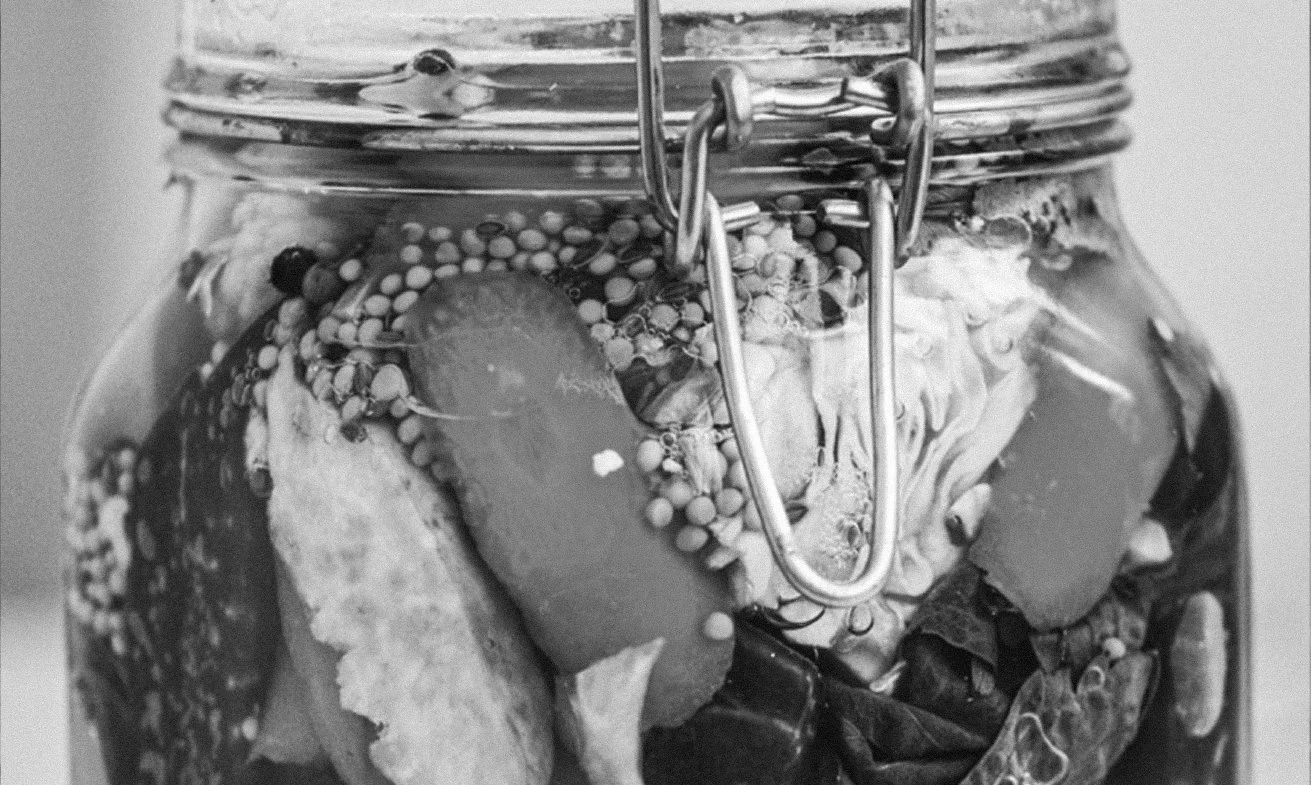
Reason #3.
High Versatility
Can be applied to a wide range of fruits and vegetables and easily adapted to different recipes and preferences.
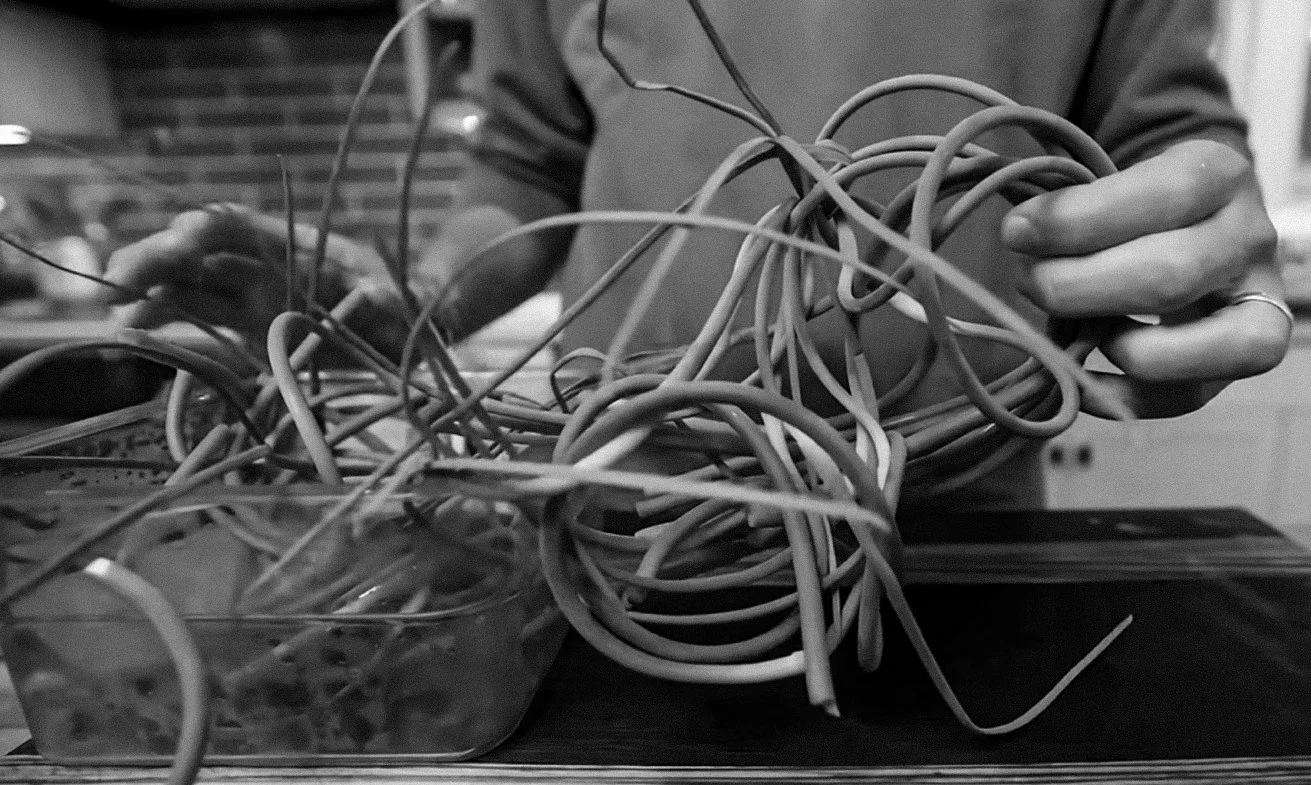
Reason #4.
Low Waste & Small Batches
Makes use of various edible parts and is well suited to low-waste, small-batch food preparation.
Reason #5.
Multi-Use Output
Produces food that can be consumed directly or incorporated into meals as a flavorful functional ingredient.
Reason #6.
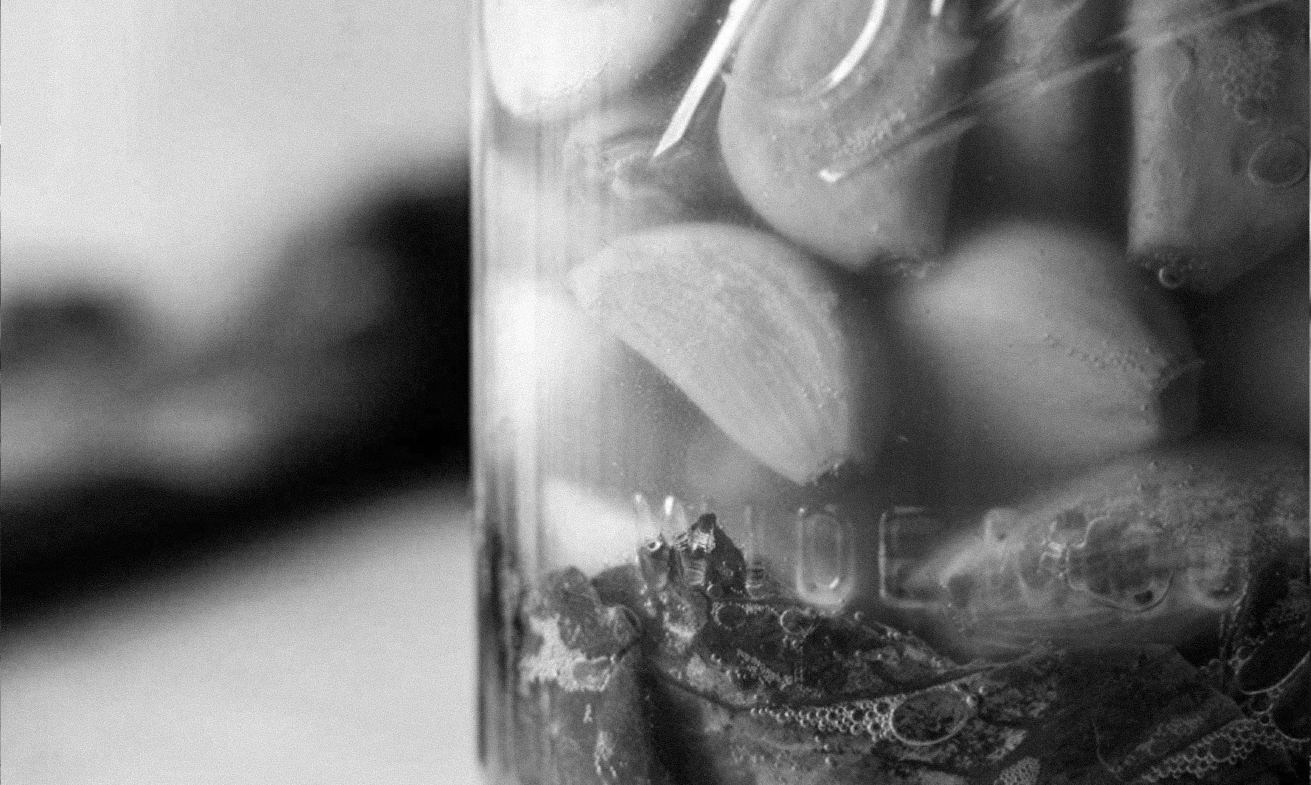
A Scalable Hobby
Can start as a simple home activity and gradually develop into a more advanced and engaging practice.
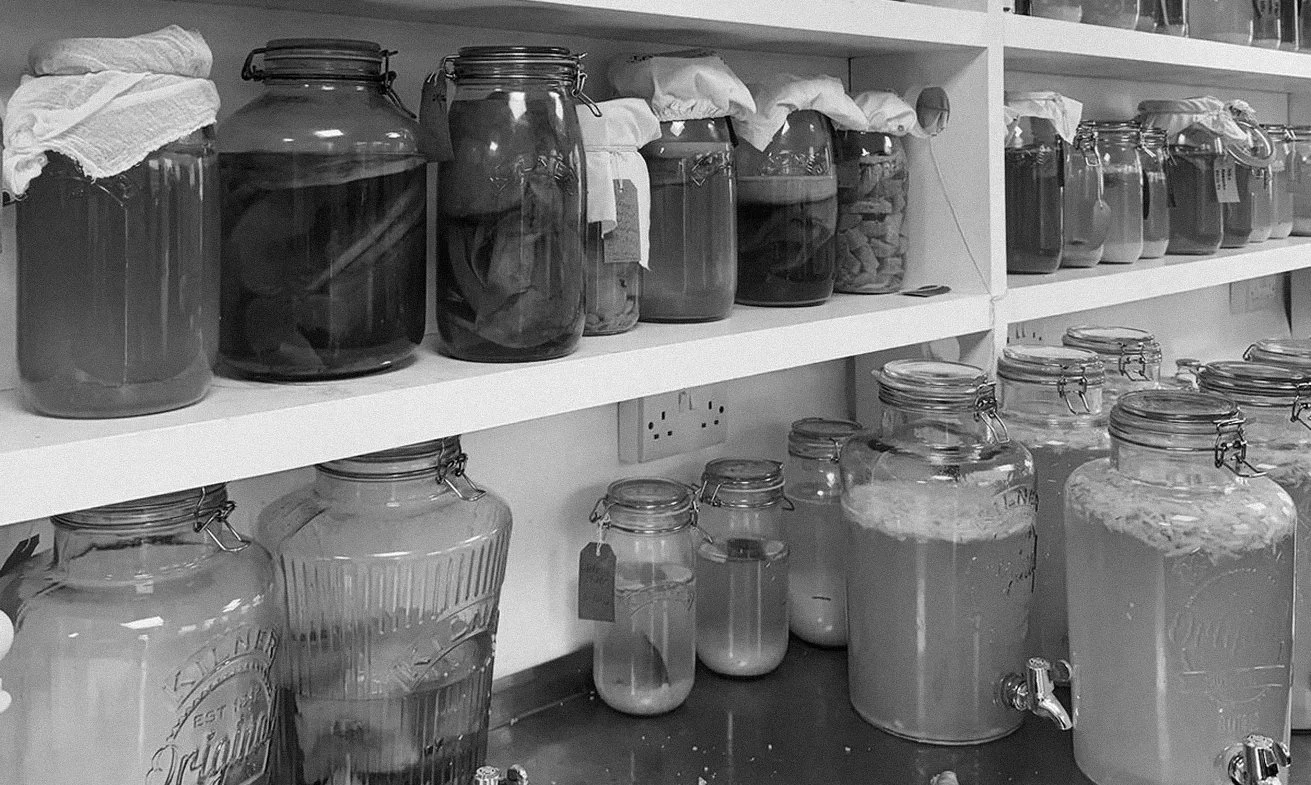
Task Analysis
1
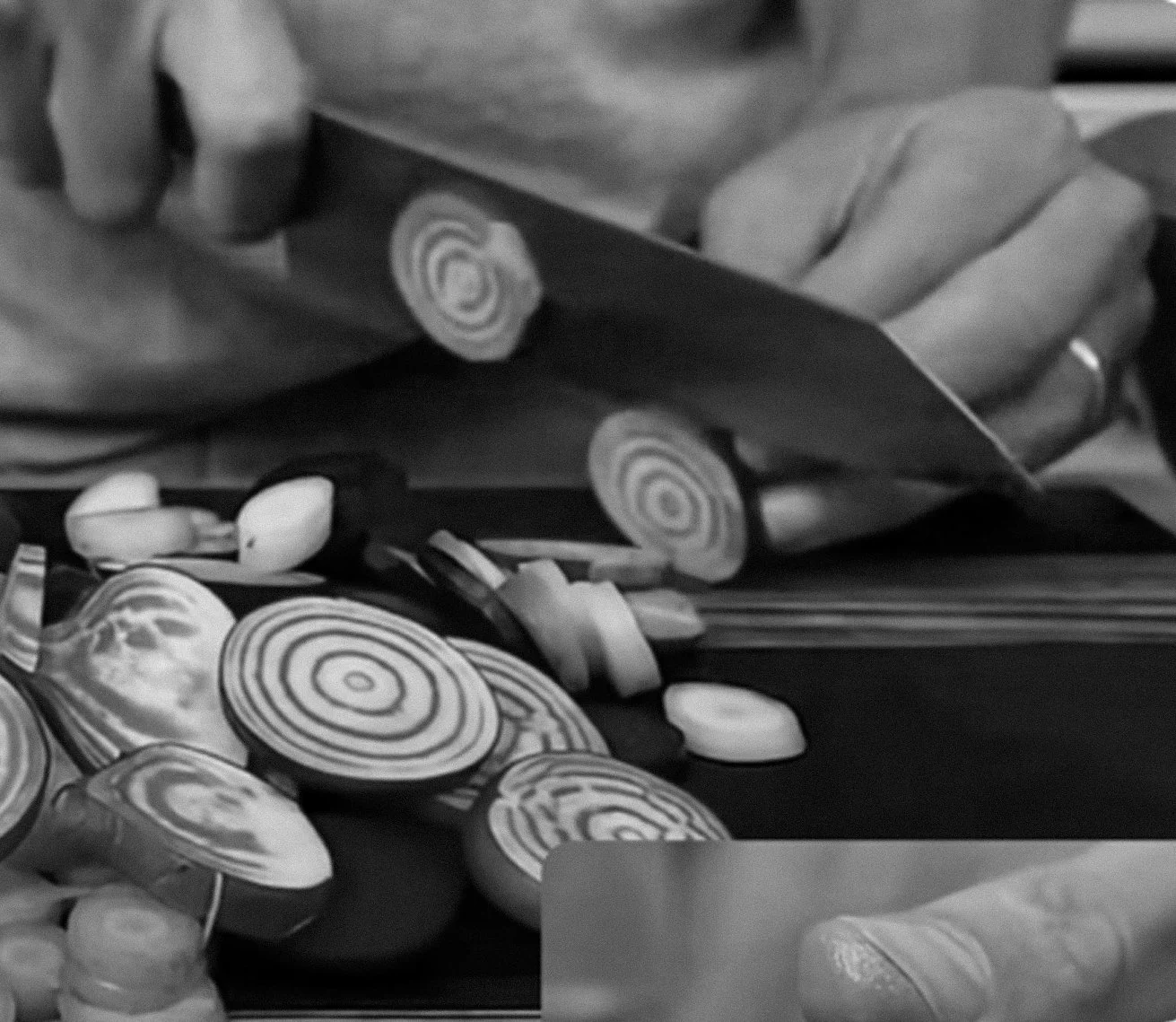
Cutting
Some simple cuts are sometimes needed.
2
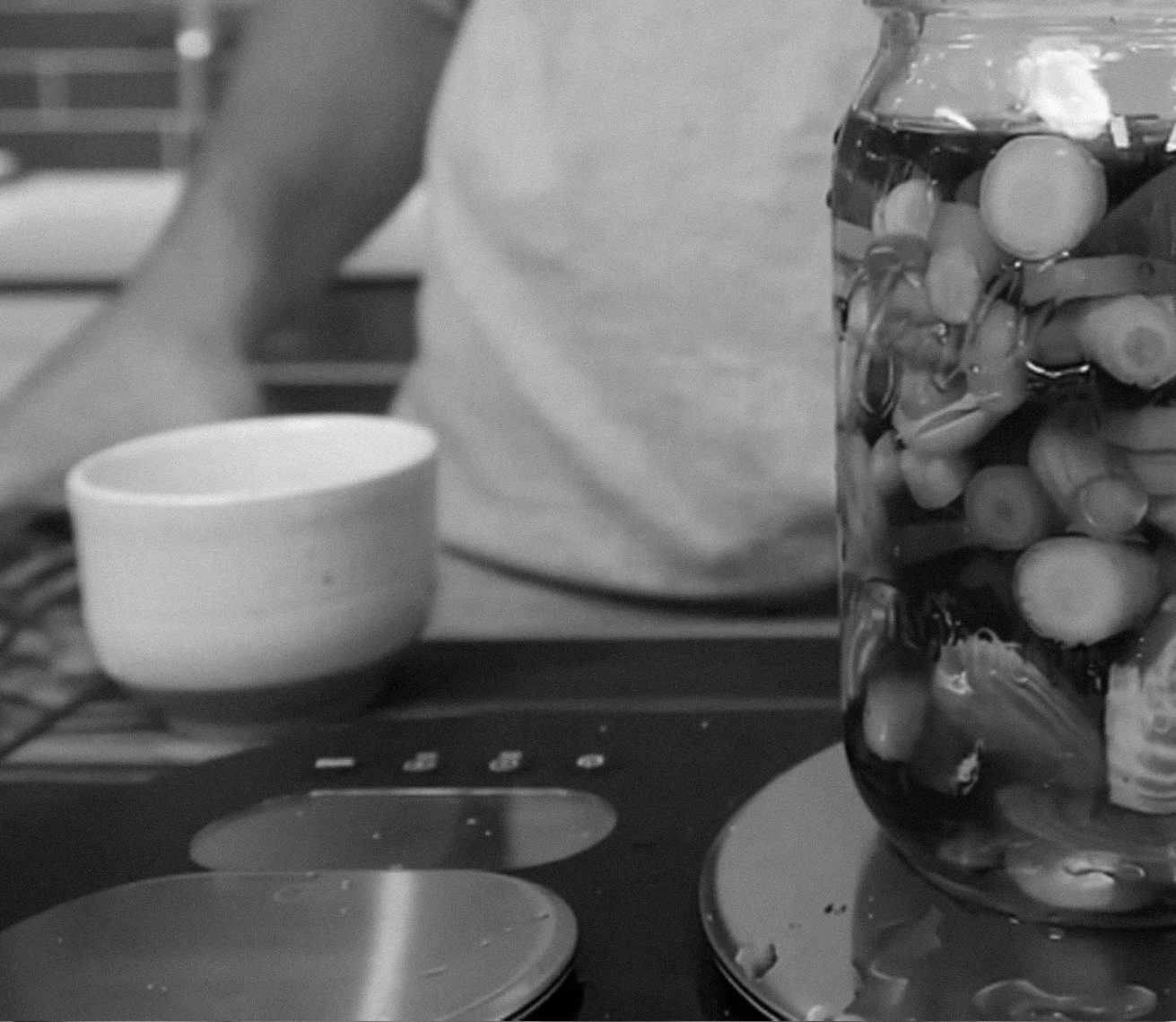
Scaling
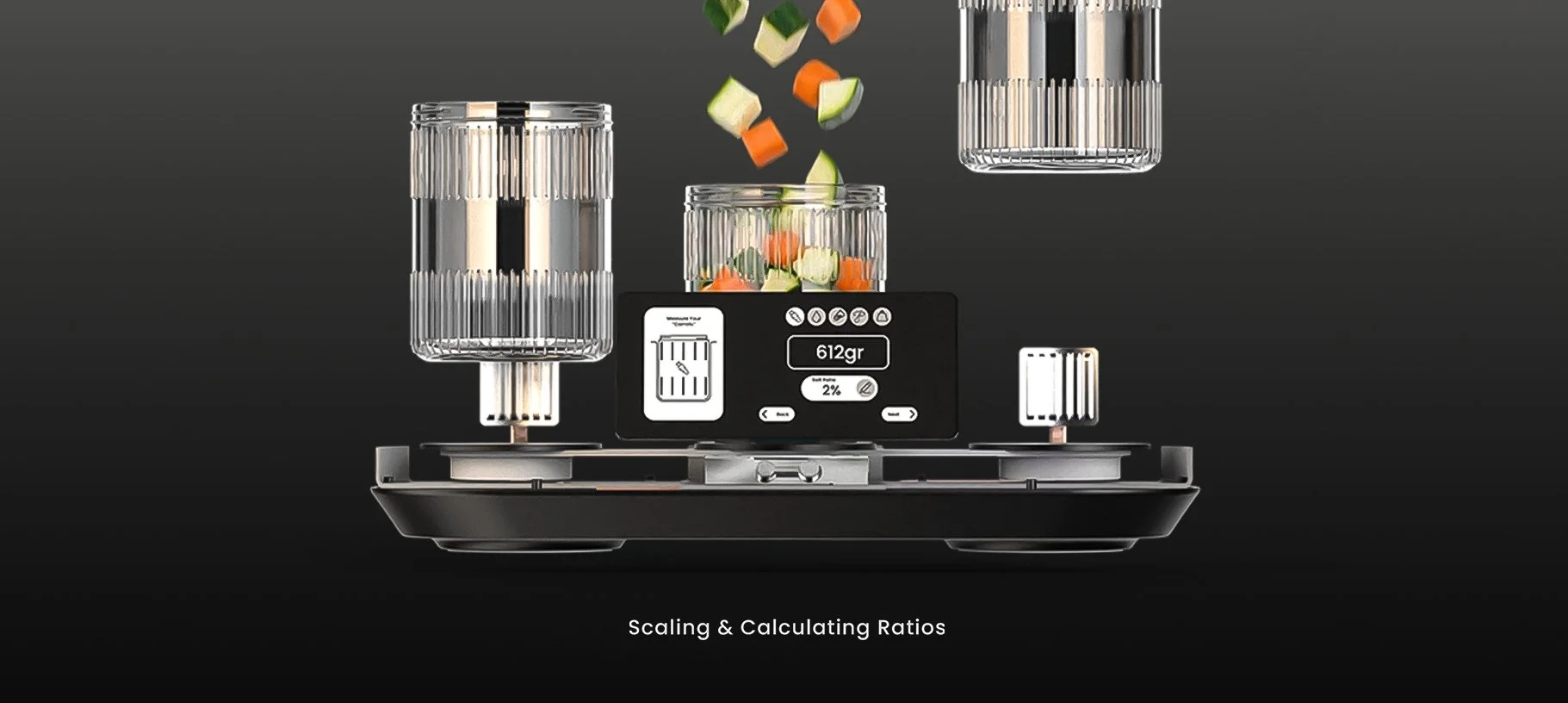
The produce and water need to be weighed.
3
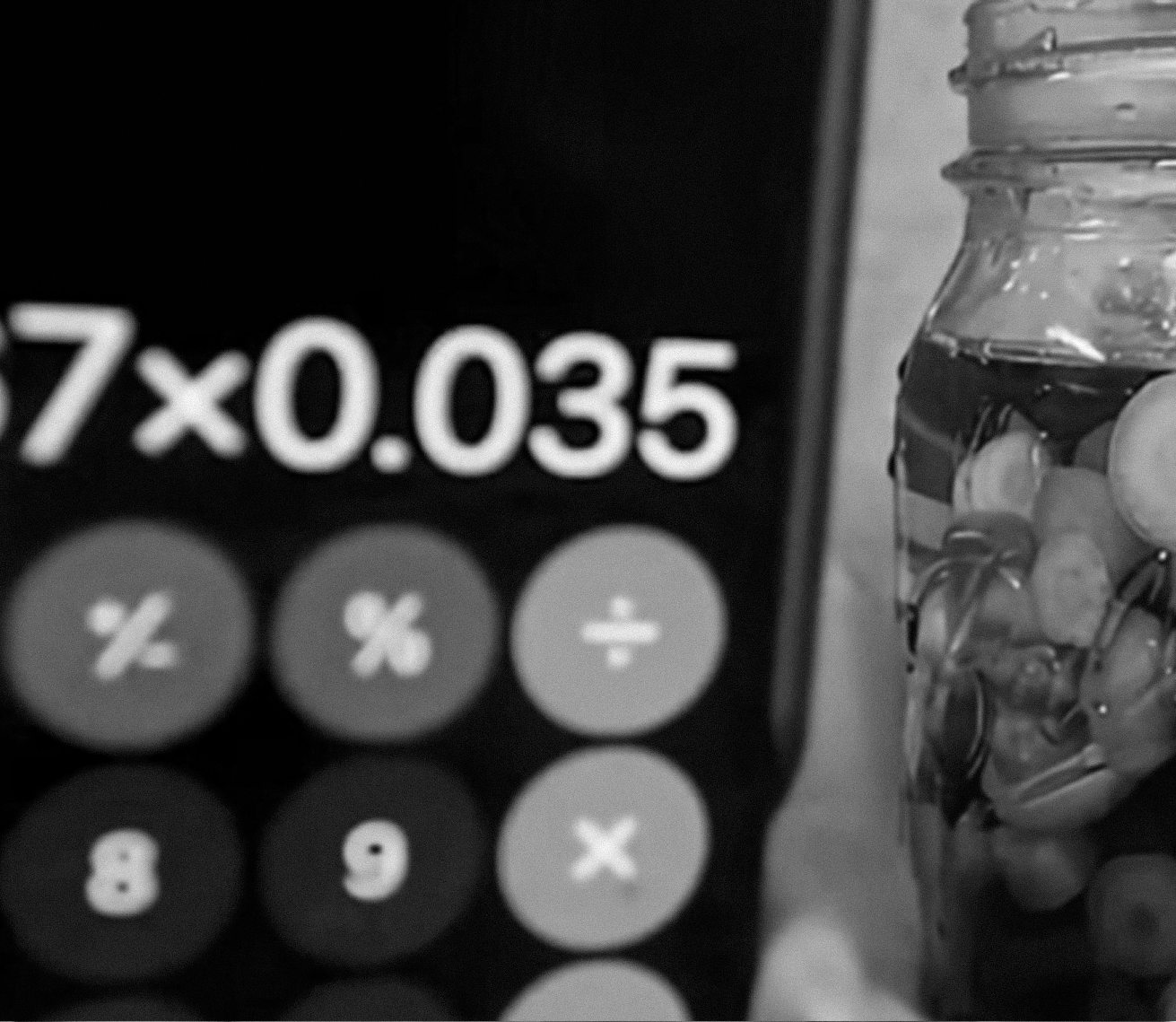
Calculating
Salt ratio (2–5%) is calculated
4
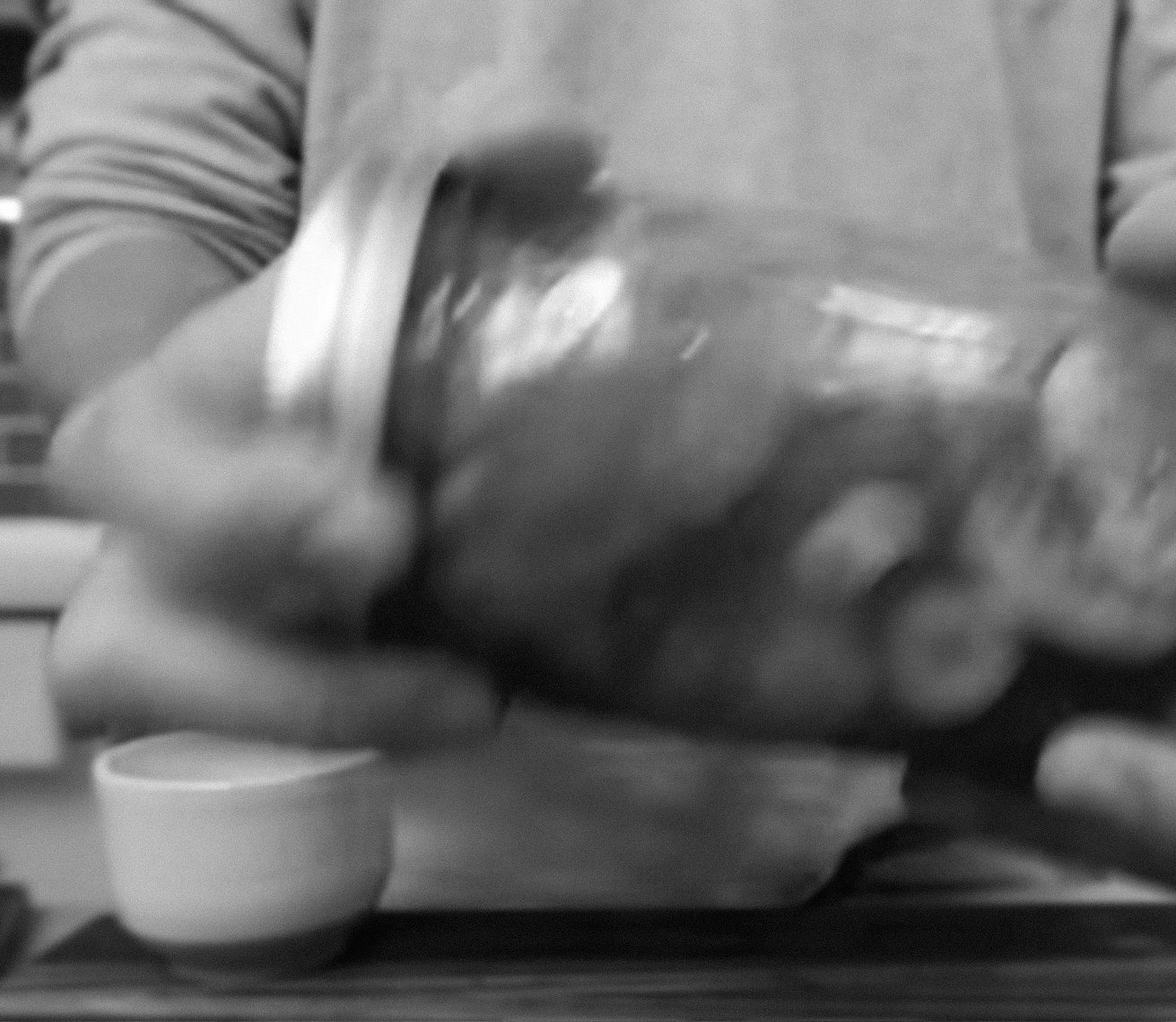
Mixxing
A mix to spread the salt.
5
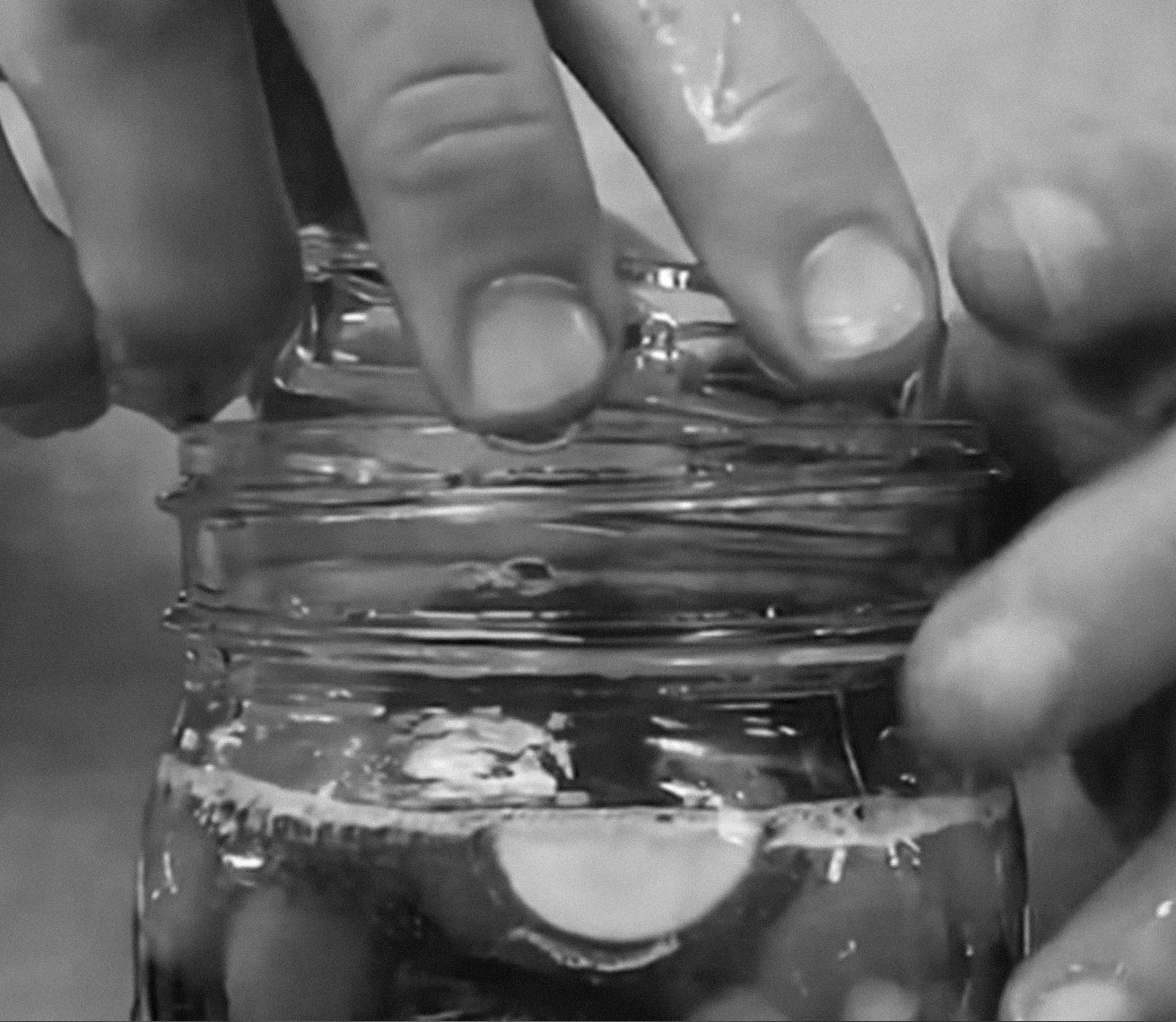
Adding Weight
A weight is placed to keep ingredients submerged.
6
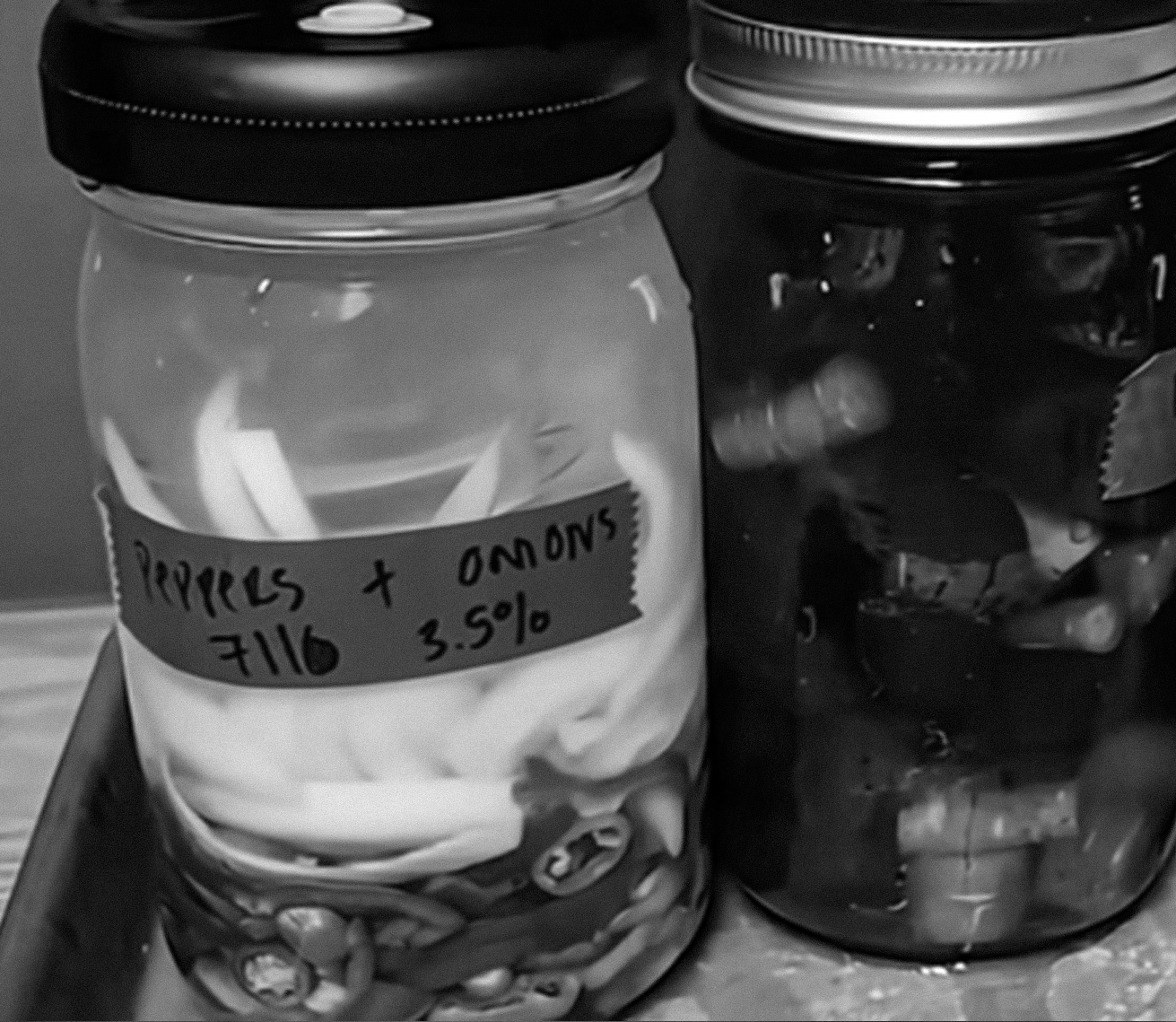
Labelling
Label the jar recipe details.
7
Storing
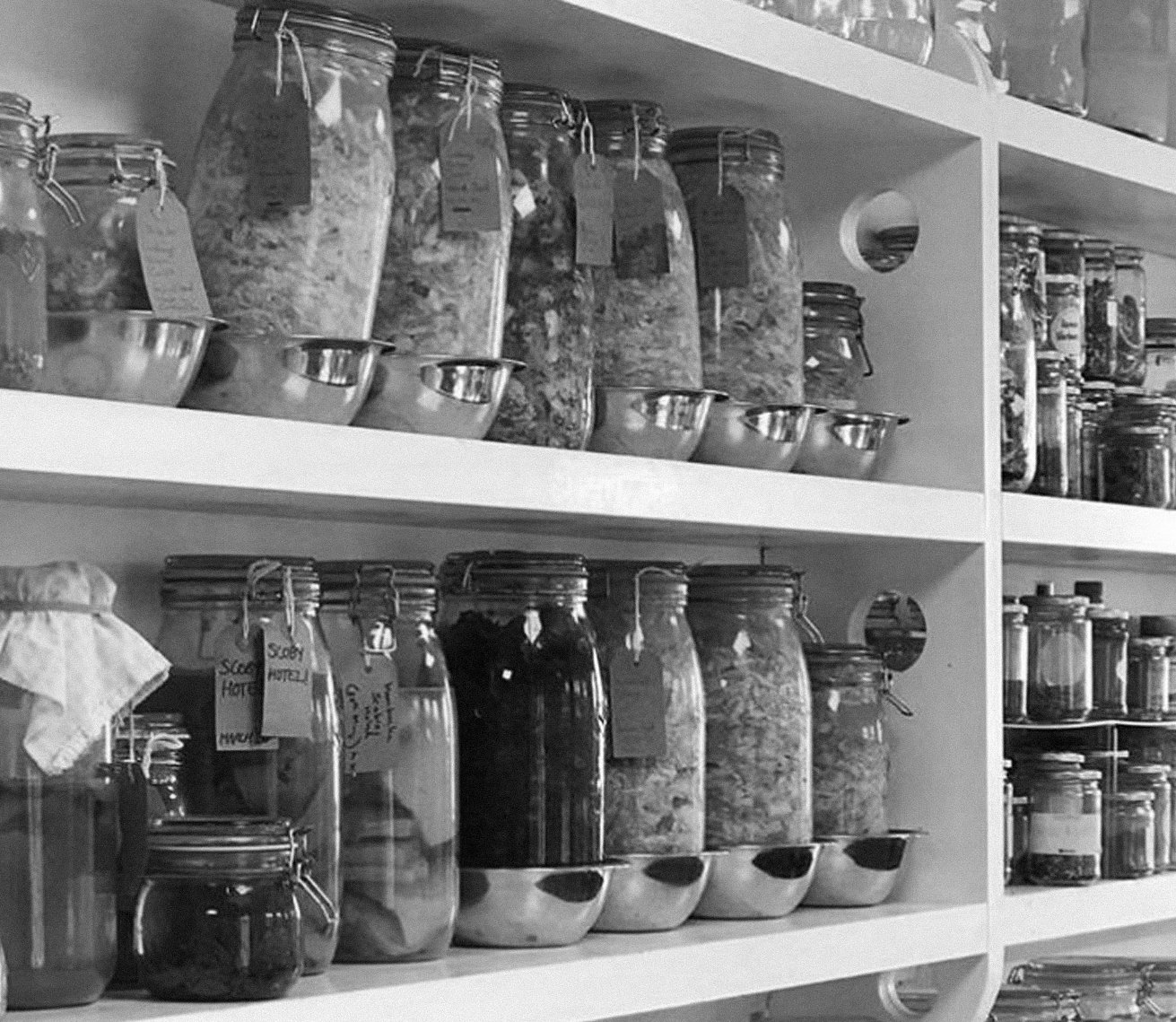
Store the jar in a cool, dark place (15–23°C).
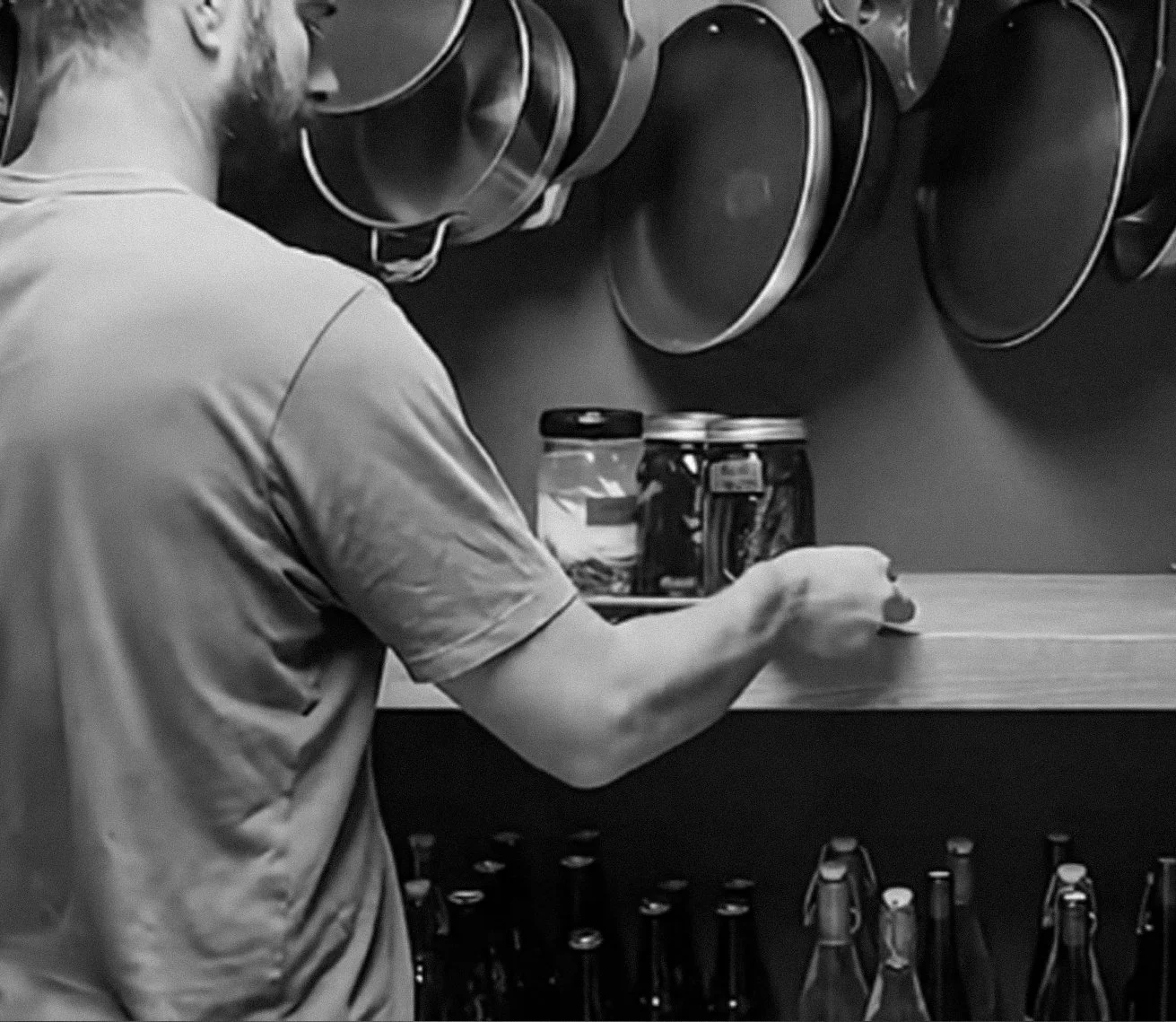
8
Tracking
Check the jars regularly.
What are the Painpoints?
Painpoint #1.
Fragmented Workflow
Tasks happen across multiple tools and surfaces, making the process feel scattered.
Painpoint #2.
Process Uncertanity
The user cannot tell whether the fermentation is progressing correctly, creating constant doubt.
Painpoint #3.
Hygene&Contamination Anxiety
Ambiguous smells and visual changes make users fear contamination or failure.
Painpoint #4.
Environmental Instability
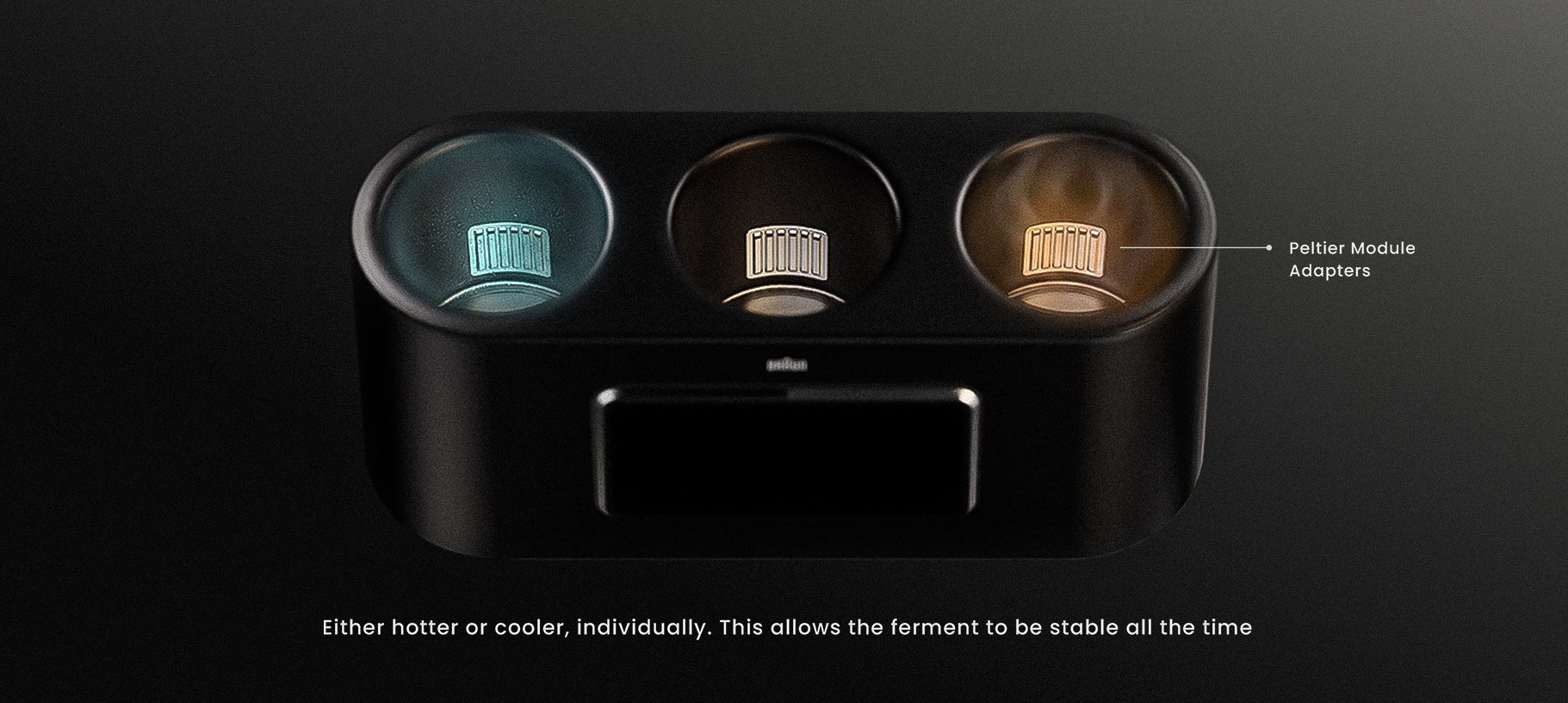
Temperature and light fluctuate daily and seasonally, causing inconsistent results.
Product Development Phase
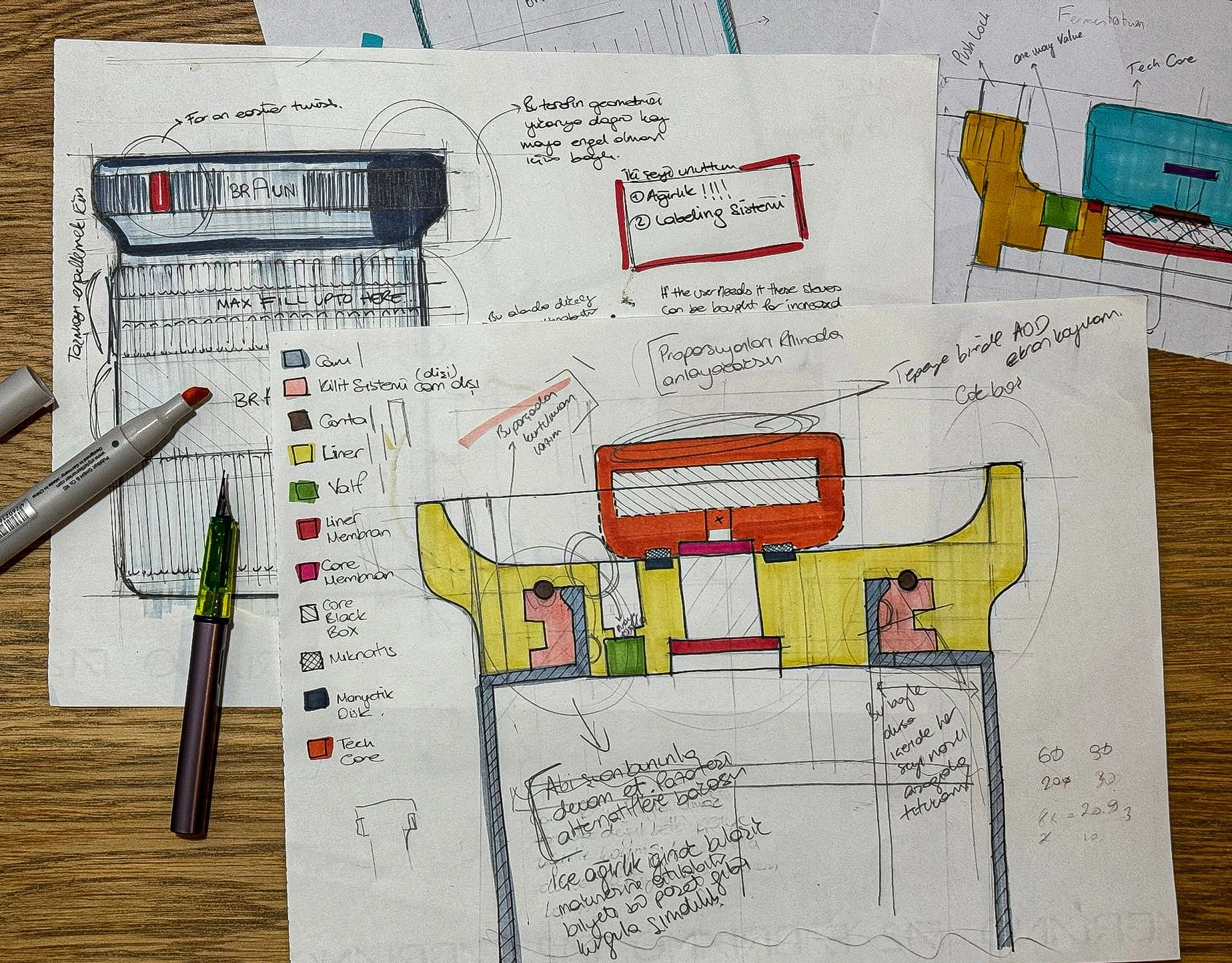
The process began with research into the product architecture, supported by an extensive series of section drawings.
Once the architecture was established with the right components, the project continued with form development.
Rough Section Sketches
Early Product Form&Architecture Iterations
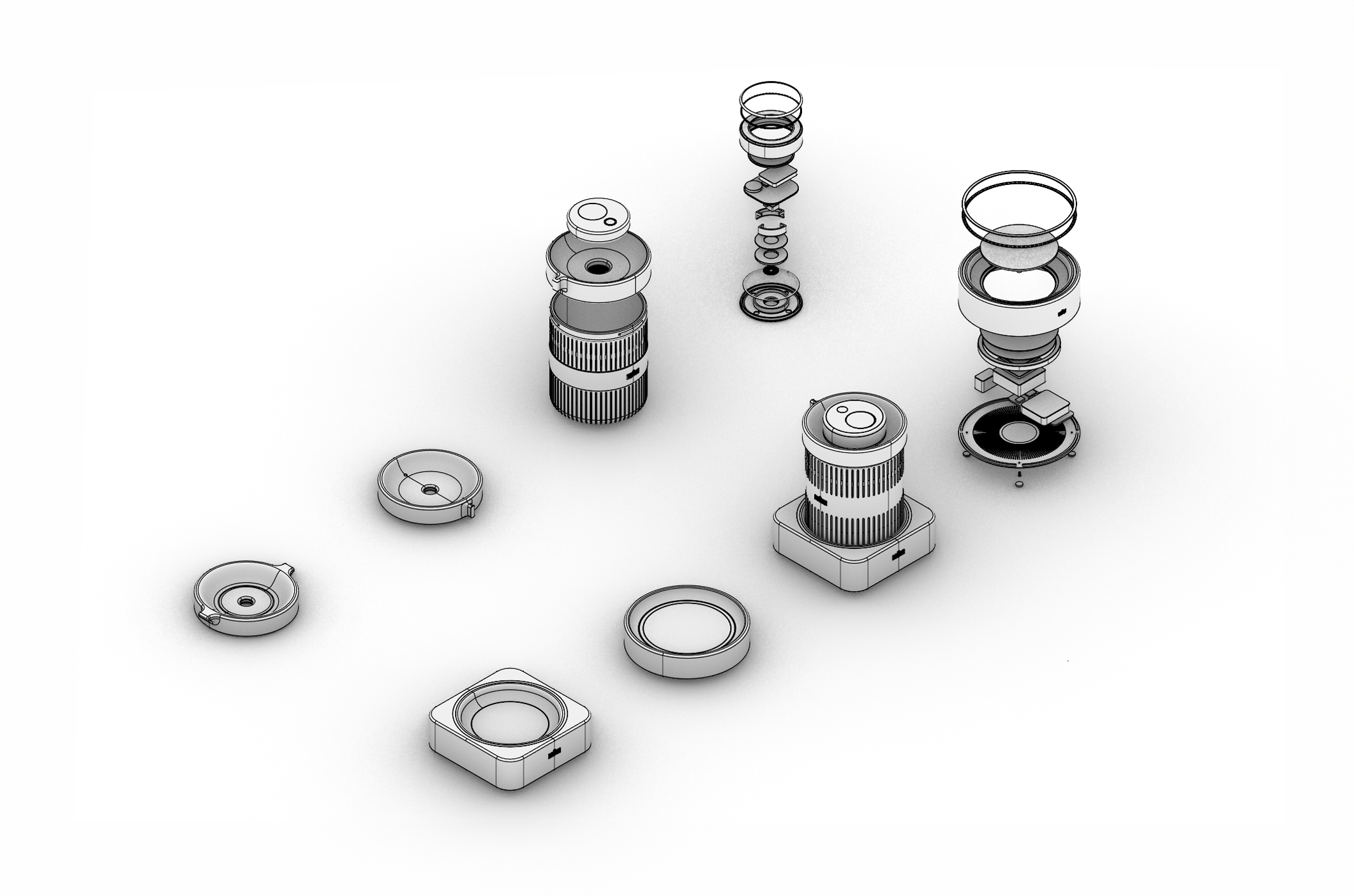
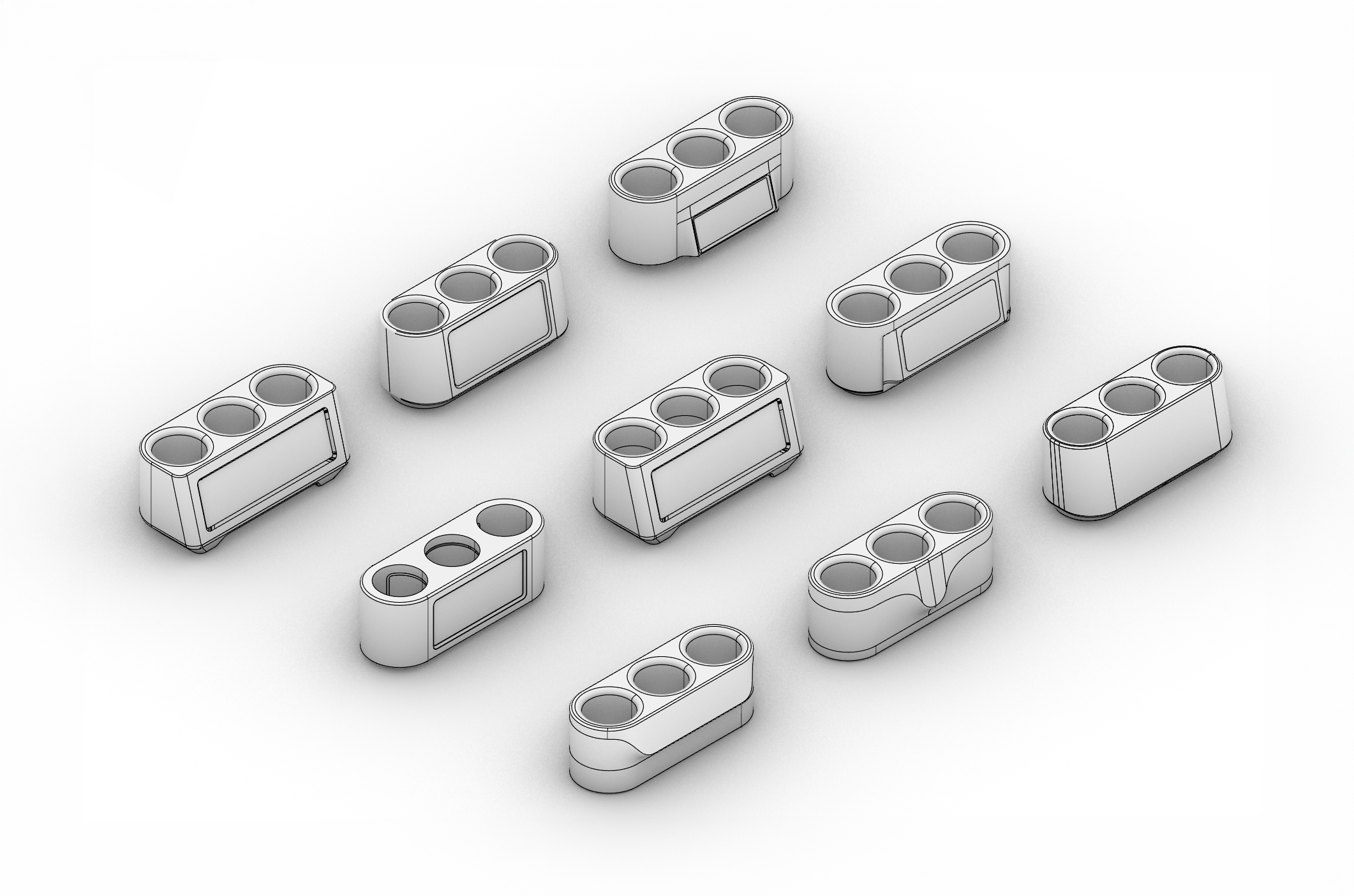
Form Iterations for the Base
Product Overview
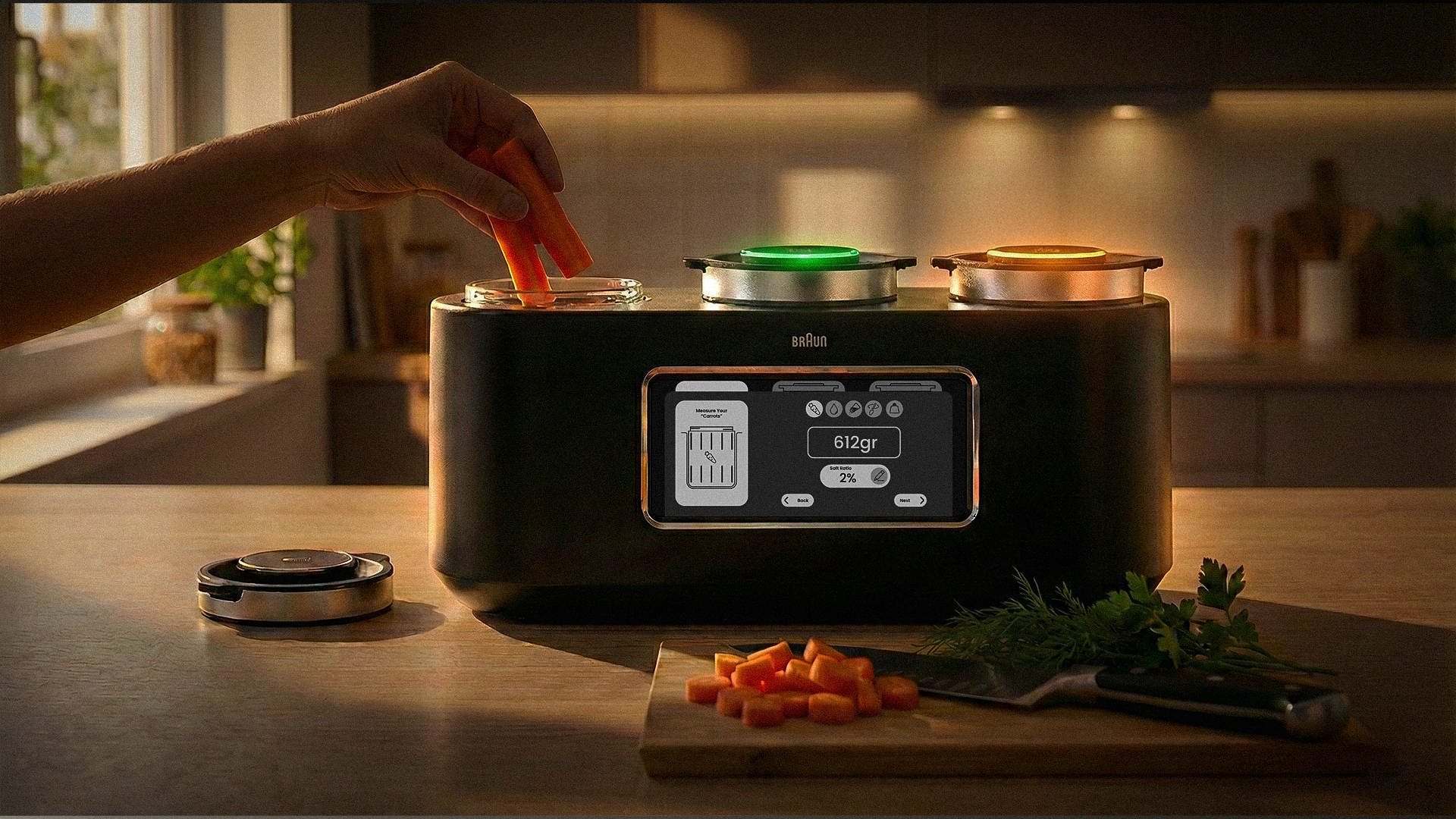
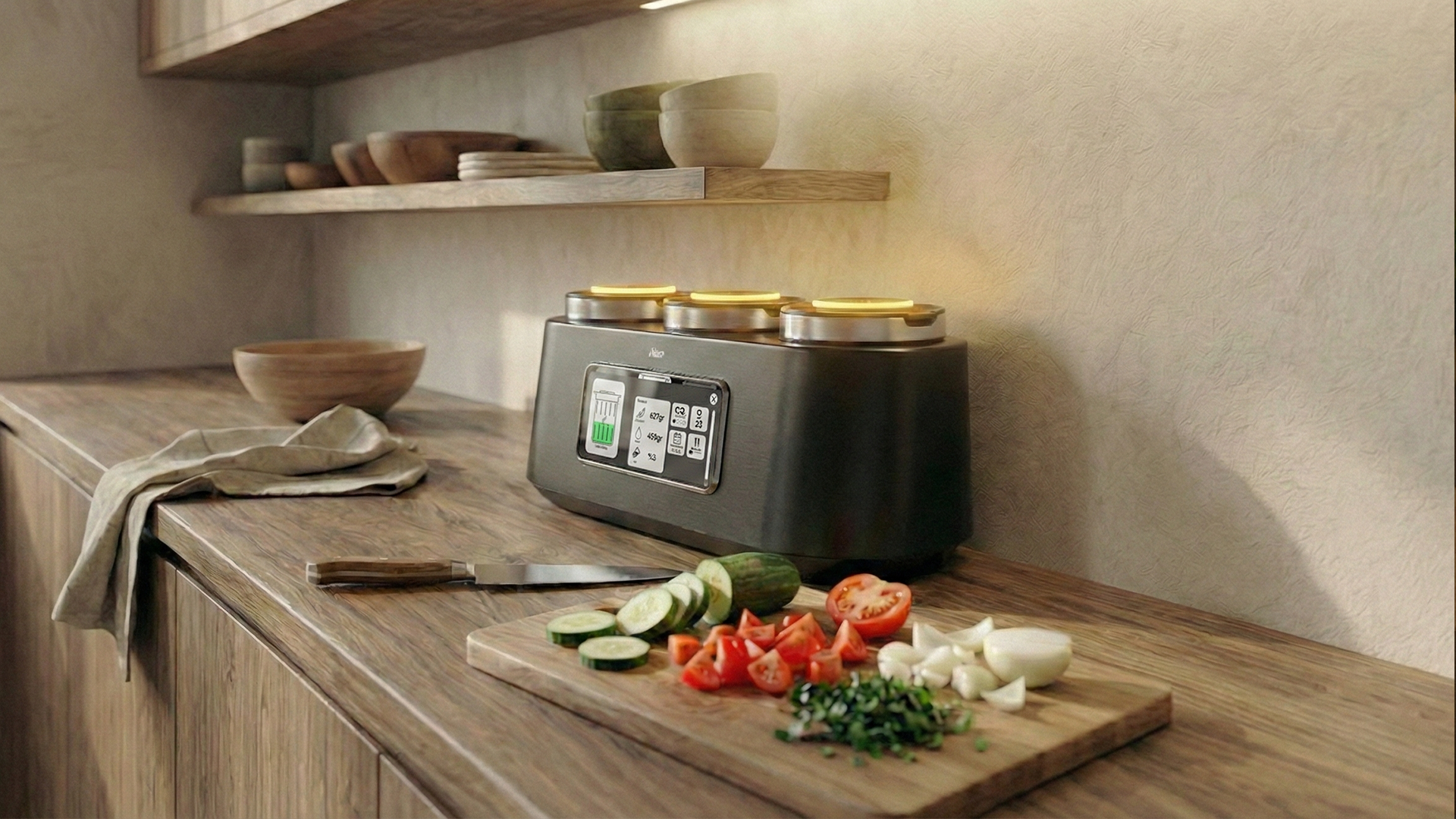
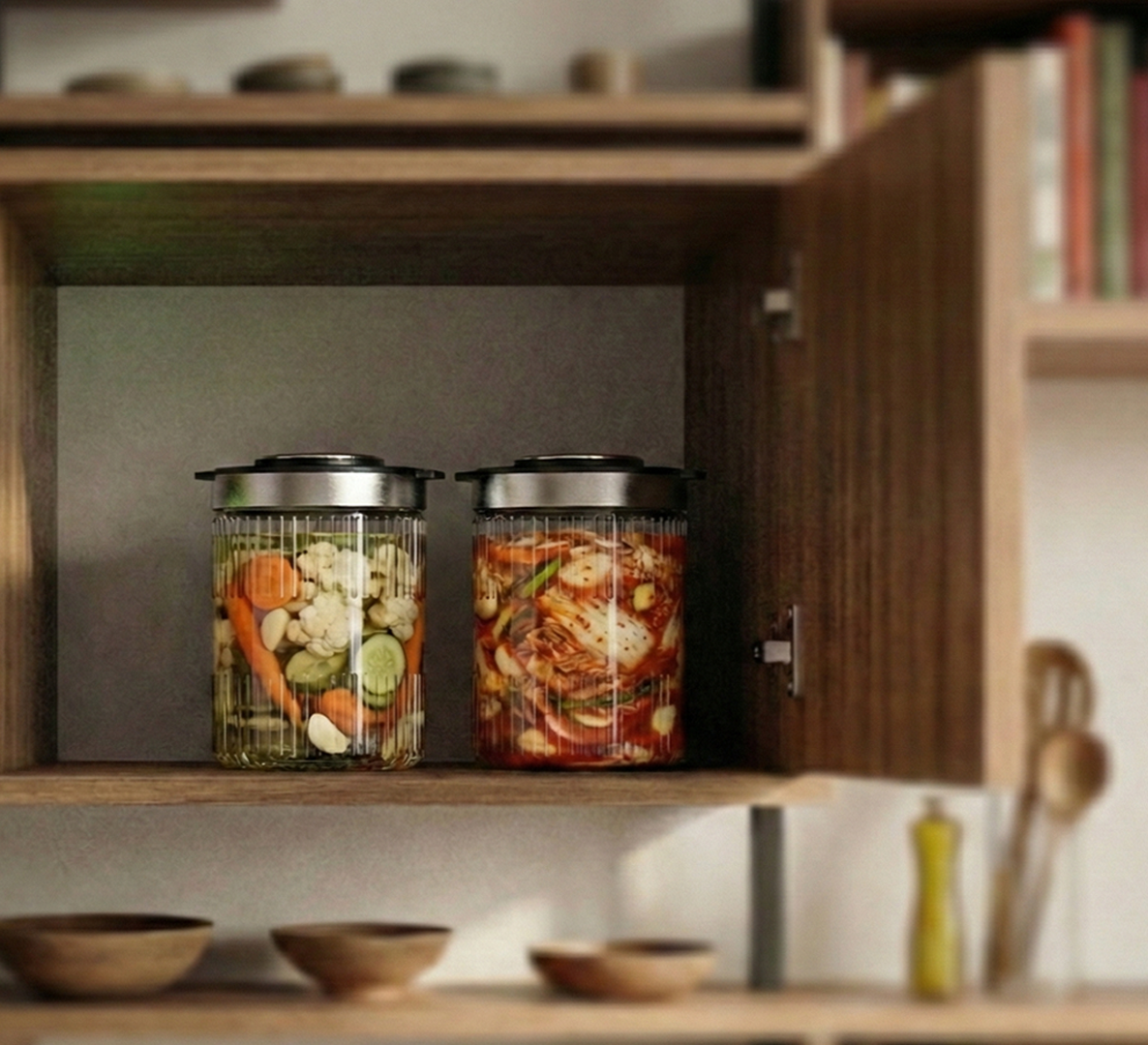
L.A.B. Hub: Integrated Lactic Fermentation System
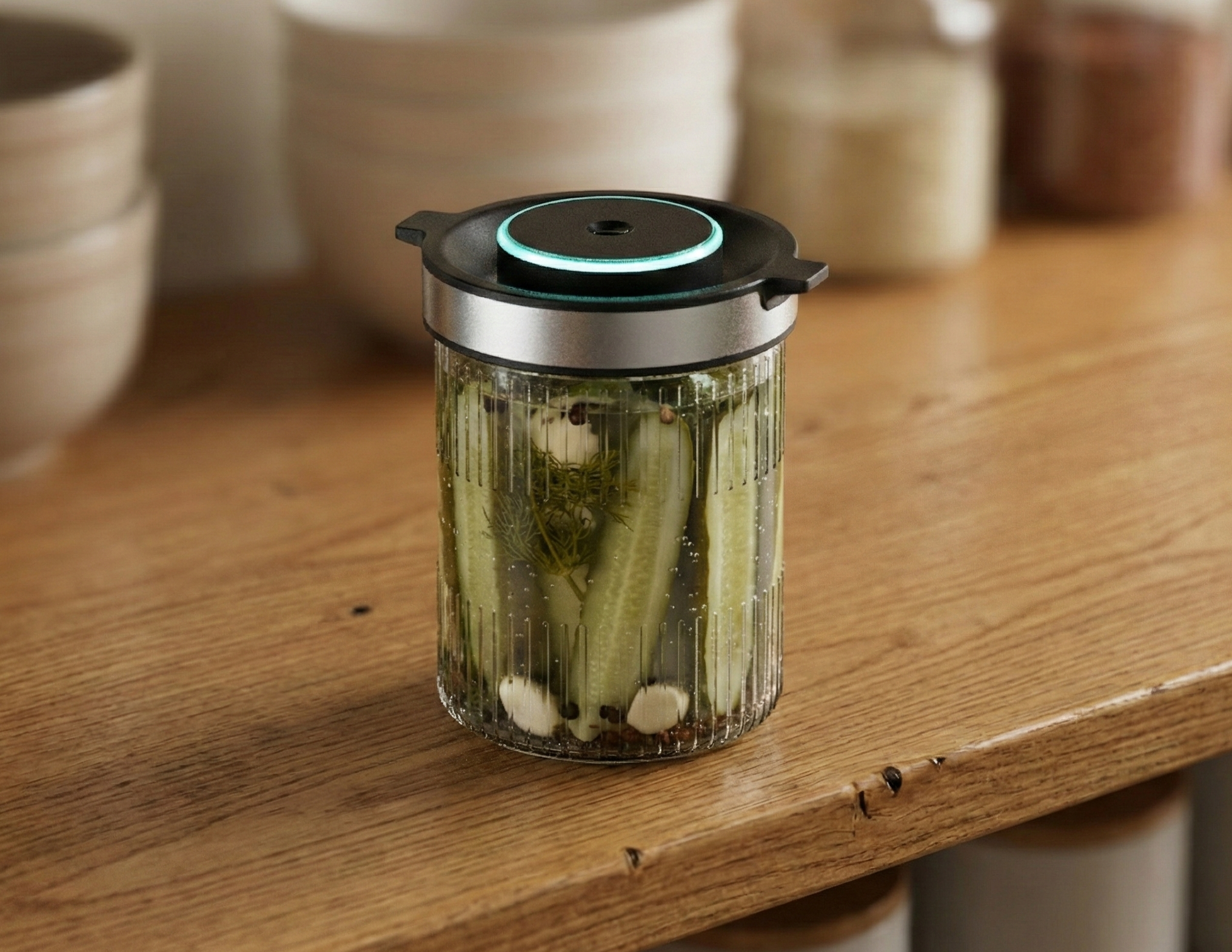
L.A.B. Hub combines a sensor-driven Core, a controlled Liner, and a dedicated Jar set to deliver a stable, trackable fermentation process in a single integrated system.
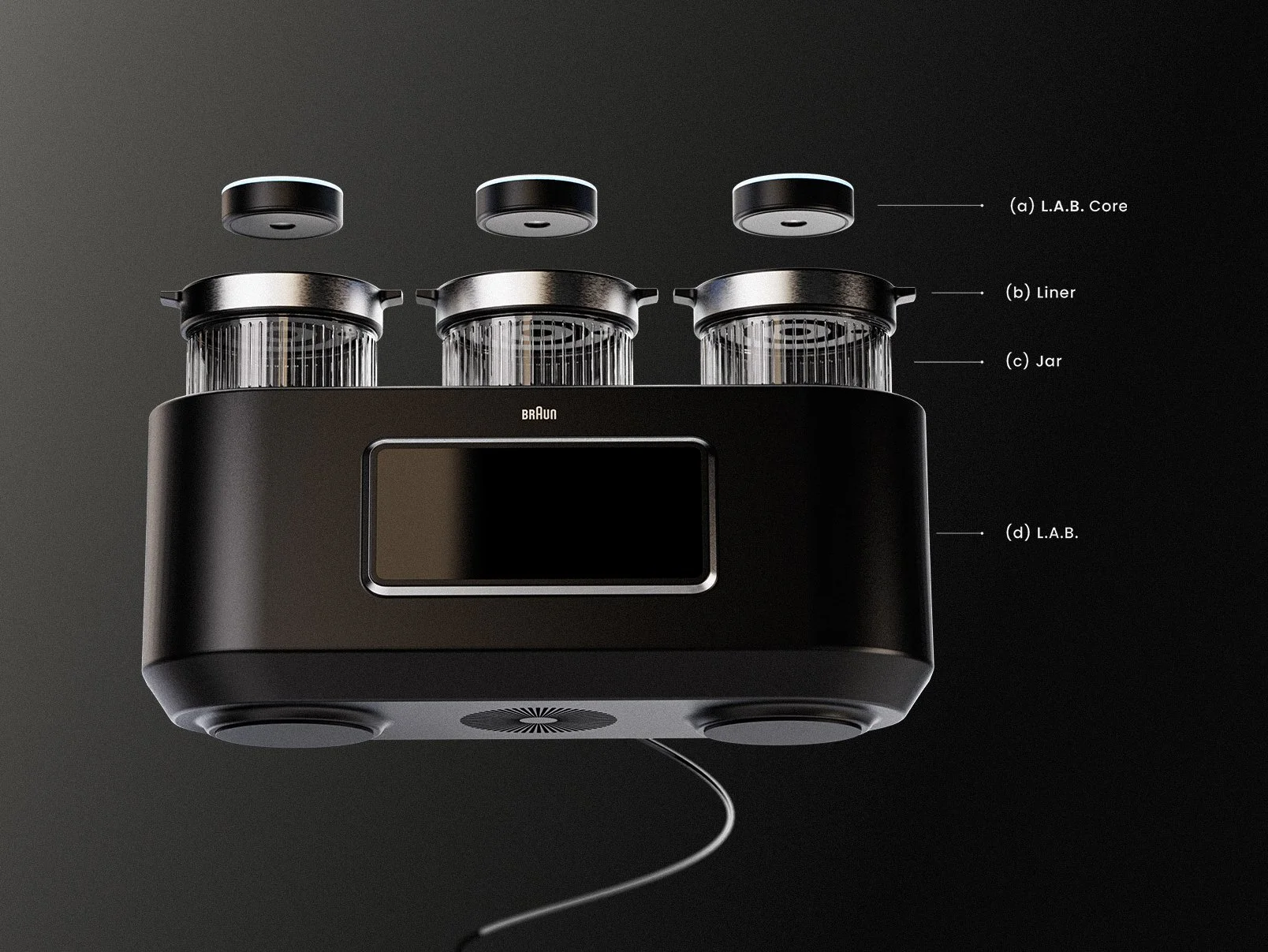
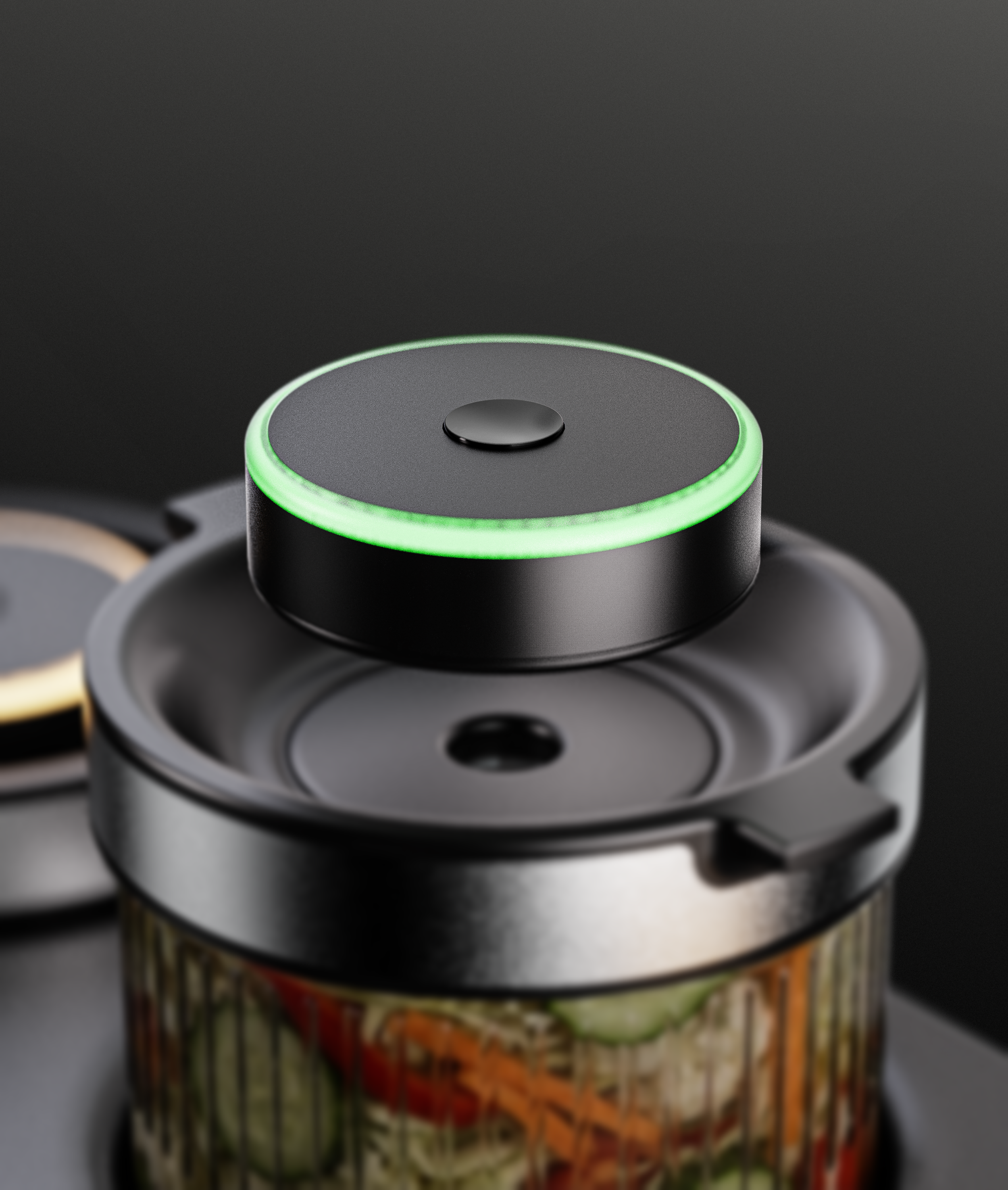
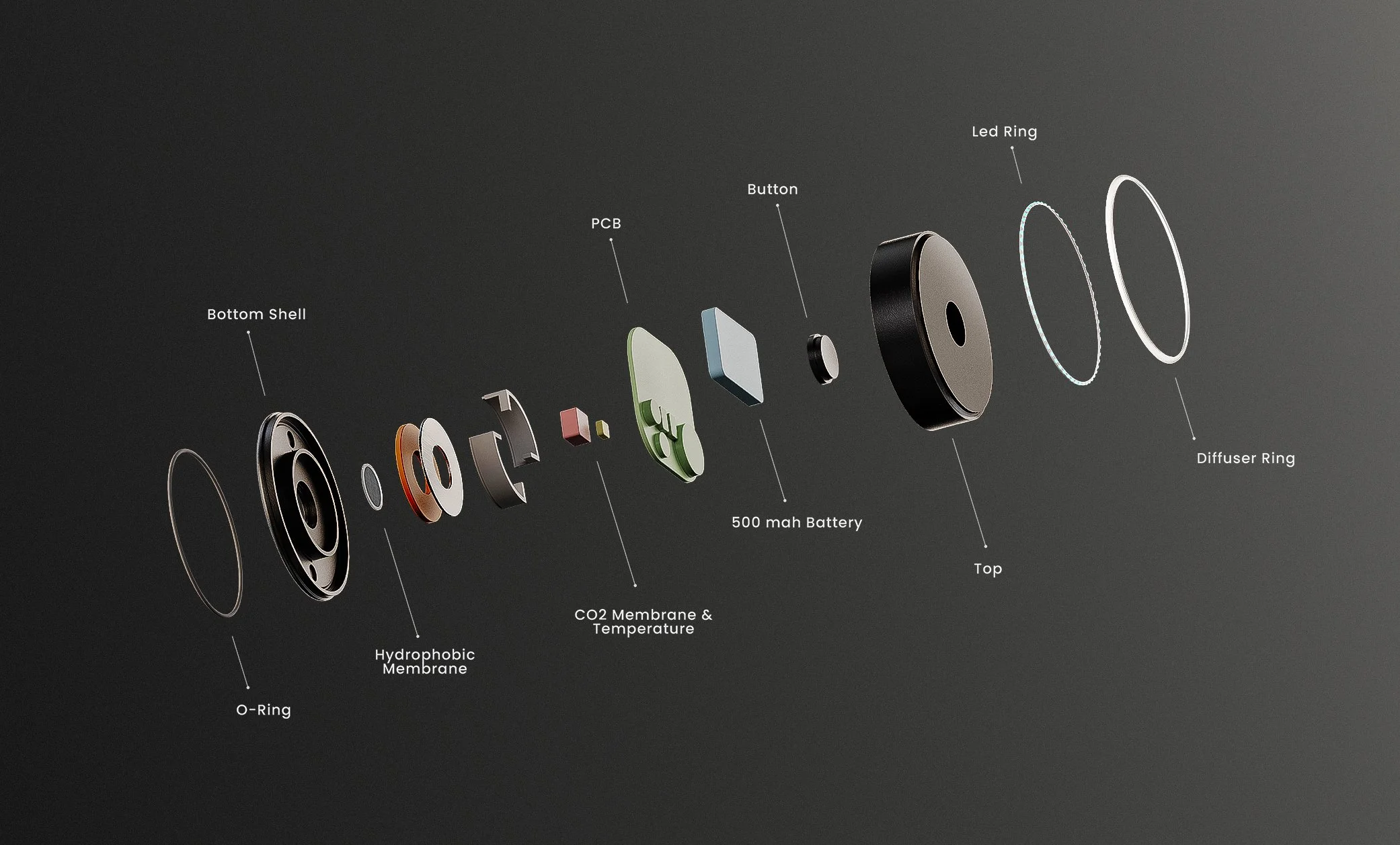
(a) L.A.B. Core
L.A.B. Core listens to the headspace above the brine: CO₂ and heat move through the membrane channel to its sensors, which turn that activity into a simple picture of the fermentation’s status.
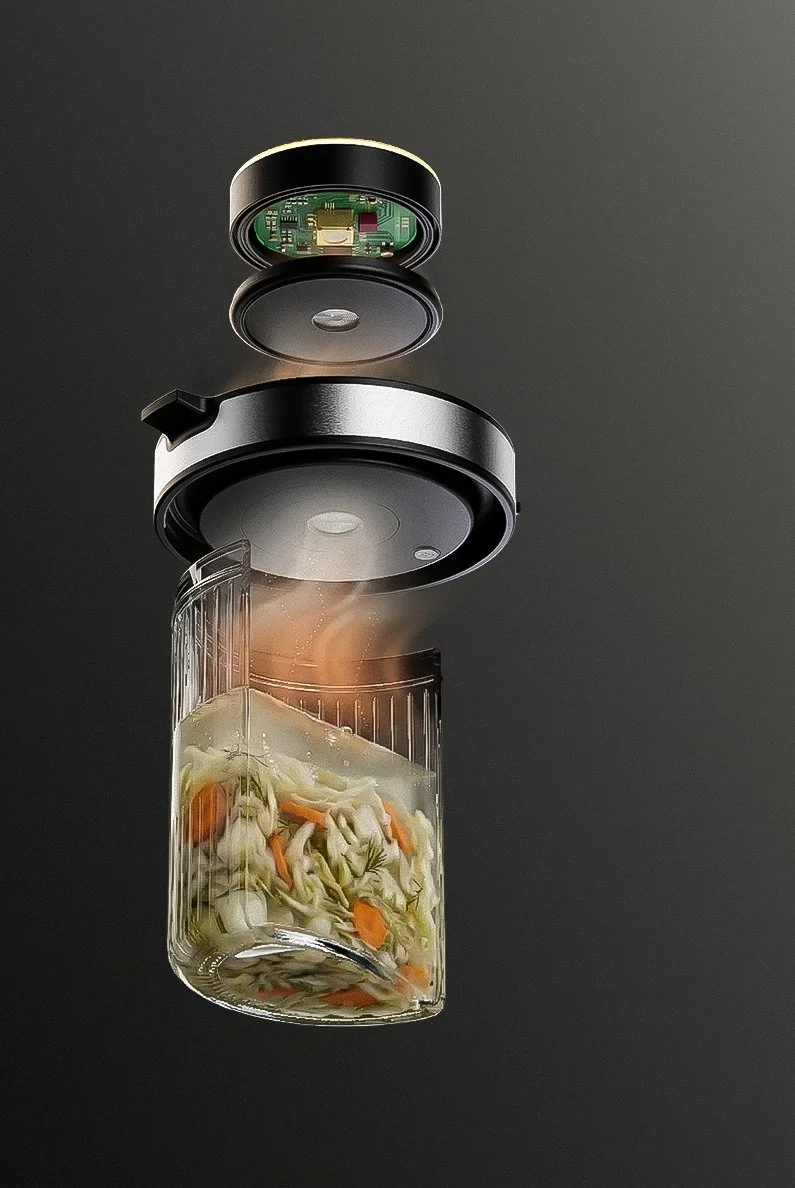
(b) Linar
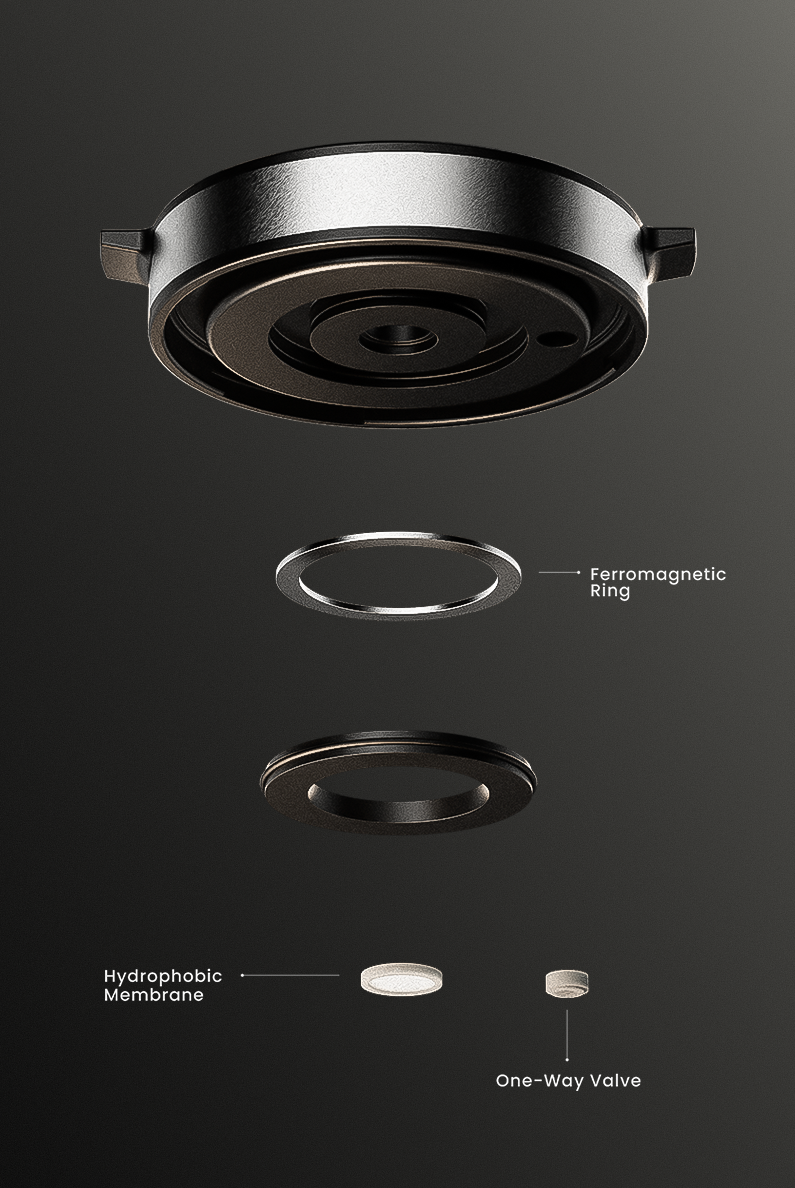
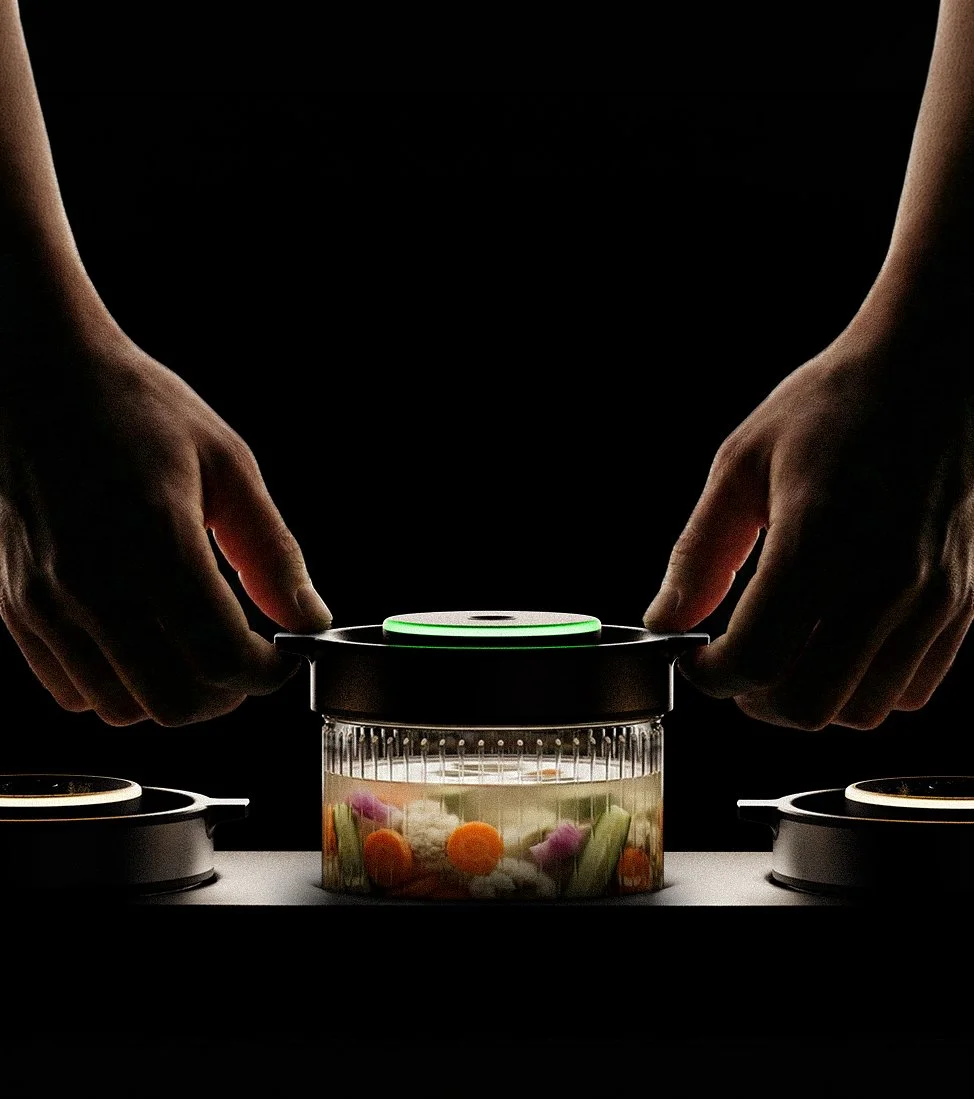
The liner is an inner layer that creates a controlled micro-environment inside the vessel, separating the fermenting contents from the outer structure and regulating airflow and headspace.
(c) Glass Jar
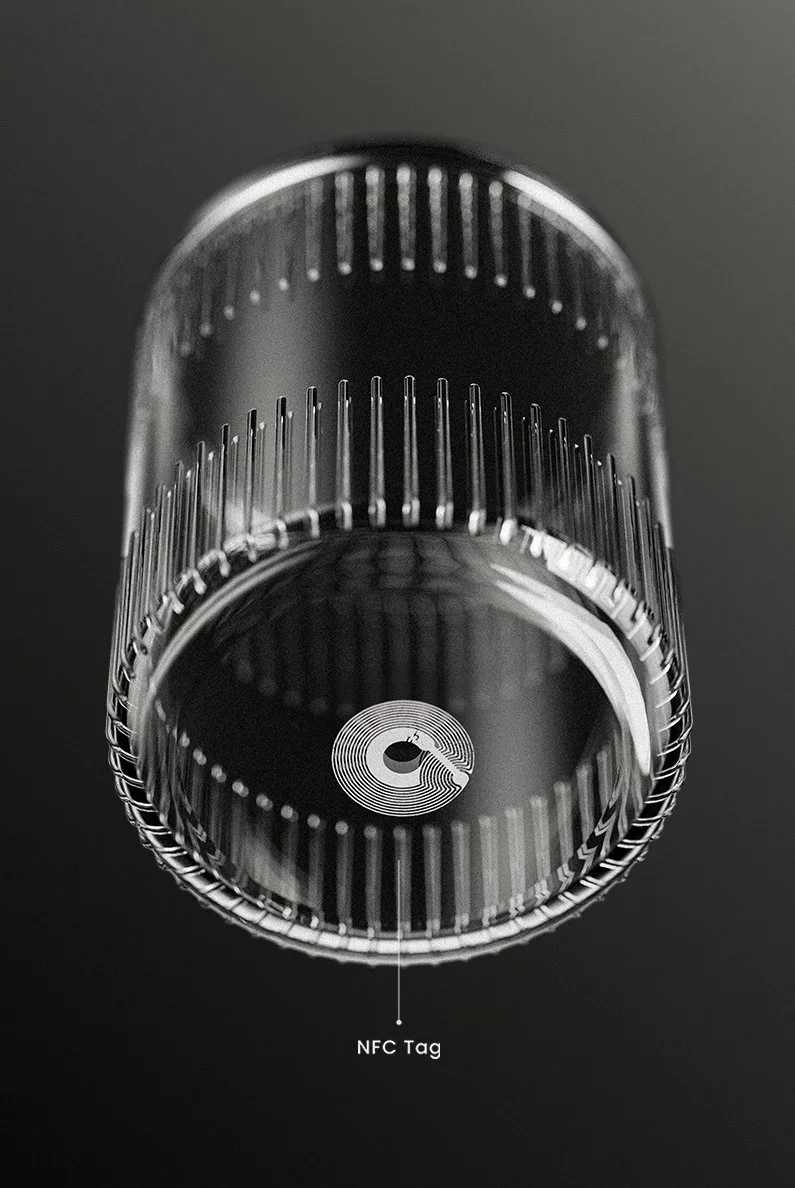
The jar’s walls lock into the hub for secure grip and easy removal, while a base NFC tag pairs it with the core at the start of fermentation.
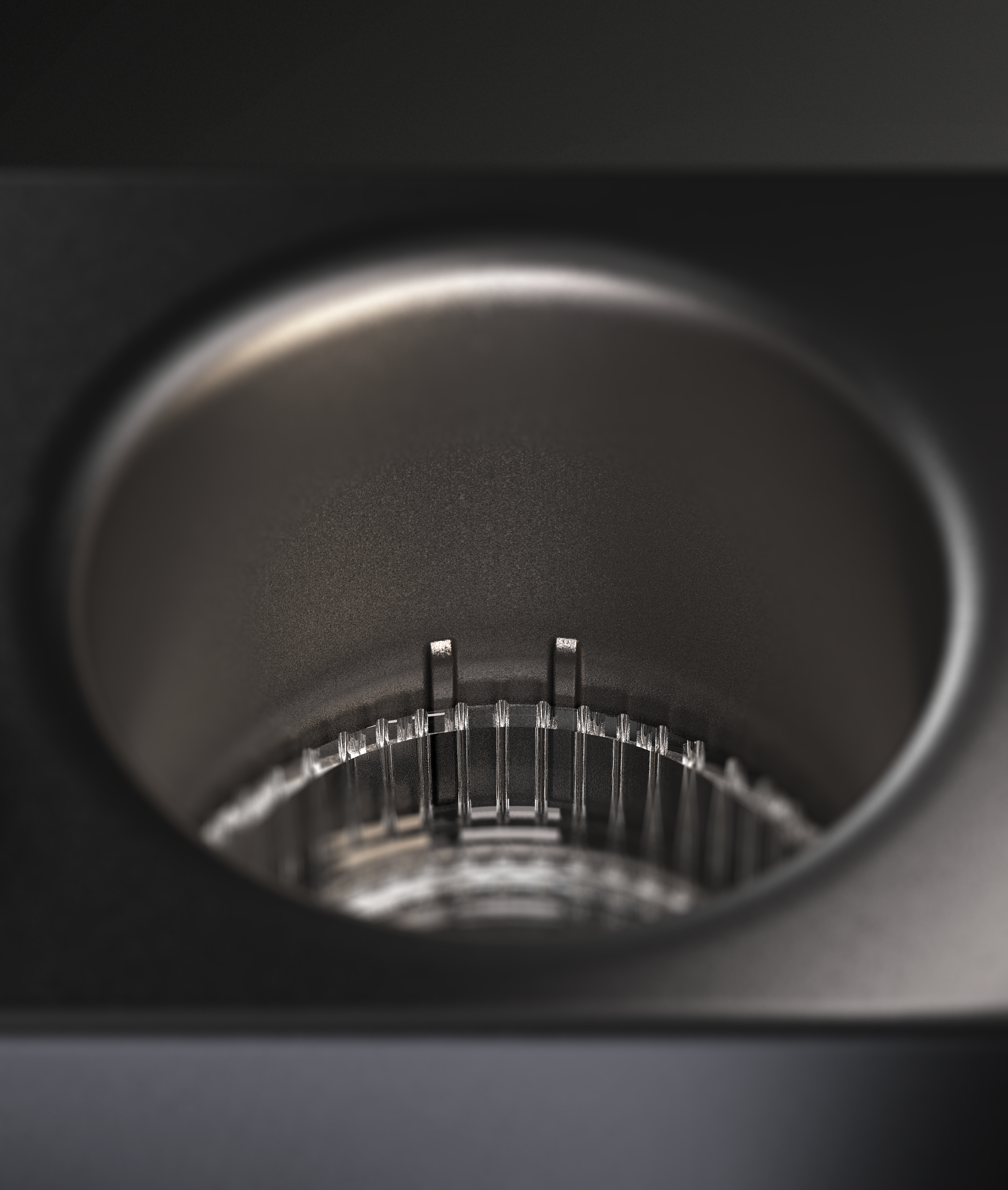
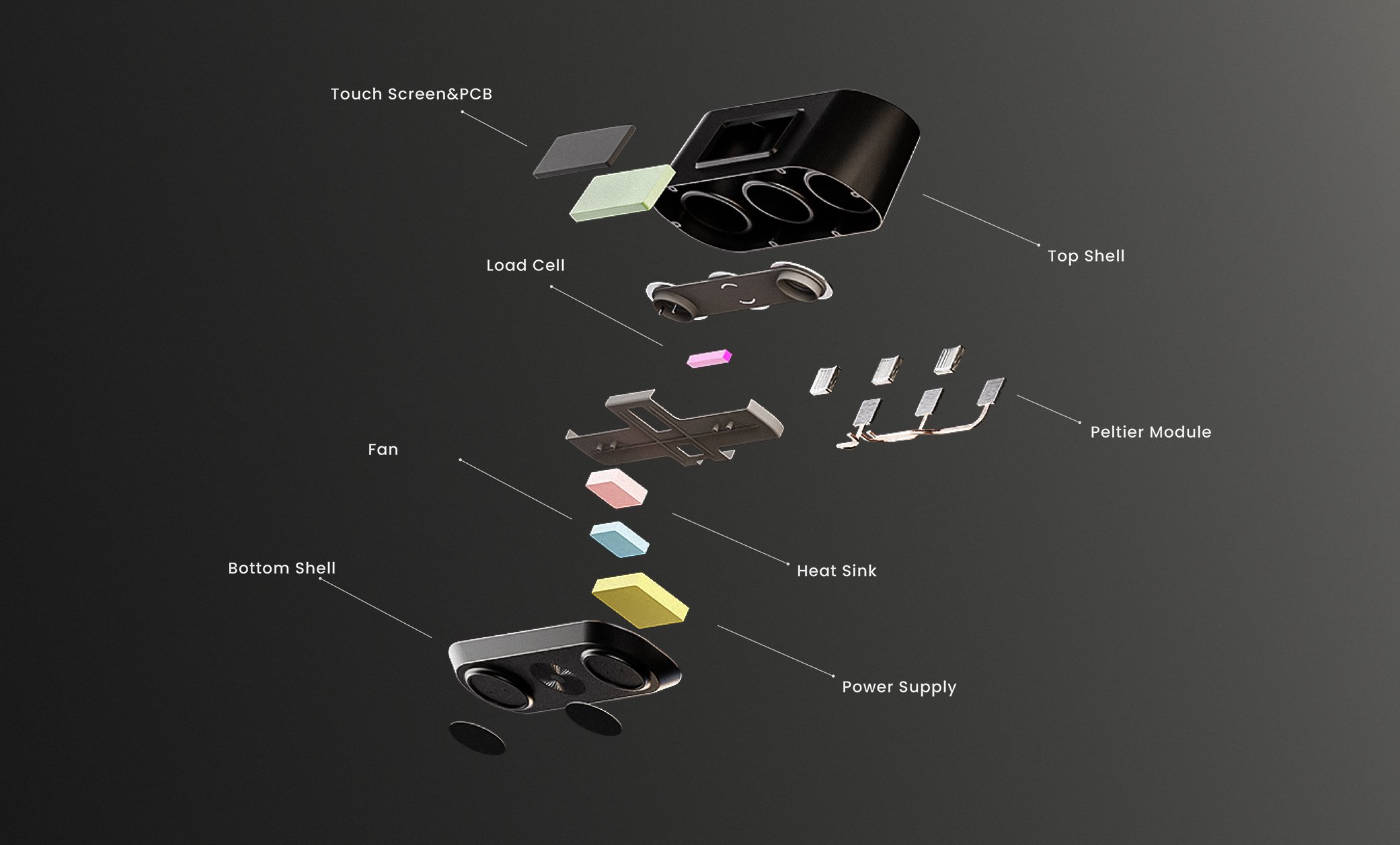
(d) L.A.B. Hub
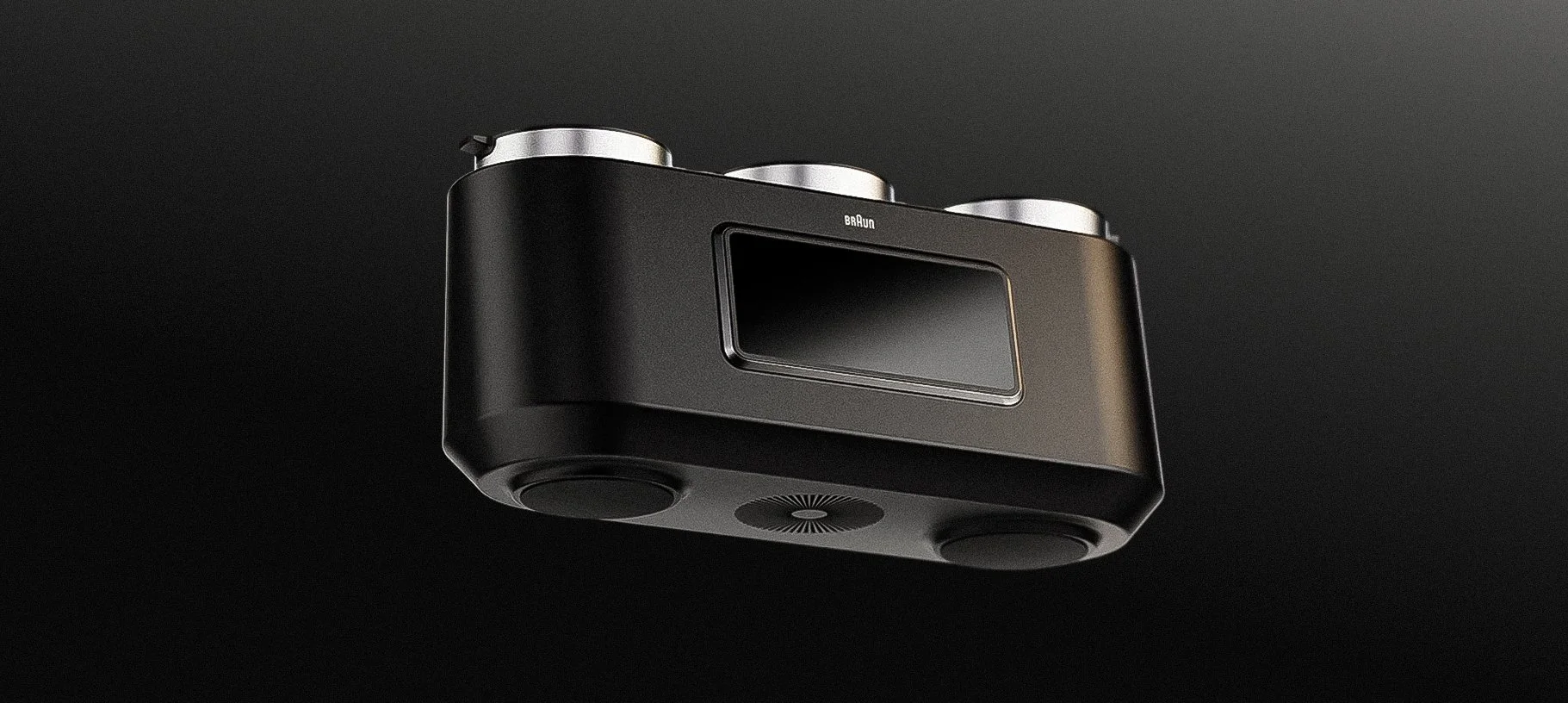
L.A.B. Hub synchronizes with the L.A.B. Core to regulate micro-level data while maintaining thermal stability for jars, streamlining the entire preparation and fermentation workflow.
User Interface - Starting the Process
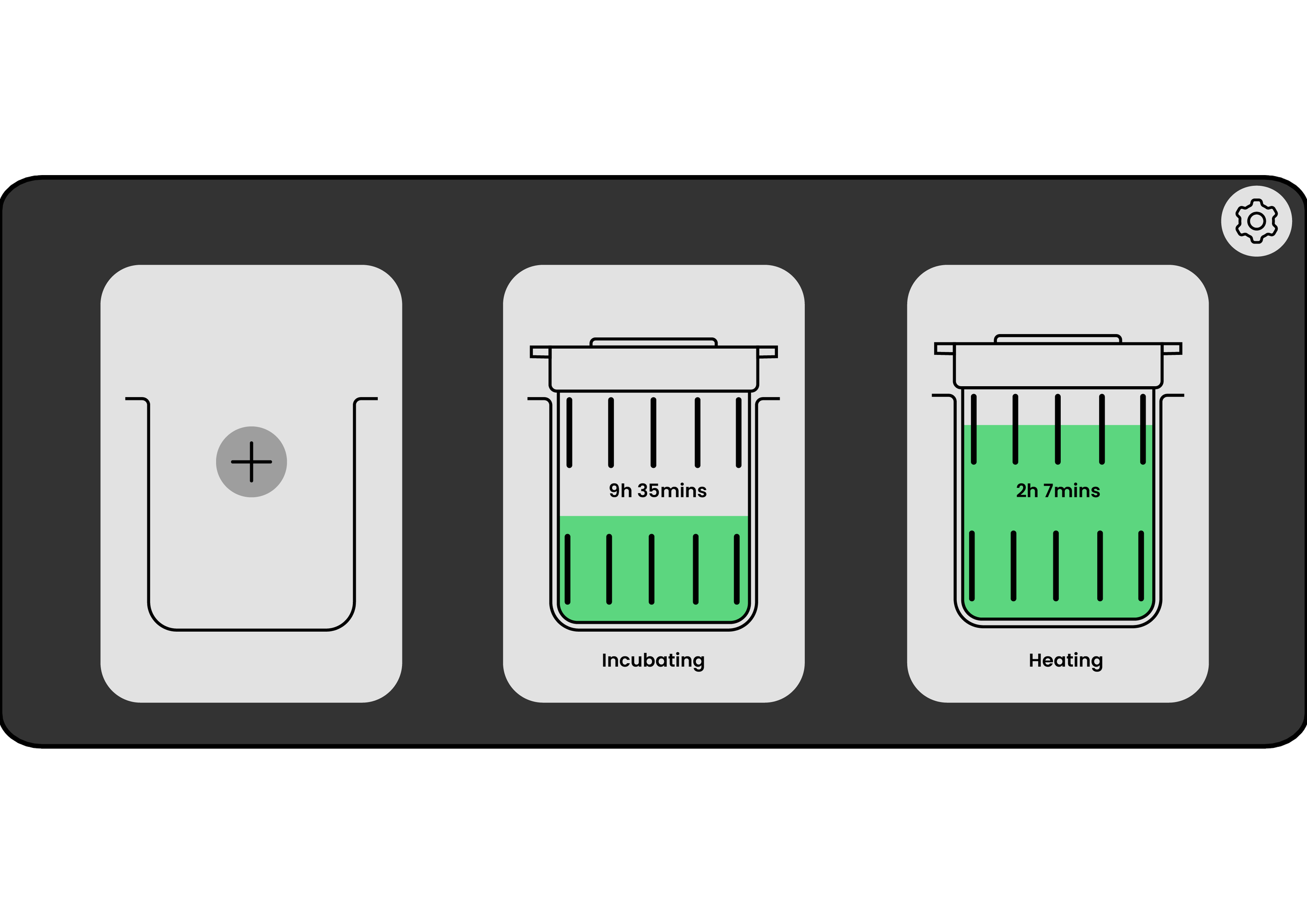
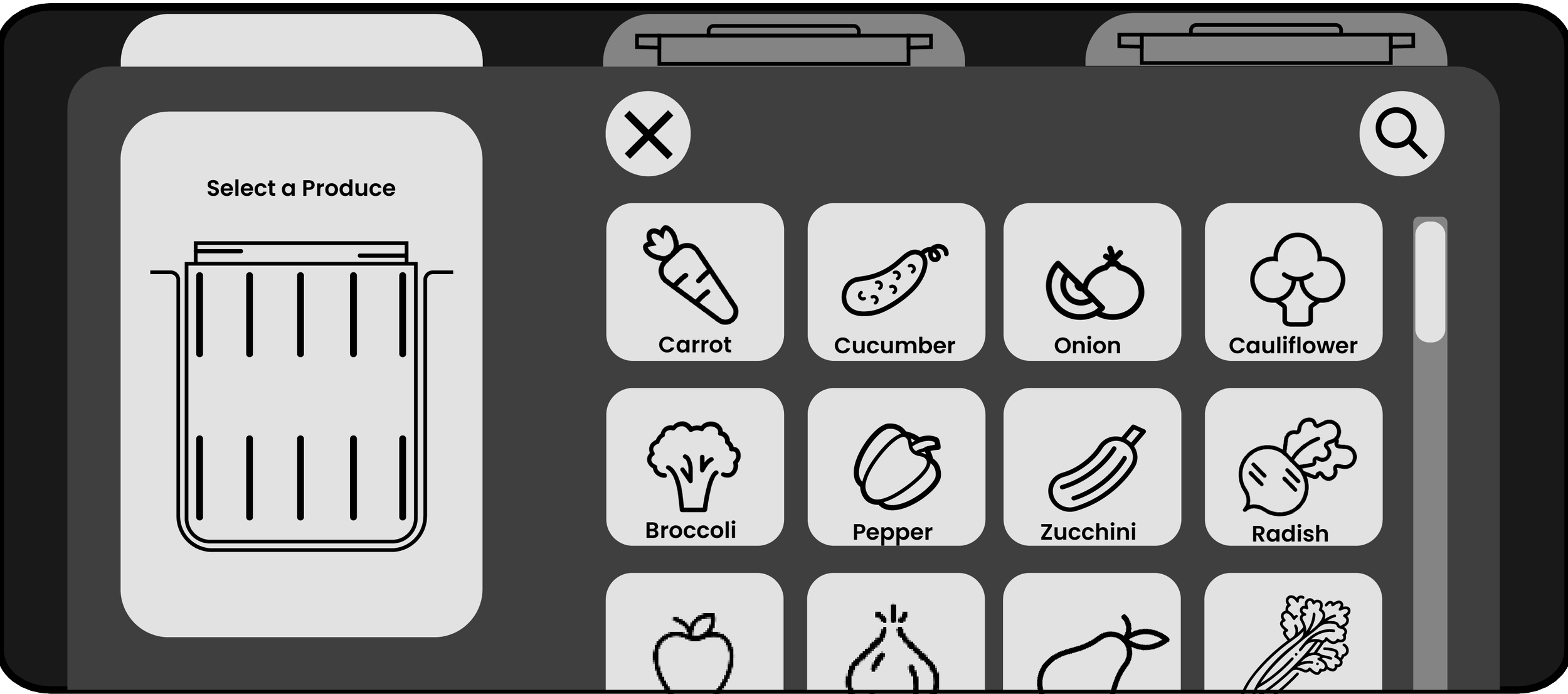
Step #1.
Starting a new ferment
Step #2.
Choosing a produce
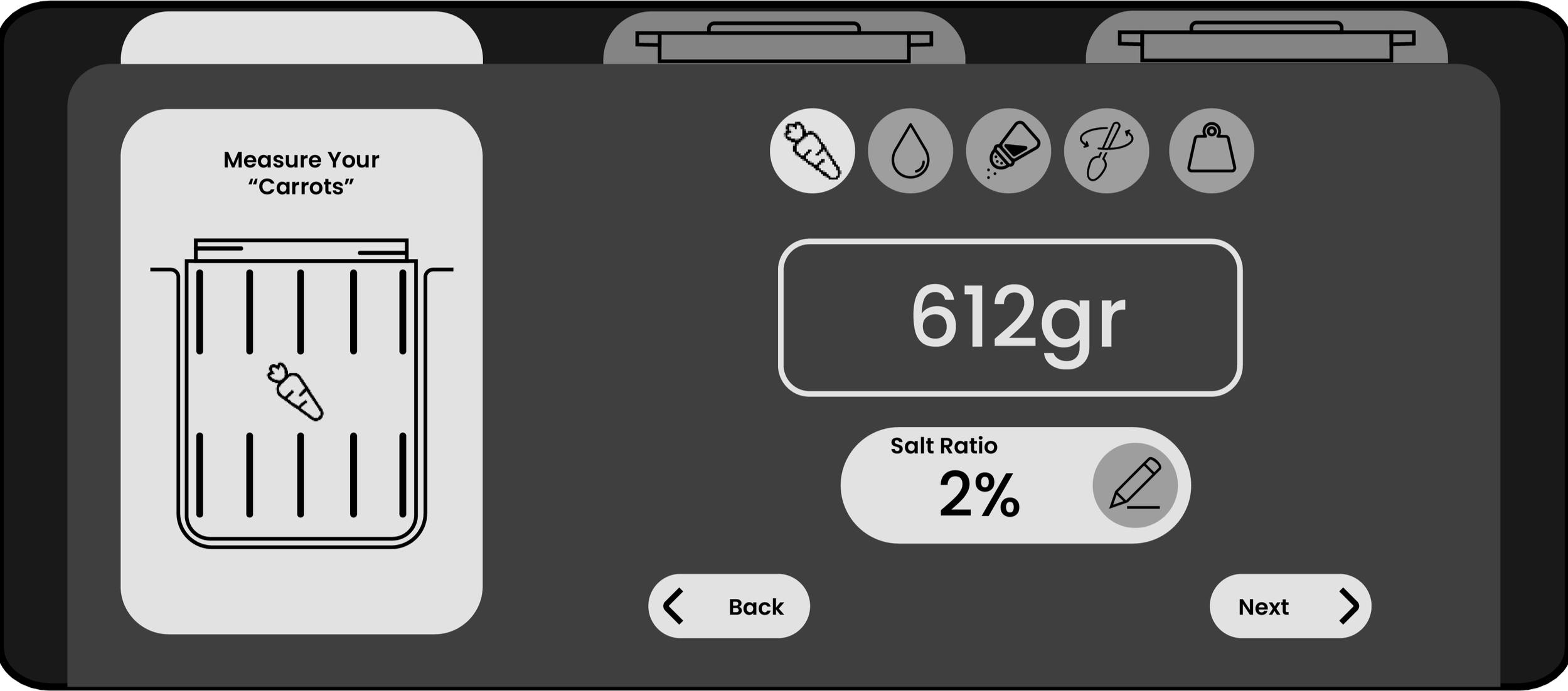
Step #3.
Weighing the produce
Step #4.
Adding water
Step #5.
Adding Salt
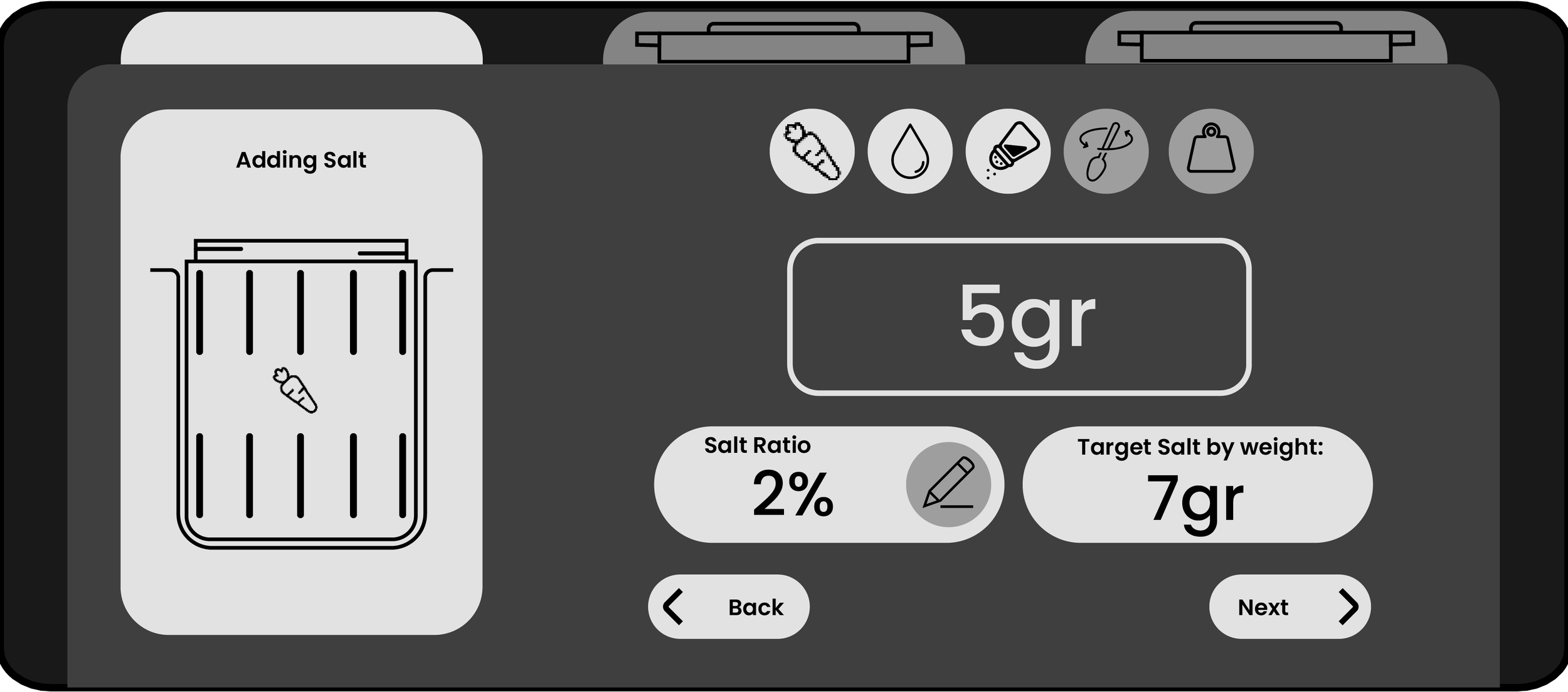
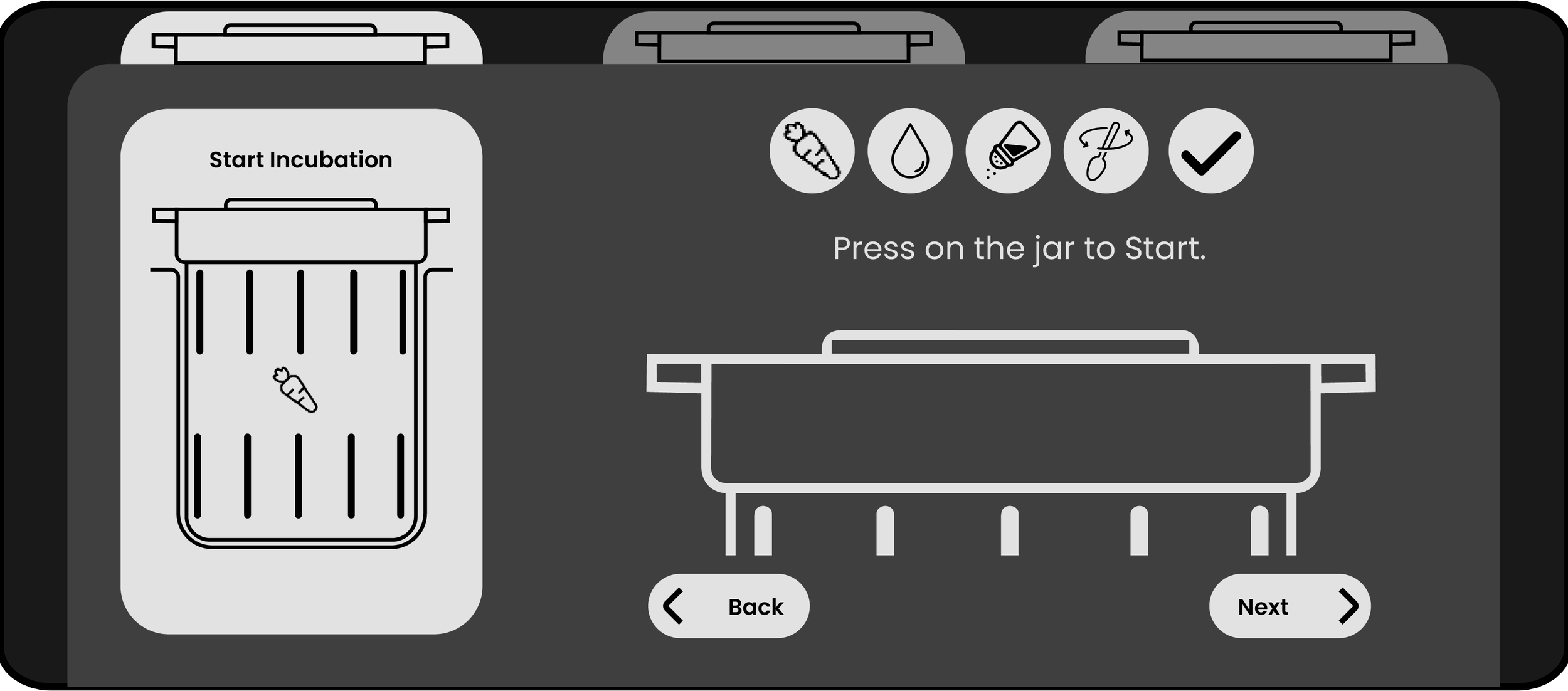
Step #6.
Place&press the core to start
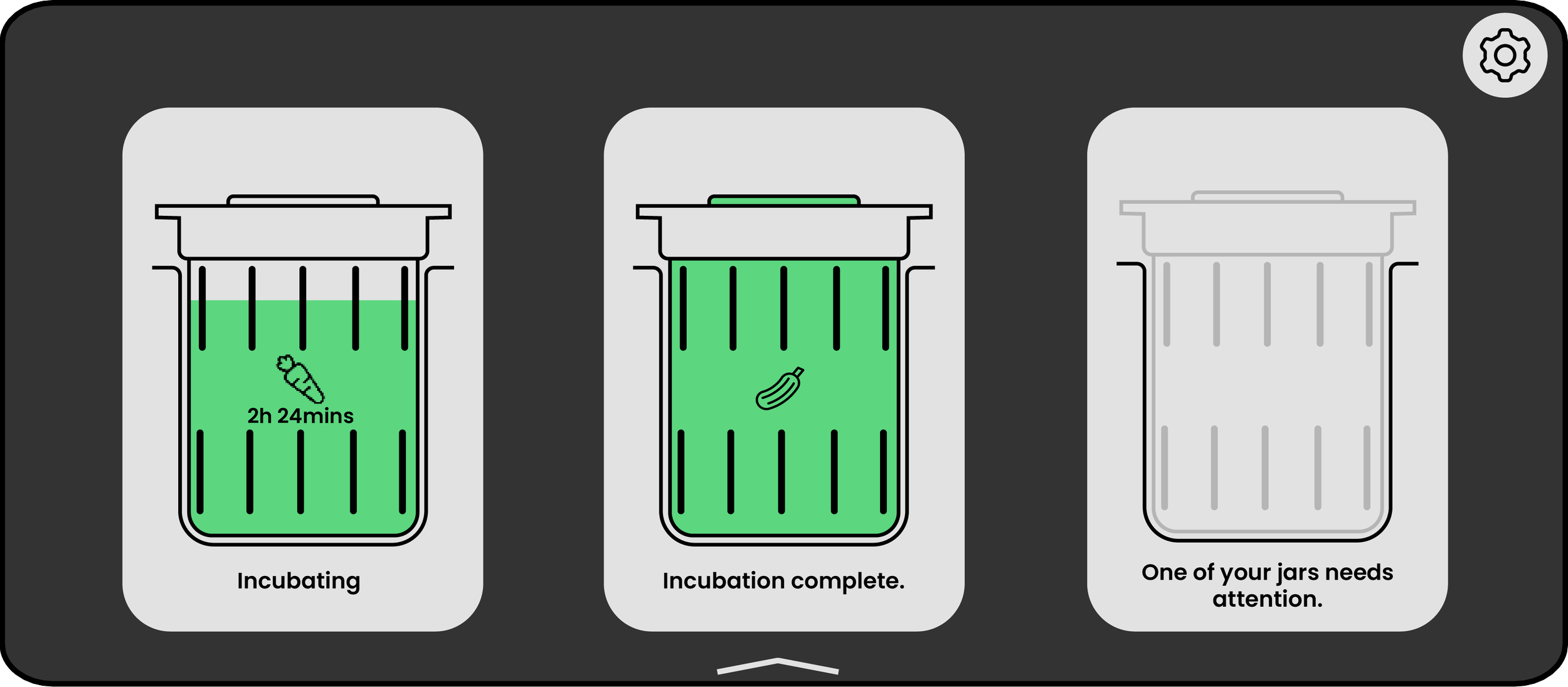
User Interface - Tracking The Process
Option #1.
Phase of the Fermentation Process
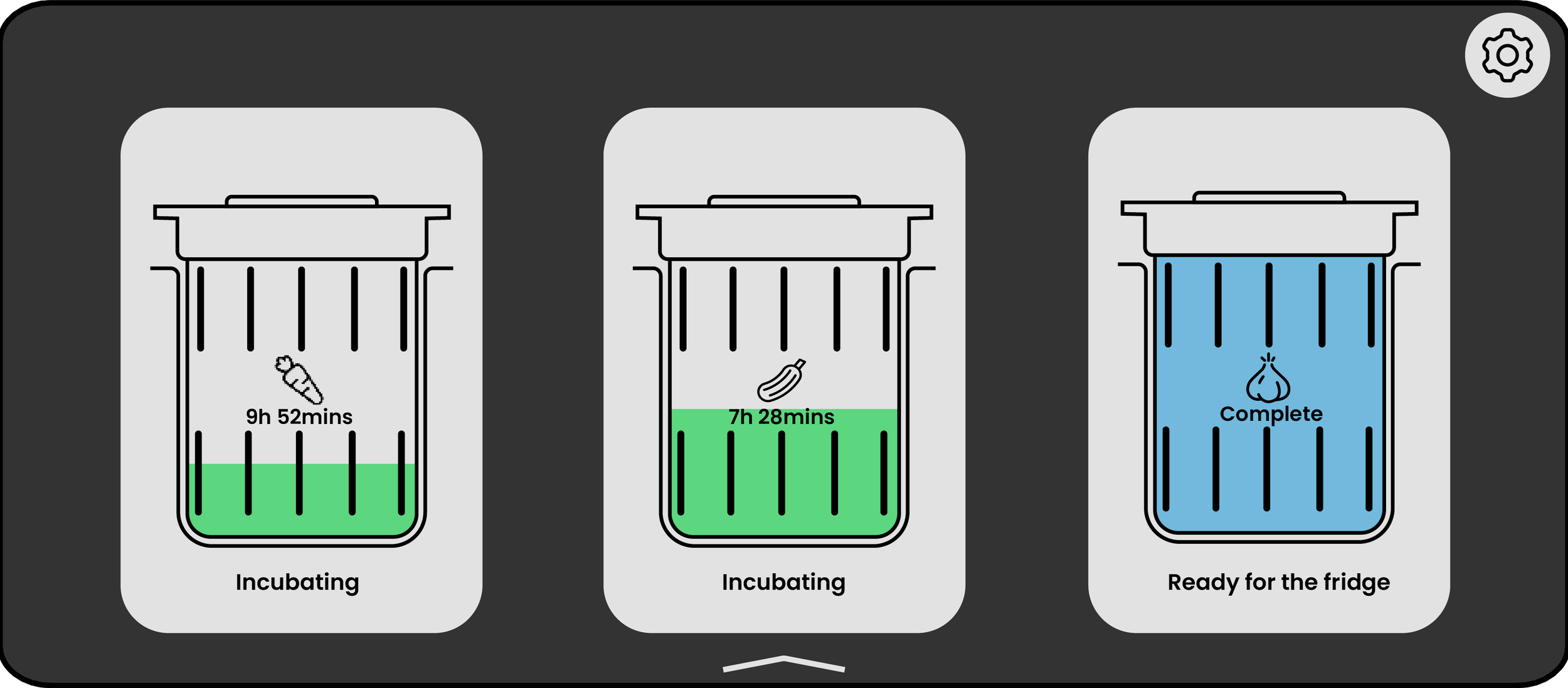
Option #2.
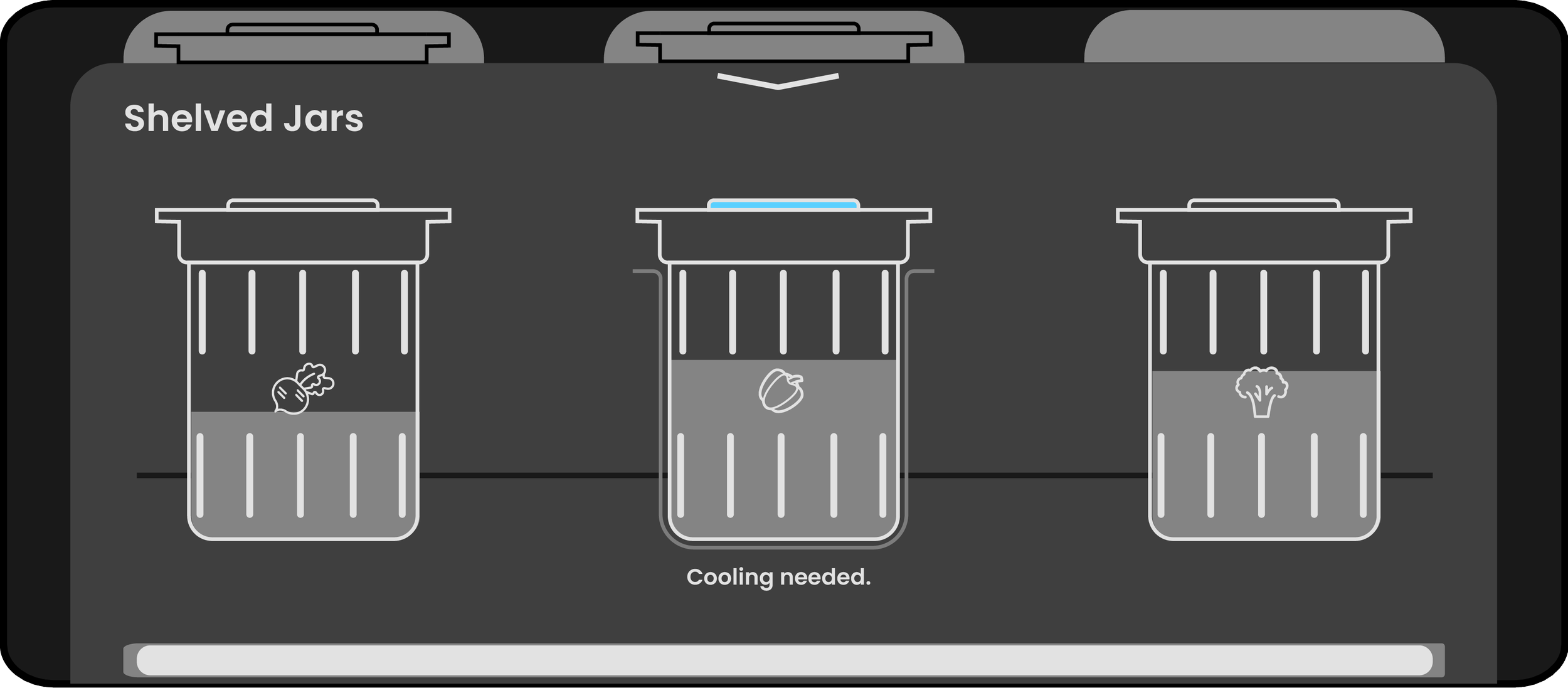
Letting the user know when to fridge
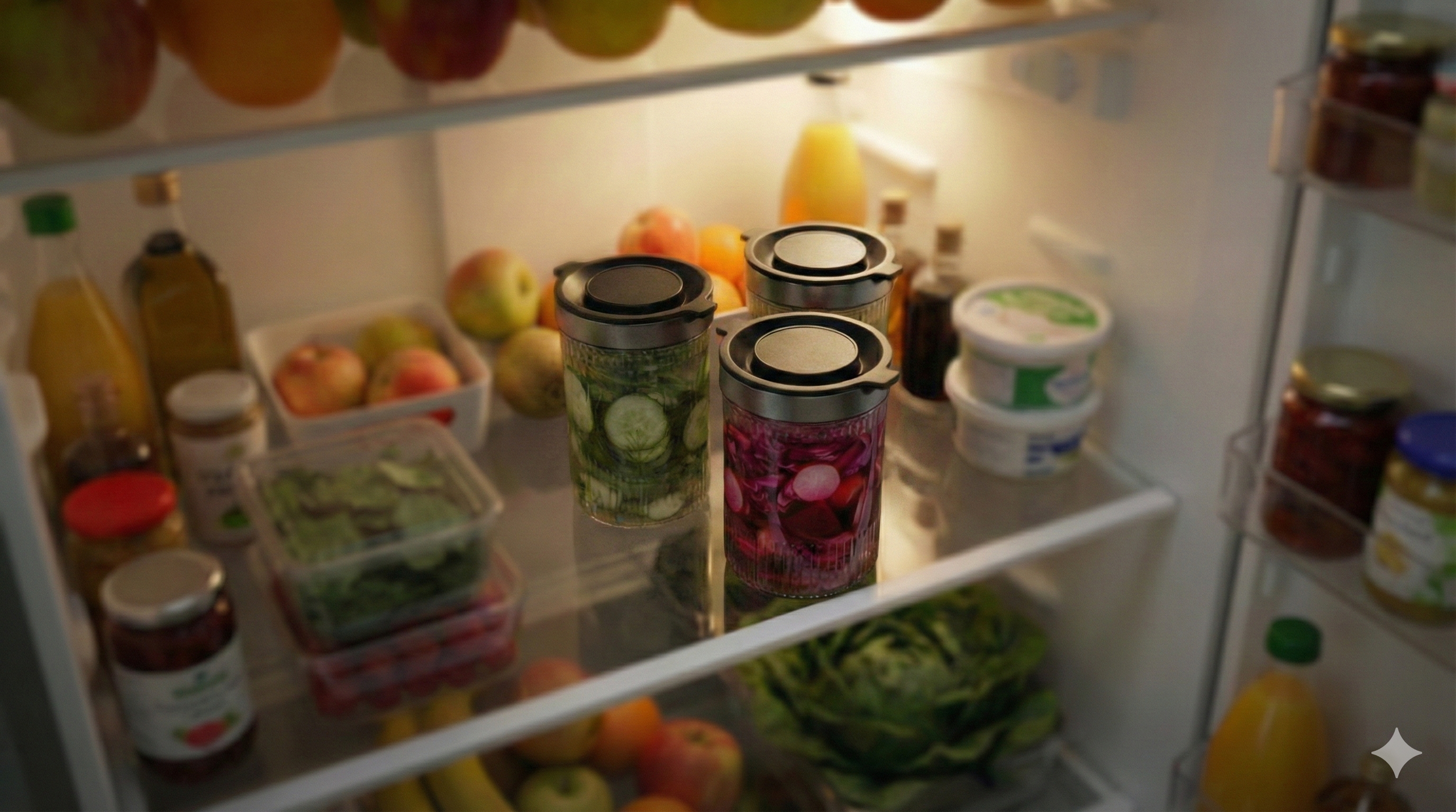
Option #3.
Fallowing the Process of the Jar Outside (If Any)