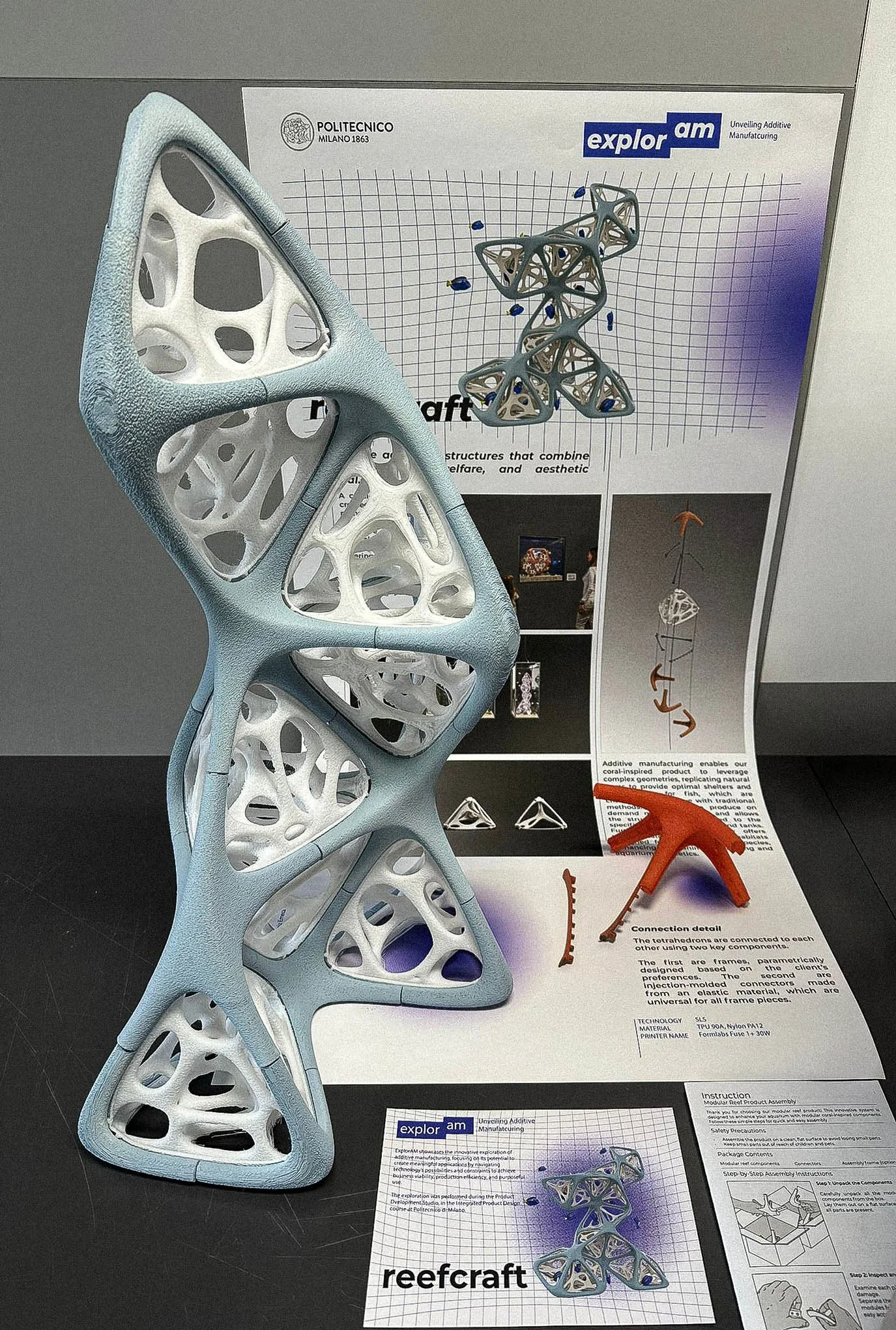
Reefcraft
re-framing what corals are
PROJECT DESCRIPTION
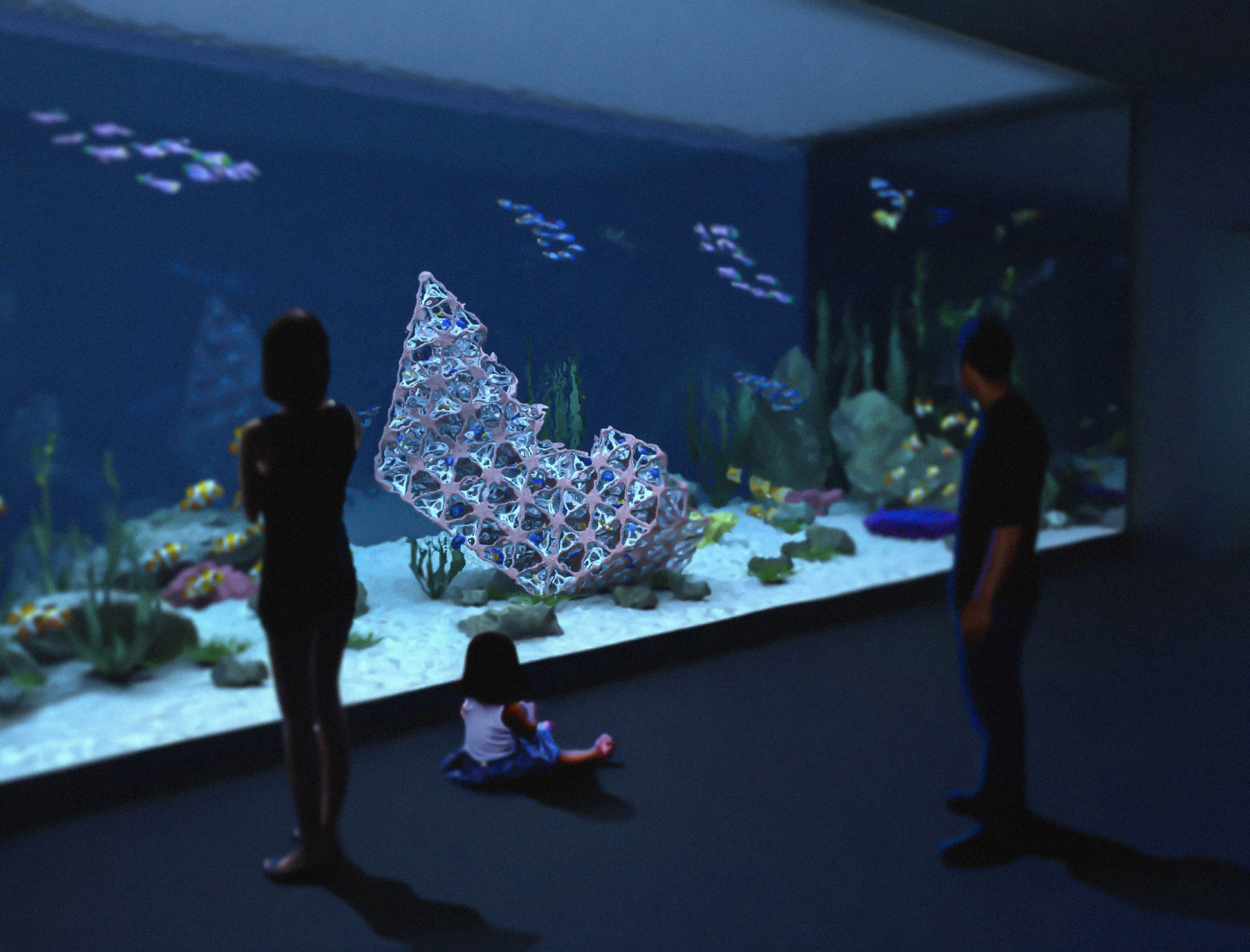
A coral-inspired product created using additive manufacturing, featuring a triangular modular structure that mimics the functions of natural corals without directly copying them, offering sustainability and flexibility through various connectors that enable amorphous and adaptable forms.
Group Project
2024
Emir Canatay
Devrim Deniz Emecan
Anna Meregalli
in collaboration with
The Problem
Where do aquariums get their corals from and whats wrong with it?
Oceans %75
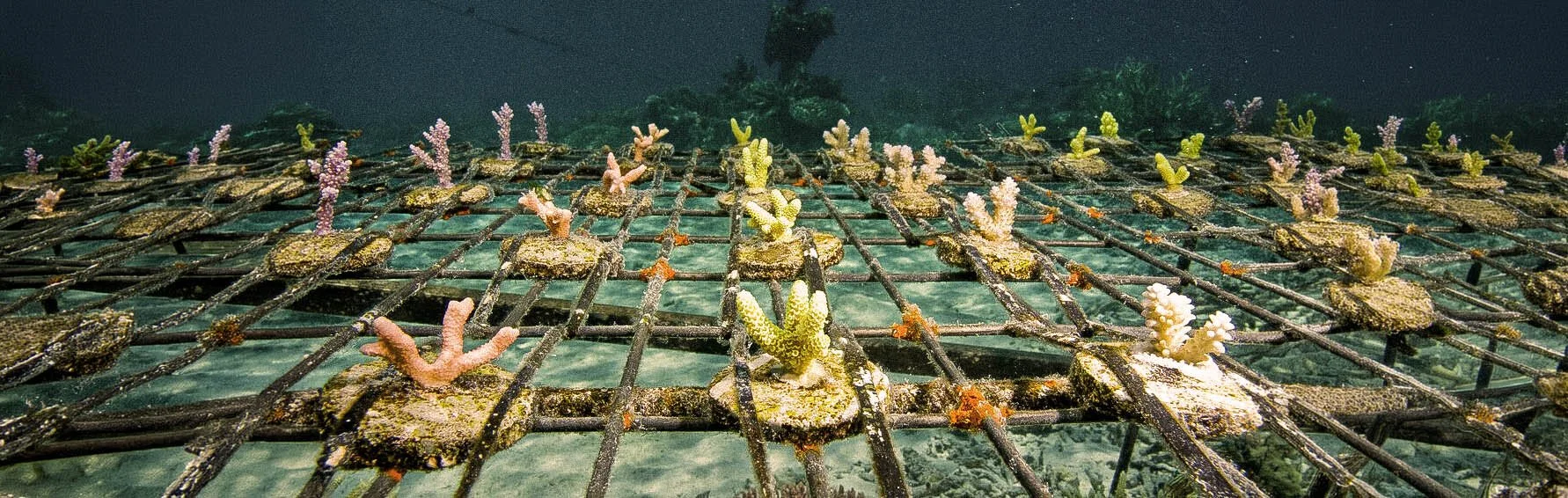
Challenges of sourcing corals from farms
-
Farm-grown corals may be adapted to different light intensity and spectrum than your aquarium. Sudden changes can cause stress, color loss, or slow growth, so gradual light acclimation is often needed.
-
Corals from farms are used to specific nutrient levels and water movement. If your tank has lower/higher nutrients or different flow, they may struggle to extend polyps, feed properly, or maintain healthy tissue.
-
Transport involves temperature swings, delays, and handling stress. These factors can lead to tissue damage, infection risk, or “shipping shock,” even when the coral looks fine on arrival.
-
Farming corals takes months to years, so availability can be limited and restocking is slow. After arrival, corals also need time to acclimate before showing their true color and growth.
Coral Farms %25
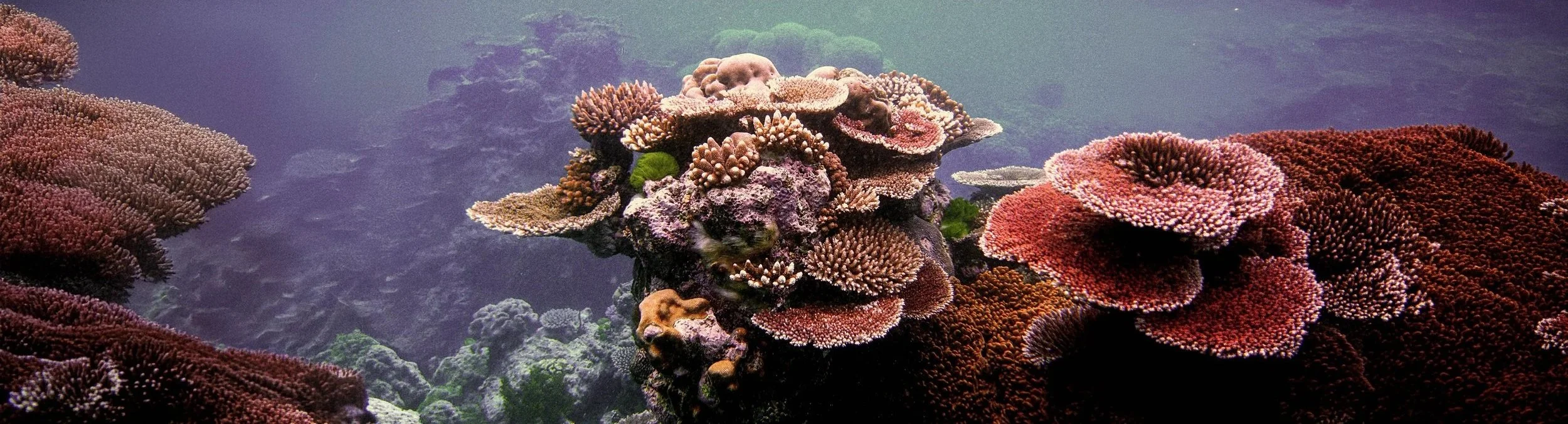
Challenges of sourcing corals from oceans
-
Wild coral collection can damage natural reef structures and disturb marine ecosystems.
-
High demand can lead to overharvesting, threatening the long-term health of coral reefs.
-
Collection and long transport can cause stress, higher mortality, and disease in corals.
The Role of Additive Manufacturing
Where do aquariums get their corals from and whats wrong with it?
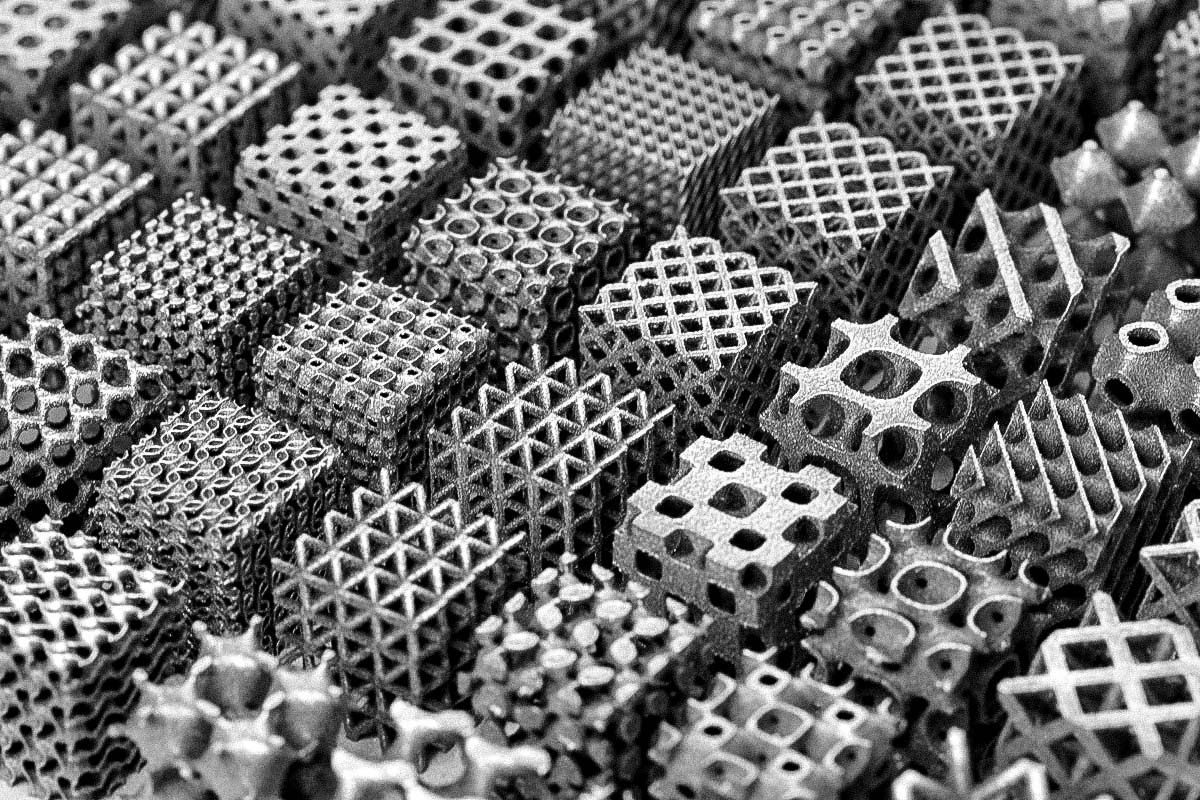
Complexity as a Competitive Advantage
Additive manufacturing enables the production of intricate, organic, and highly detailed complex geometries that are difficult or inefficient to achieve through traditional manufacturing methods.
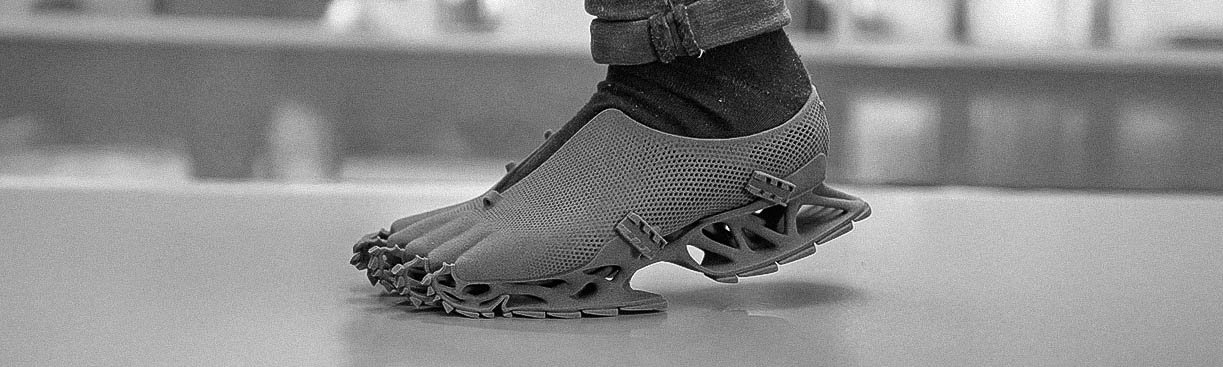
Customization for Niche Sectors
A.M. enables fast and efficient customization without requiring major tooling changes, making it especially suitable for low-volume production, user-specific adaptations, and niche market demands.
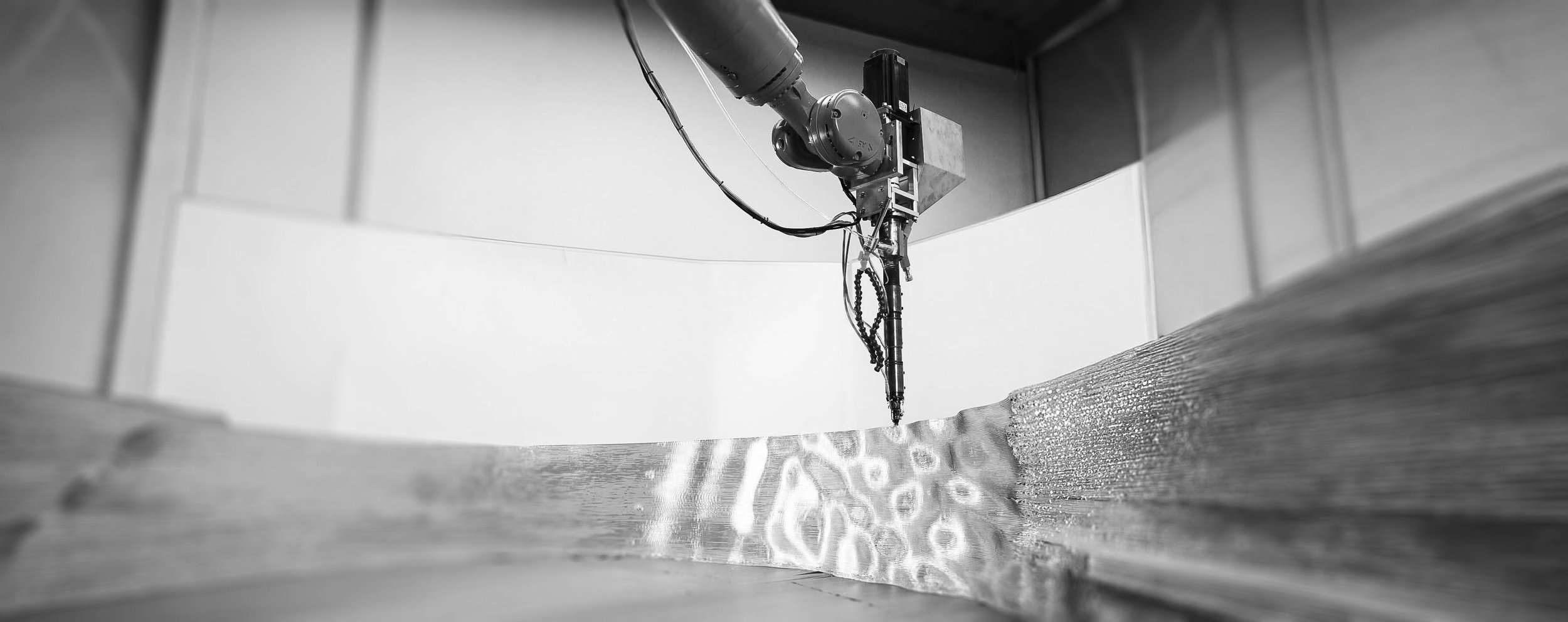
Sustainable Value Beyond Traditional Production
By enabling production through digitally transferable files rather than centralized tooling, additive manufacturing supports localized manufacturing, shorter supply chains, and a more flexible production model beyond the limits of traditional systems.
Concept Development Phase
Phase #1.
Choosing The Right geometry
concept development phase
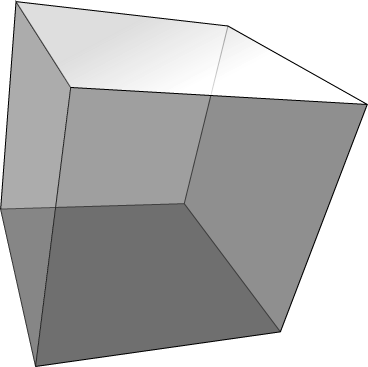
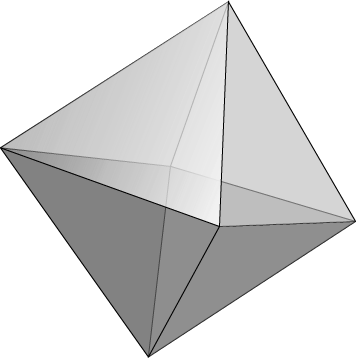
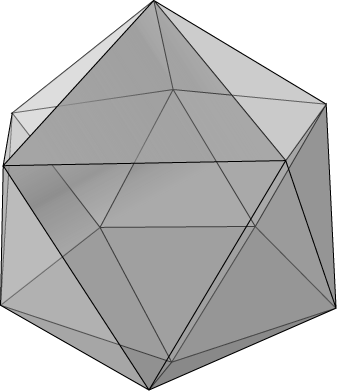
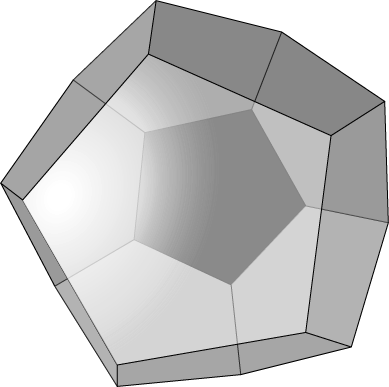
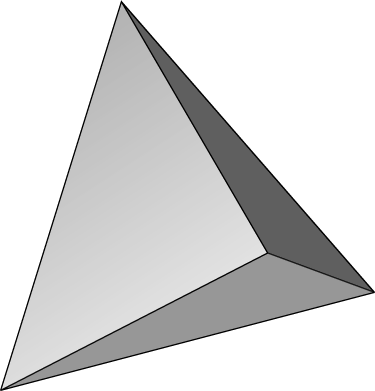
The tetrahedron was chosen for its flexible modular structure. When combined, it can generate various polyhedral configurations and even evolve into more organic, amorphous forms.
Phase #2.
Understanding How Tetrahedrons Interact
concept development phase
Exploring the potential of tetrahedrons, I was able to generate a wide range of form possibilities through face-to-face connections, edge-to-edge connections, and the combination of both connection types.
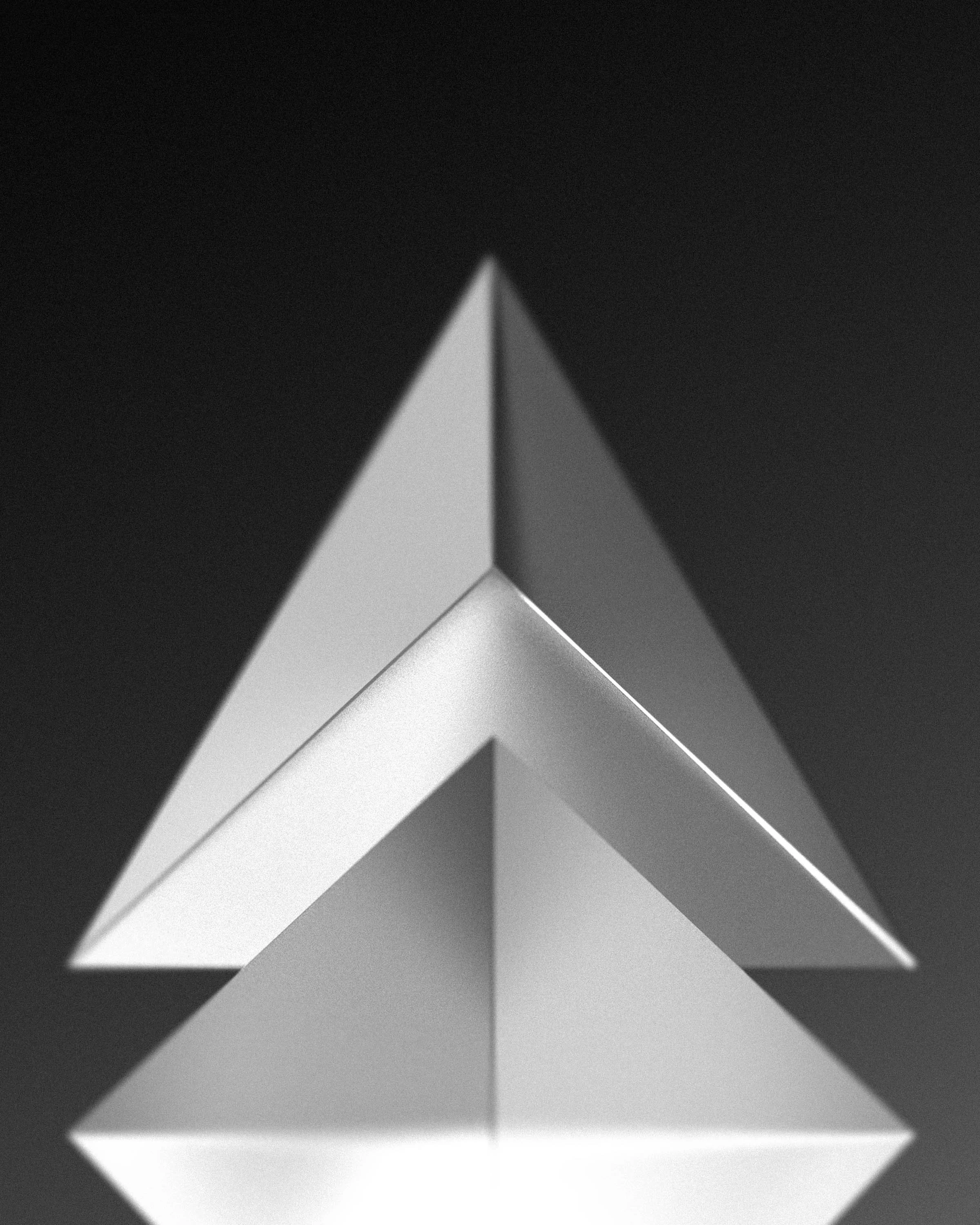
Face to Face Connections
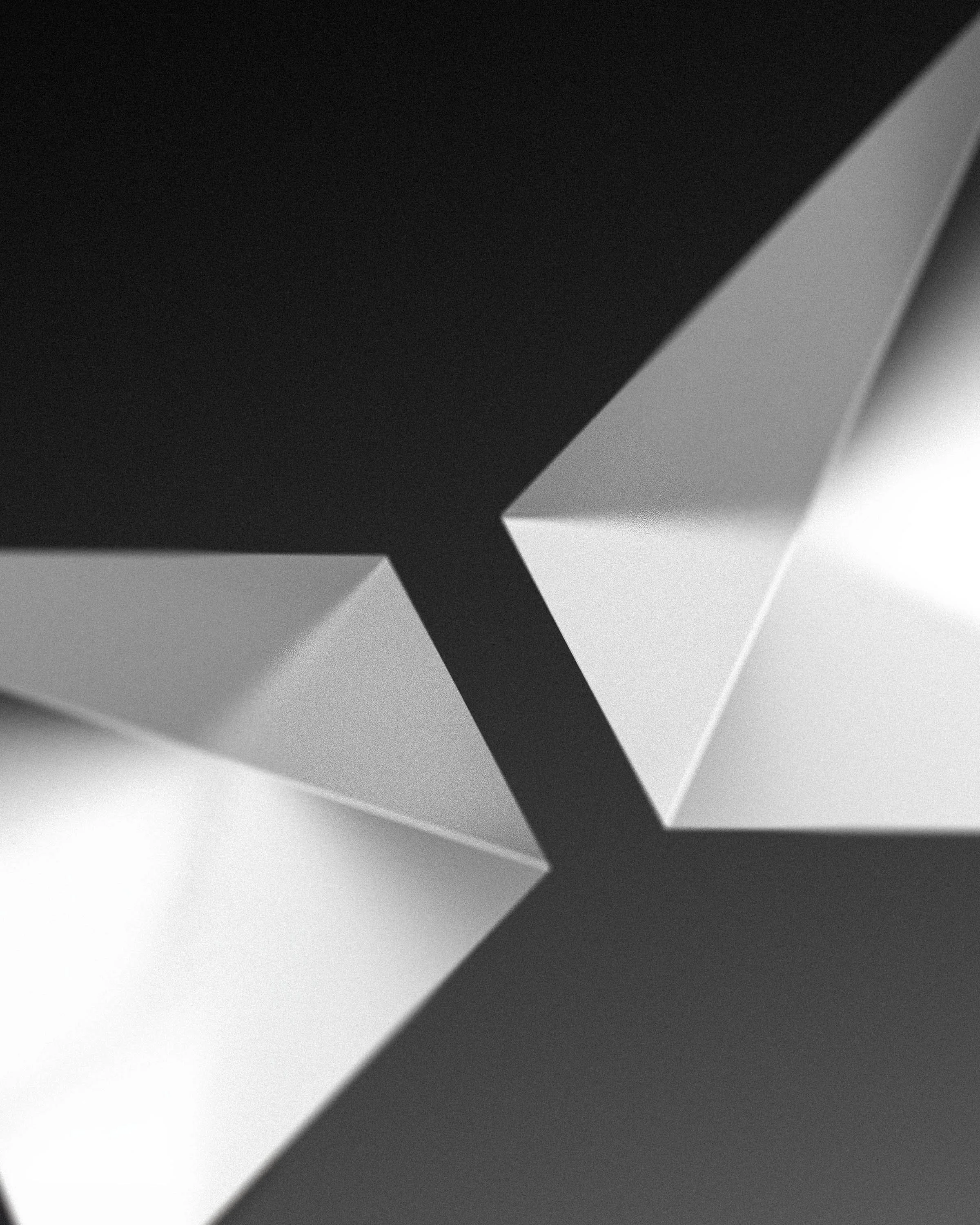
Edge to Edge Connections
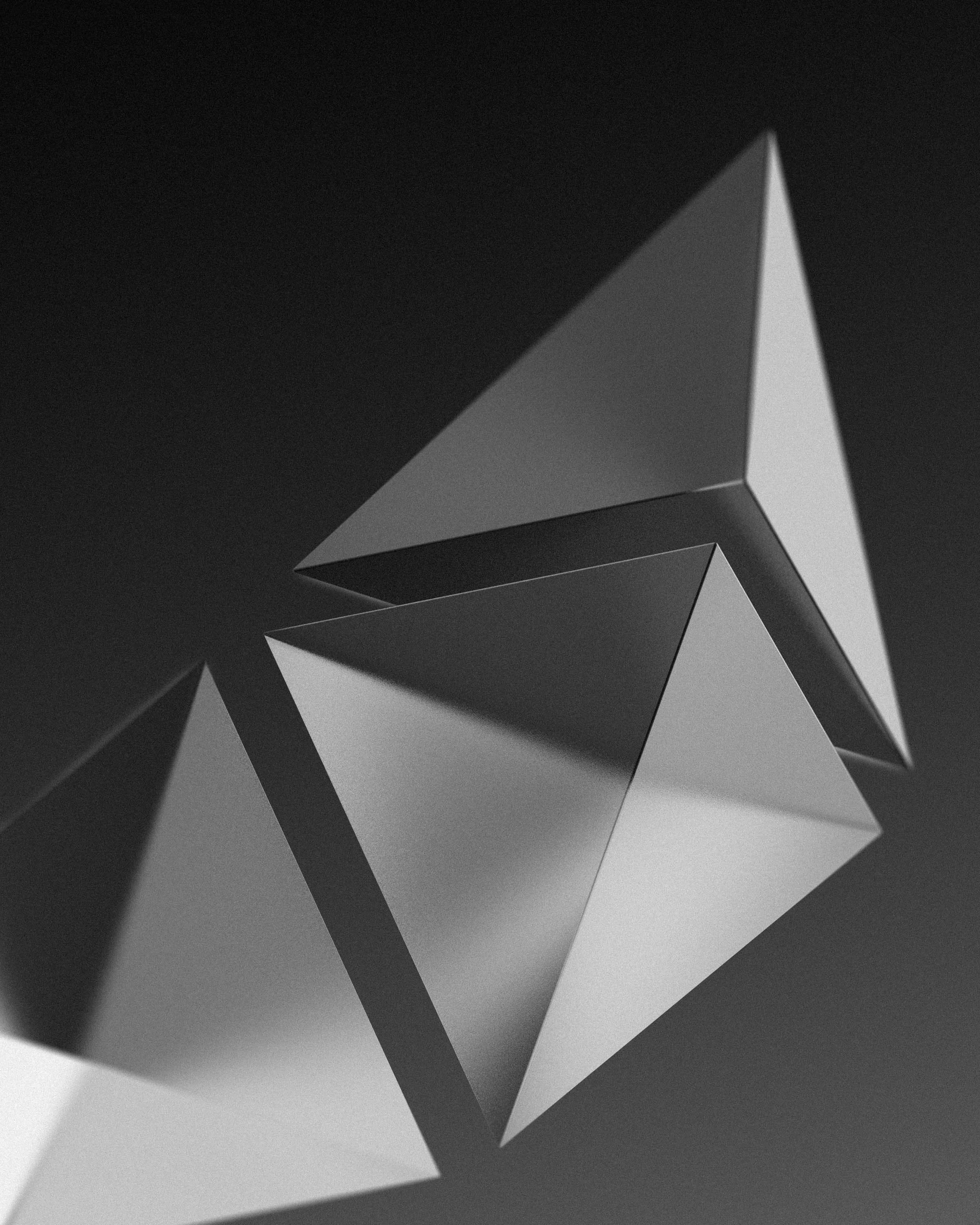
Both Connections Combined
Phase #3.
Seperation of the Tetrahedron
concept development phase
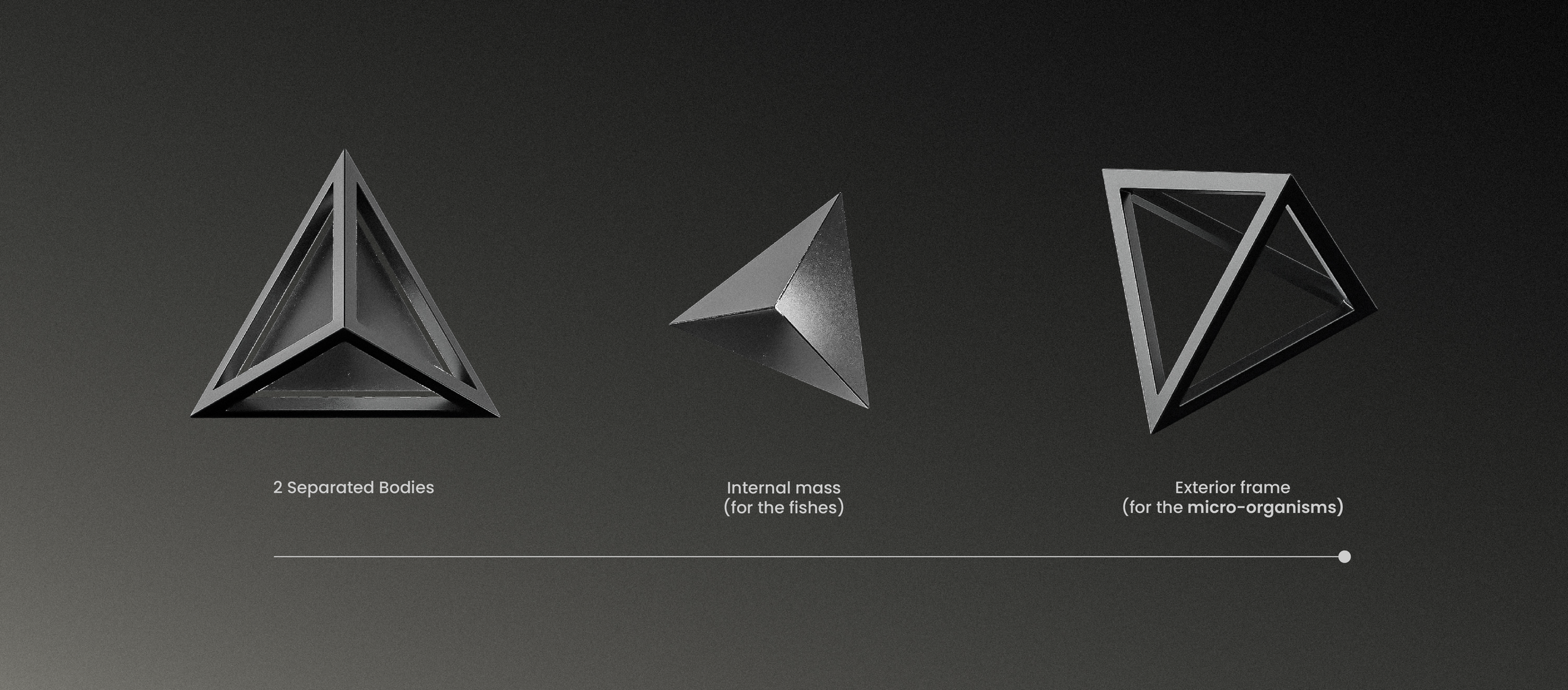
By splitting the mass into two, I created separate habitats for fish and micro-organisms. The inner mass serves the fish, while the outer frame enables modularity and provides a living surface for micro-organisms.
Product Development Phase
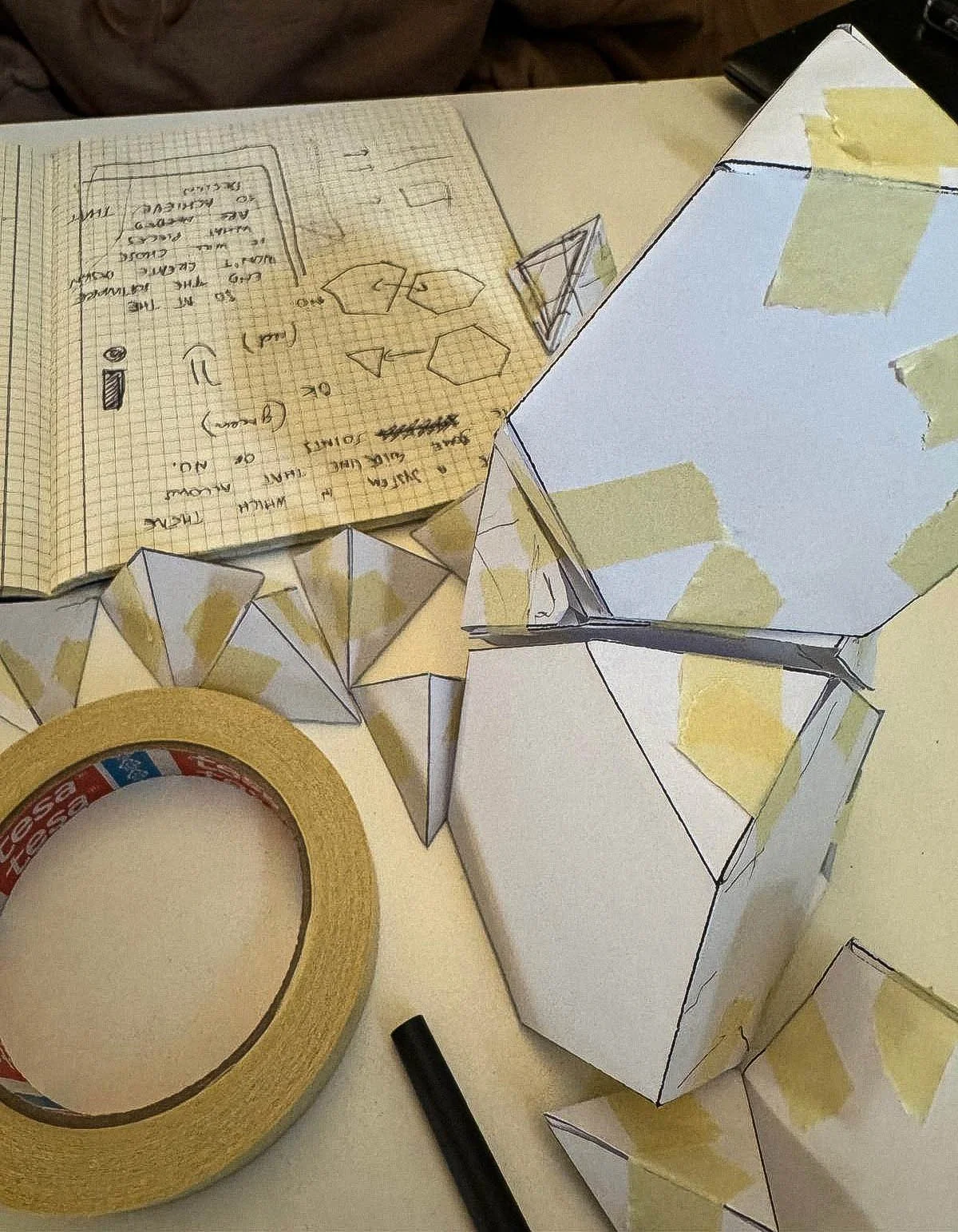
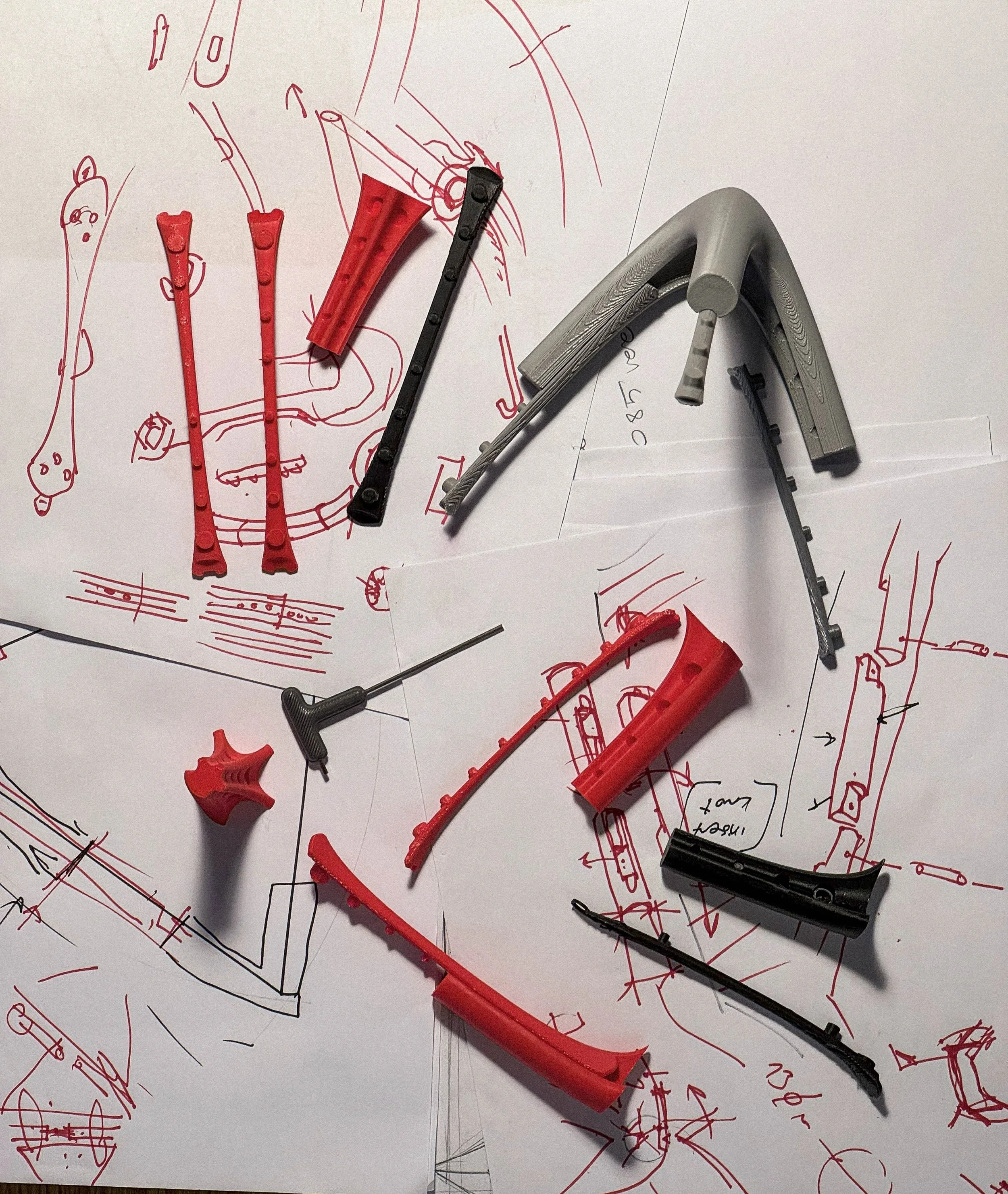
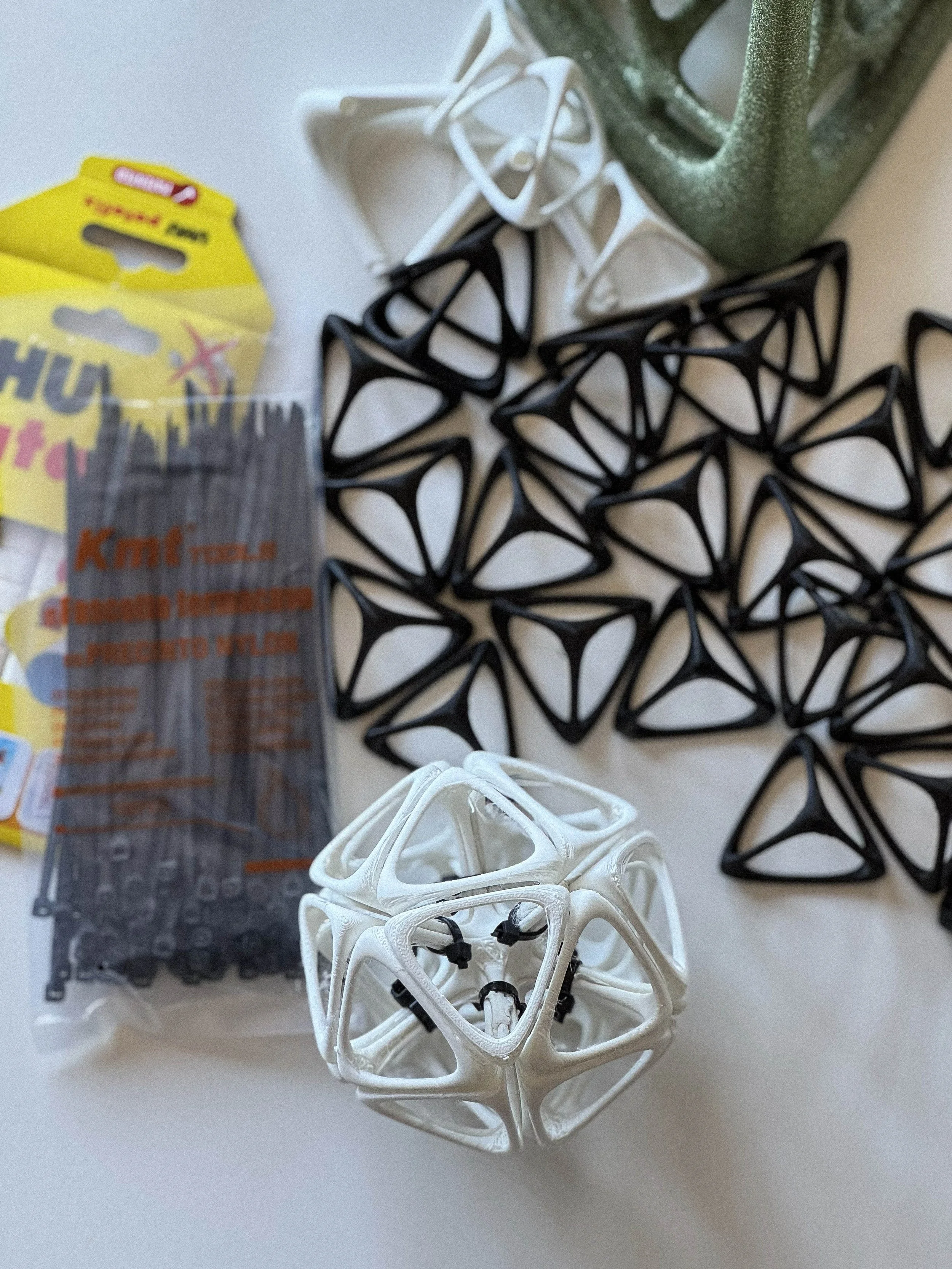
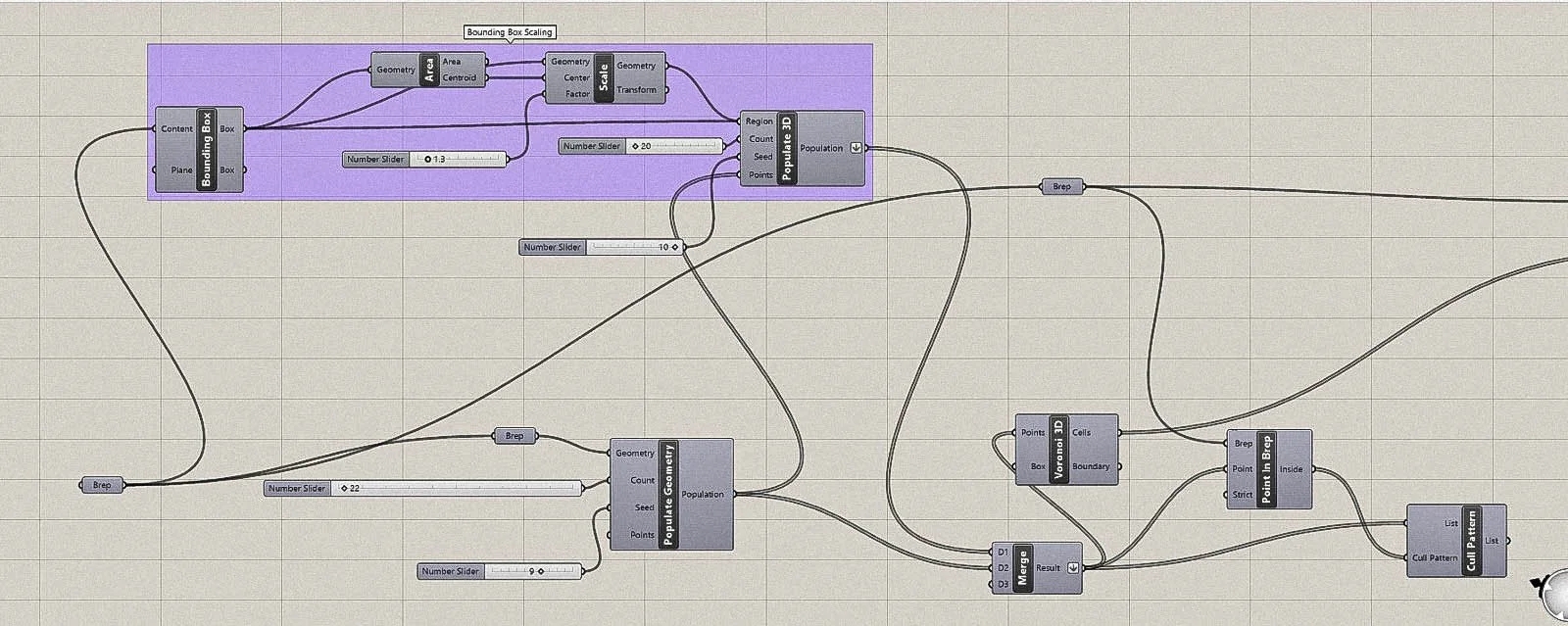
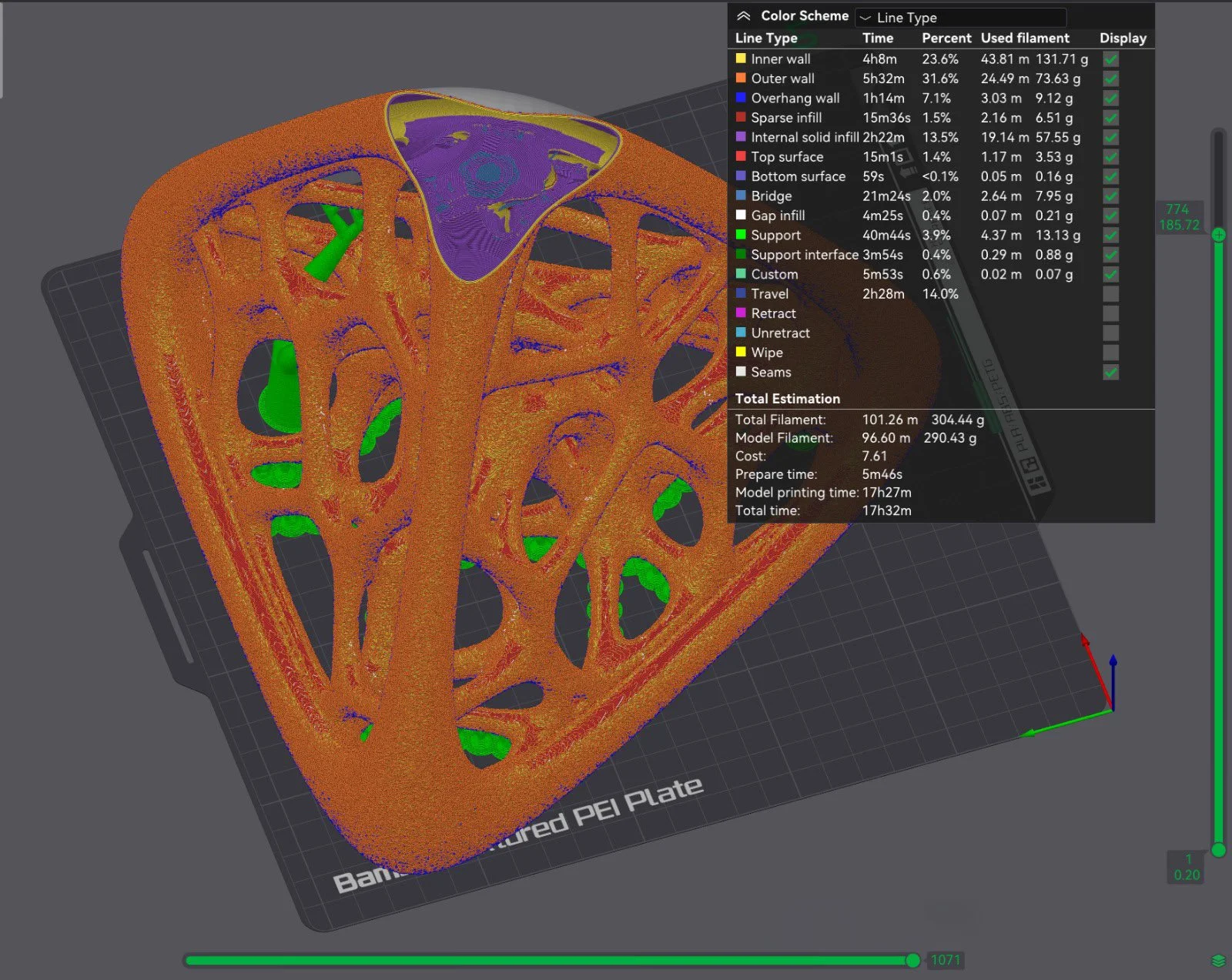
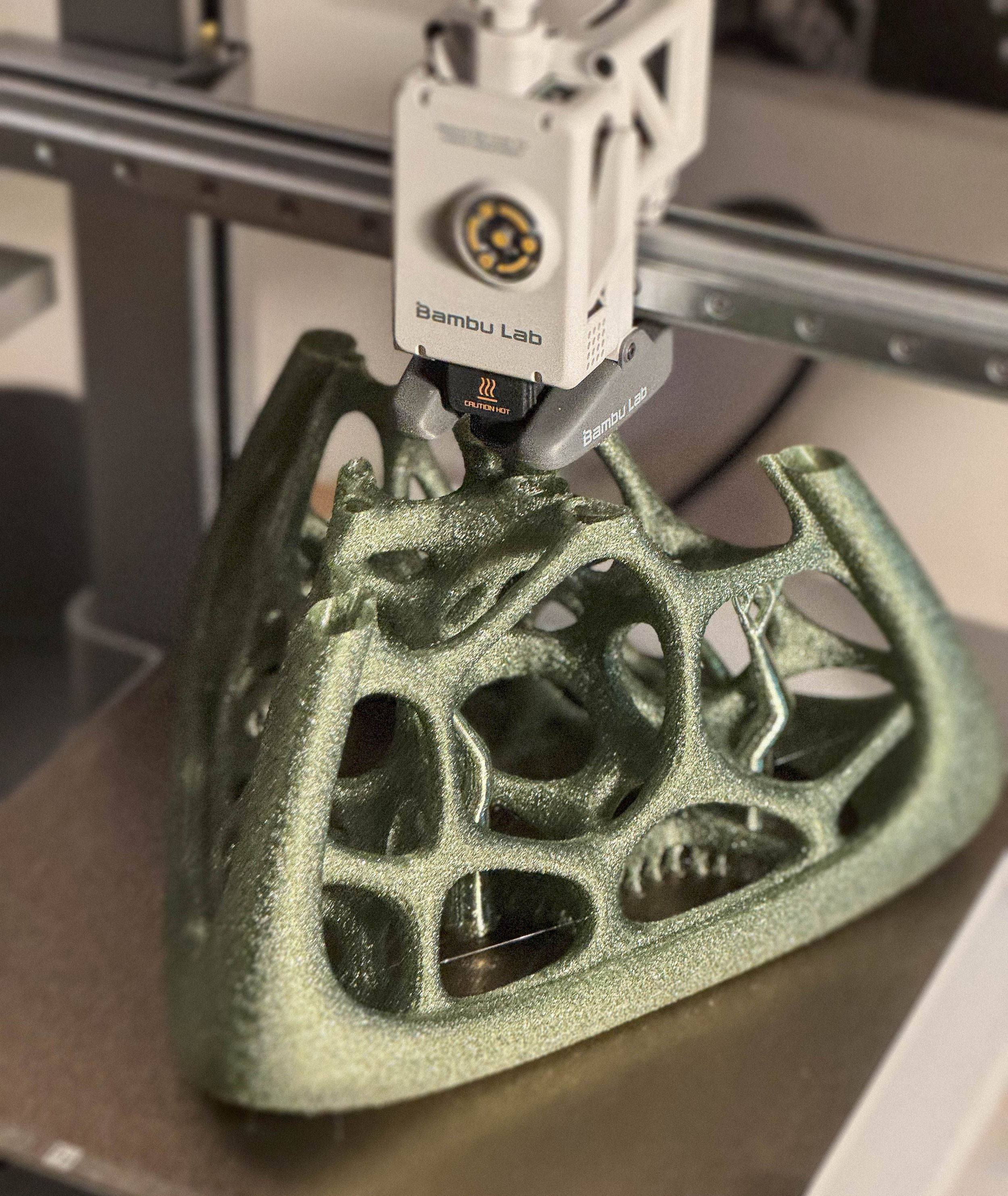
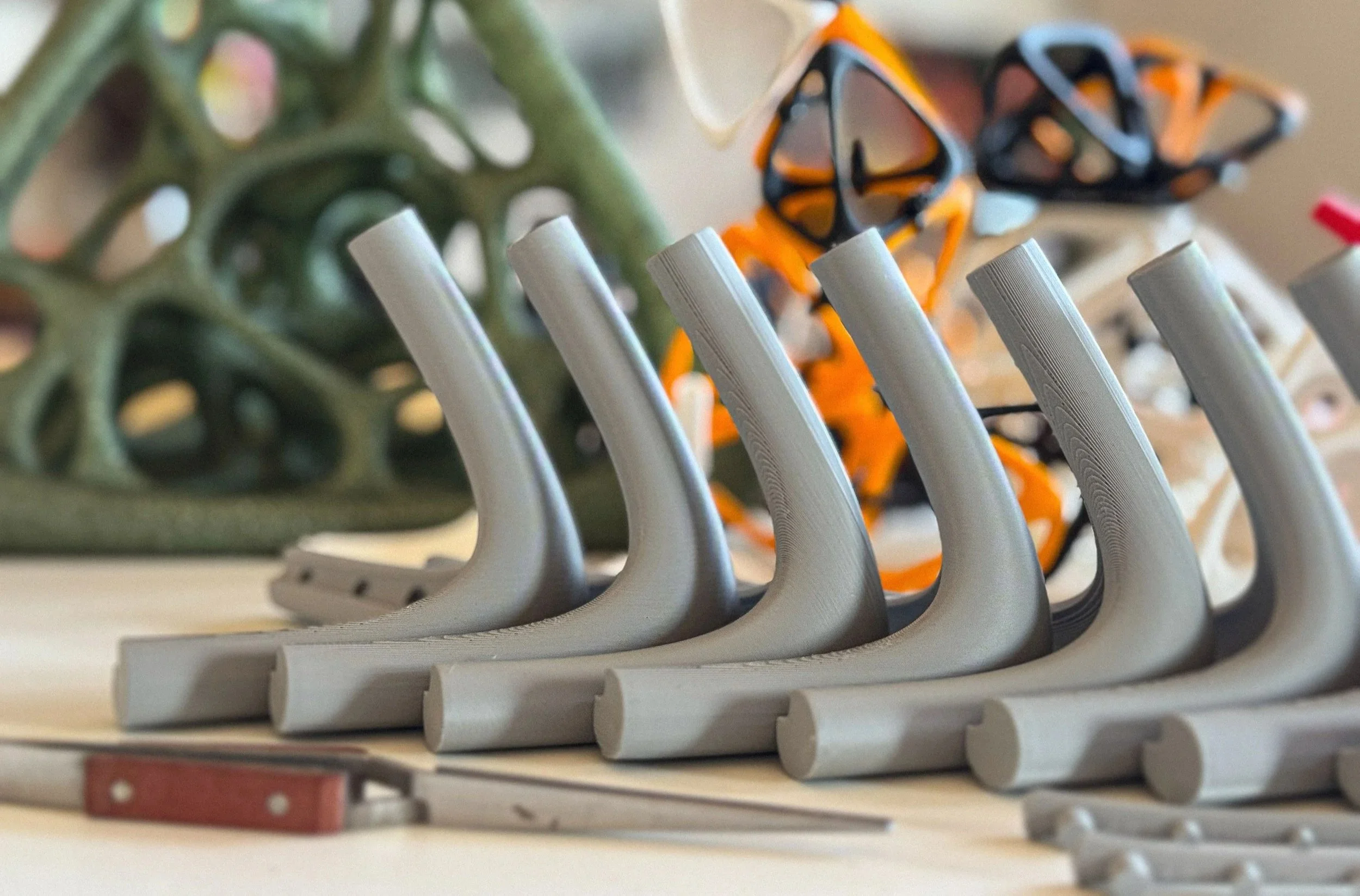
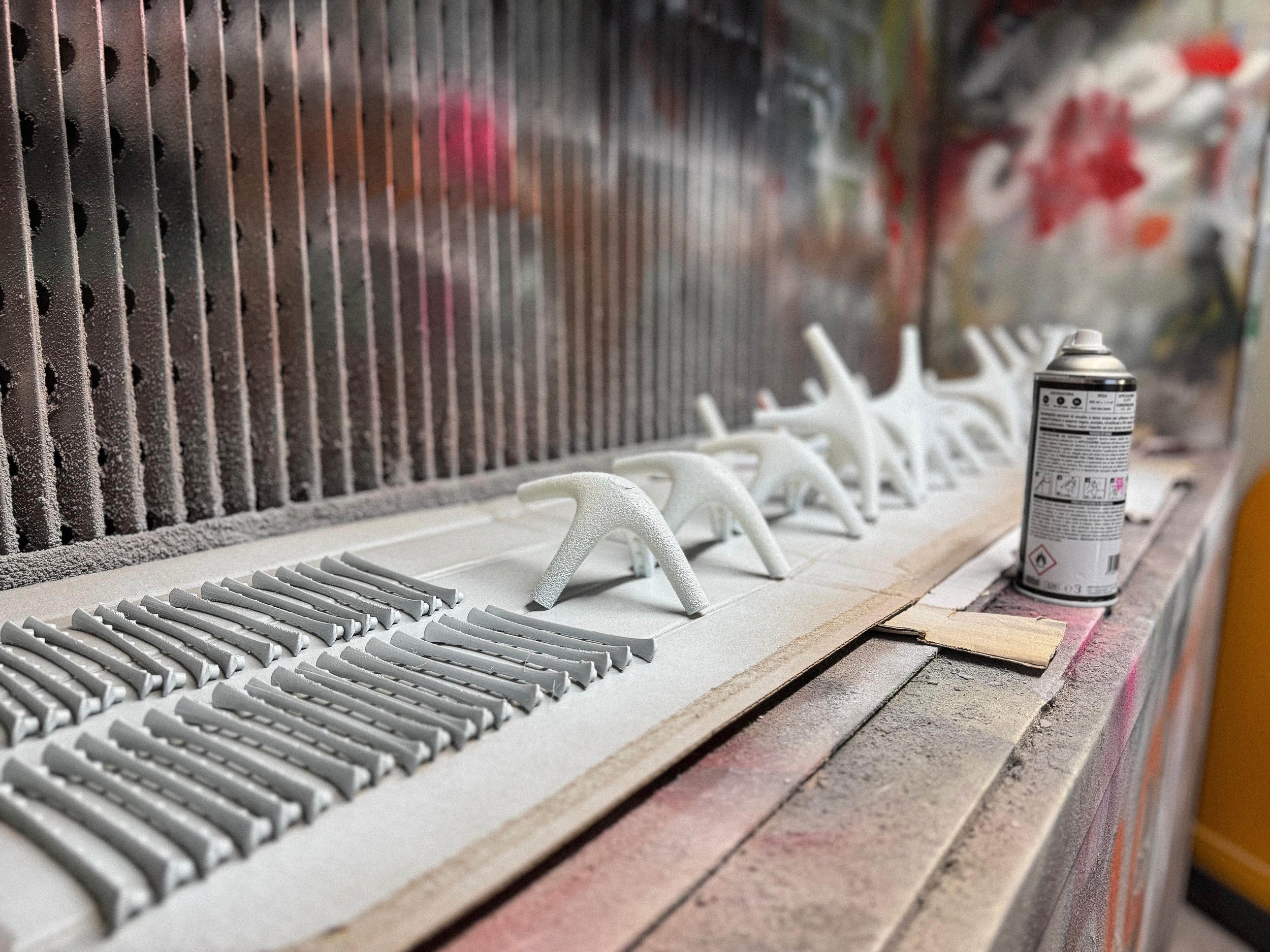
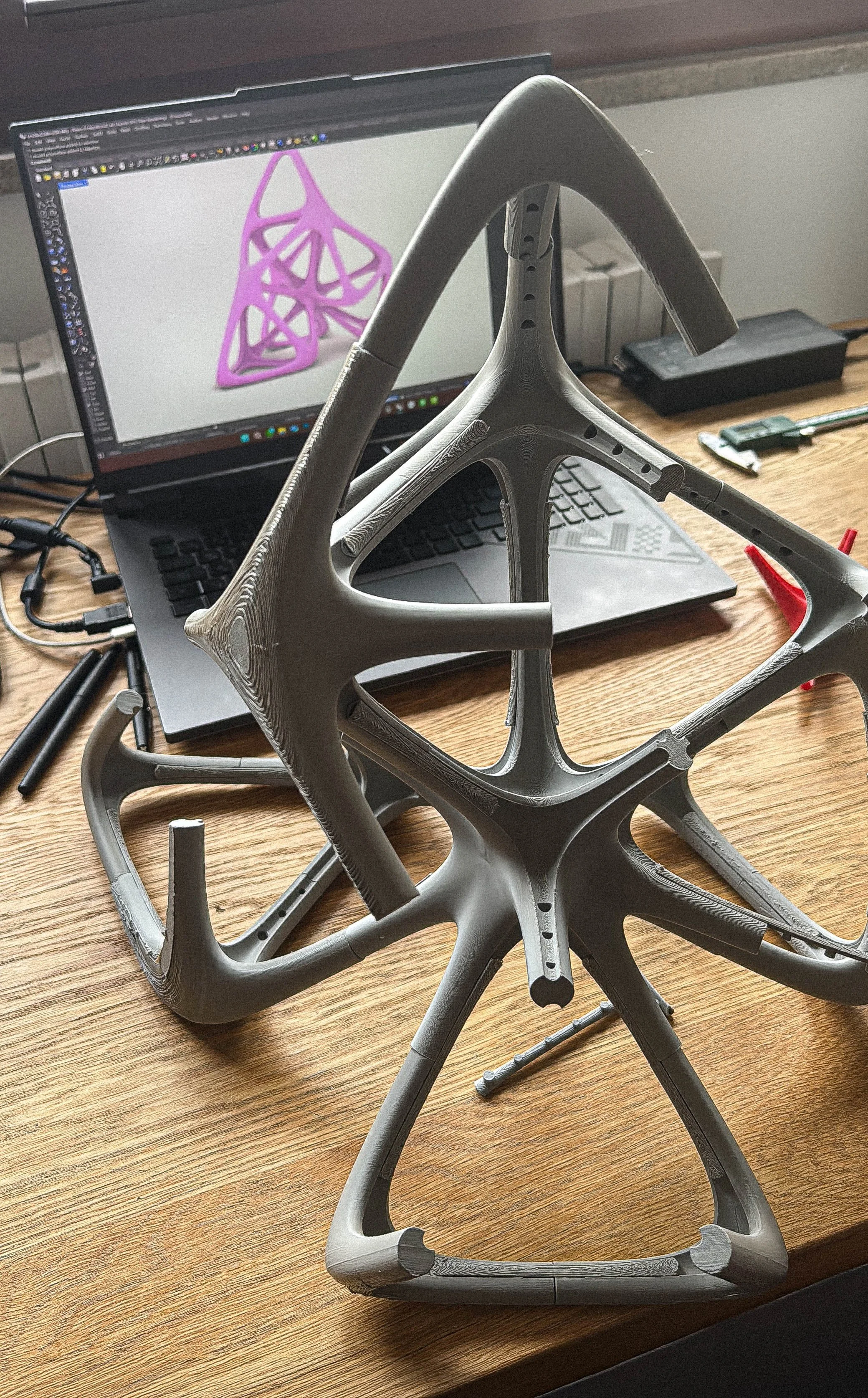
It was a process shaped by rapid iterations and constant exchange of ideas. By continuously testing, failing, and refining, I gradually arrived at the final result.
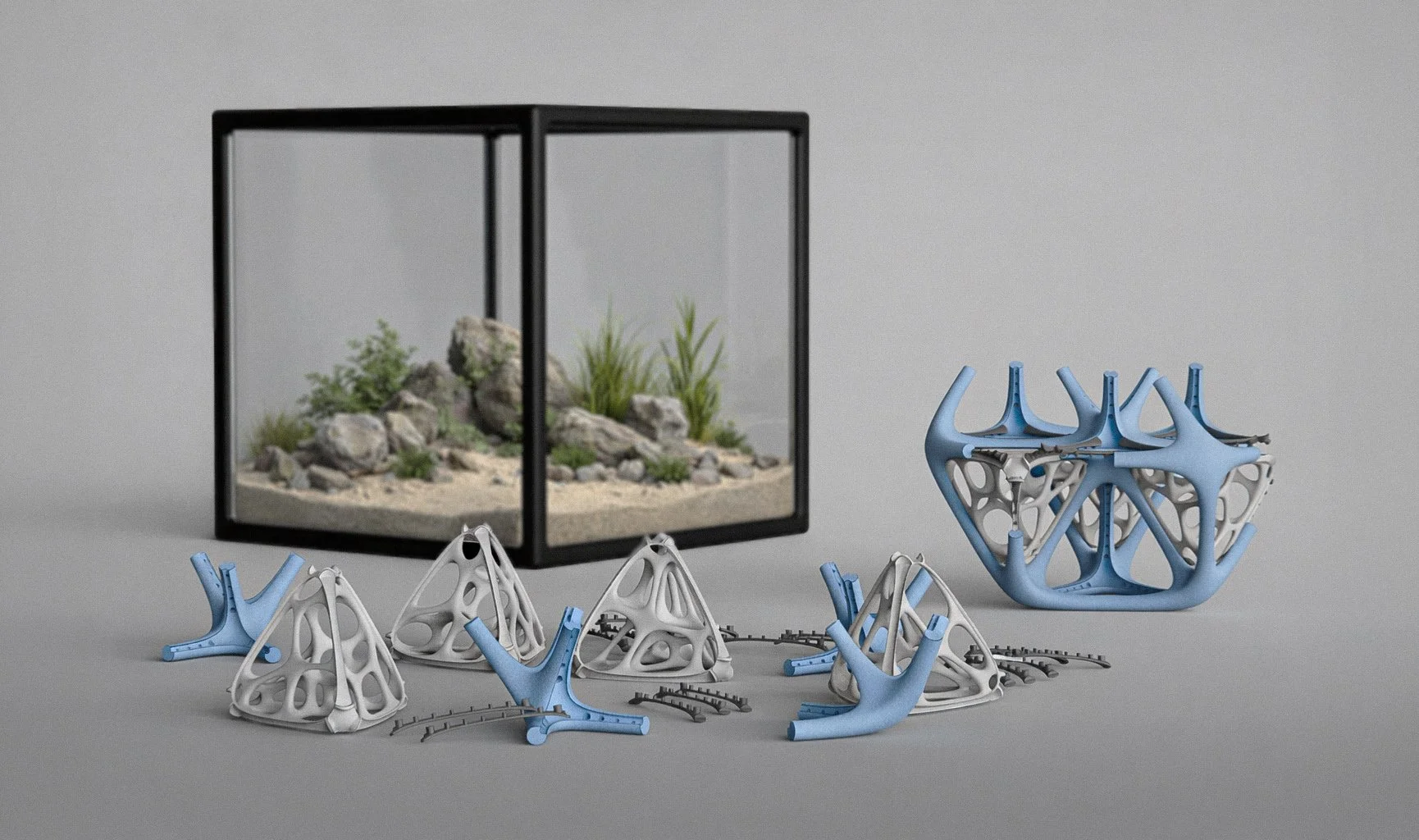
Product Overview
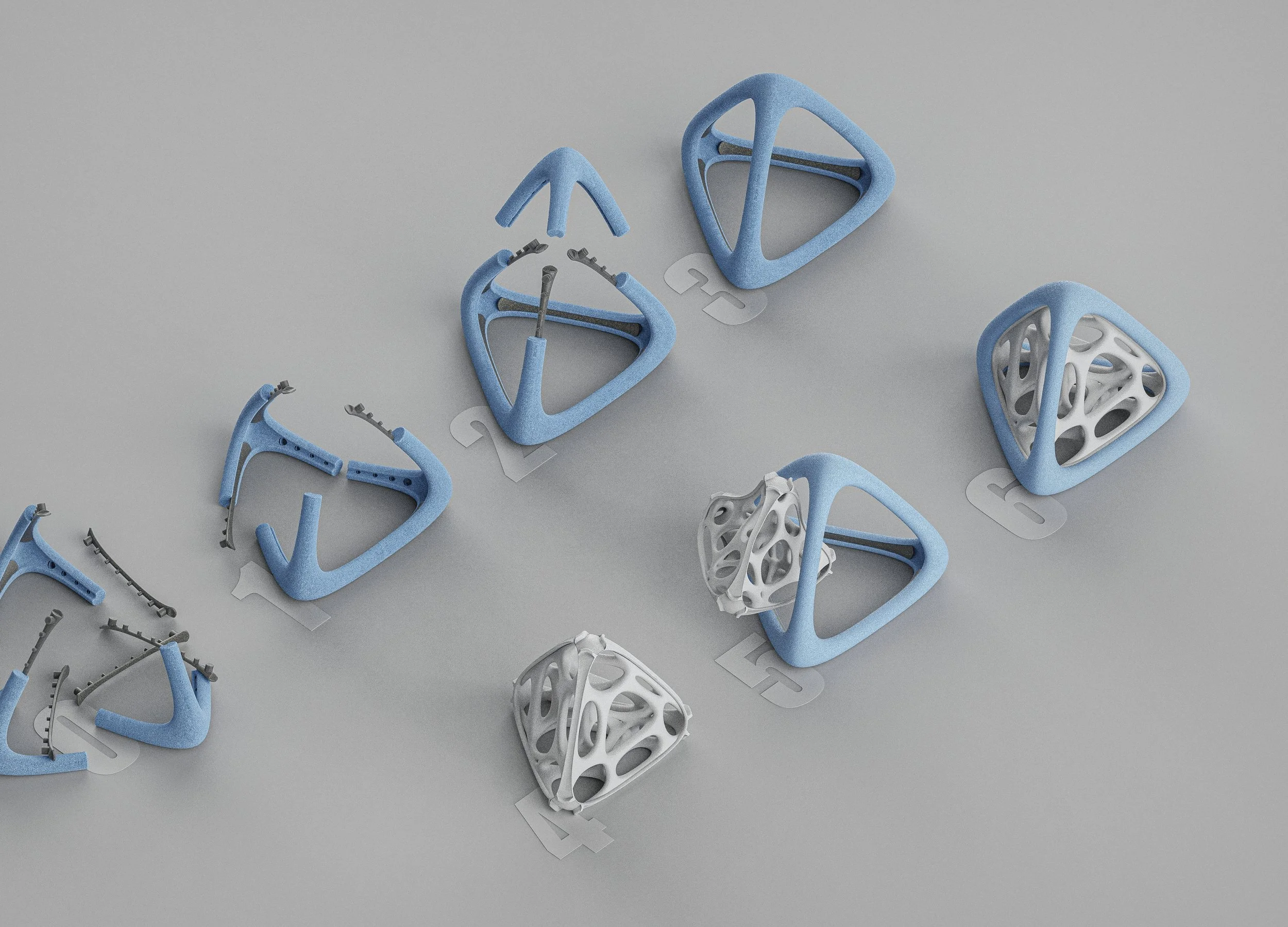
Assembly Of A Single Unit
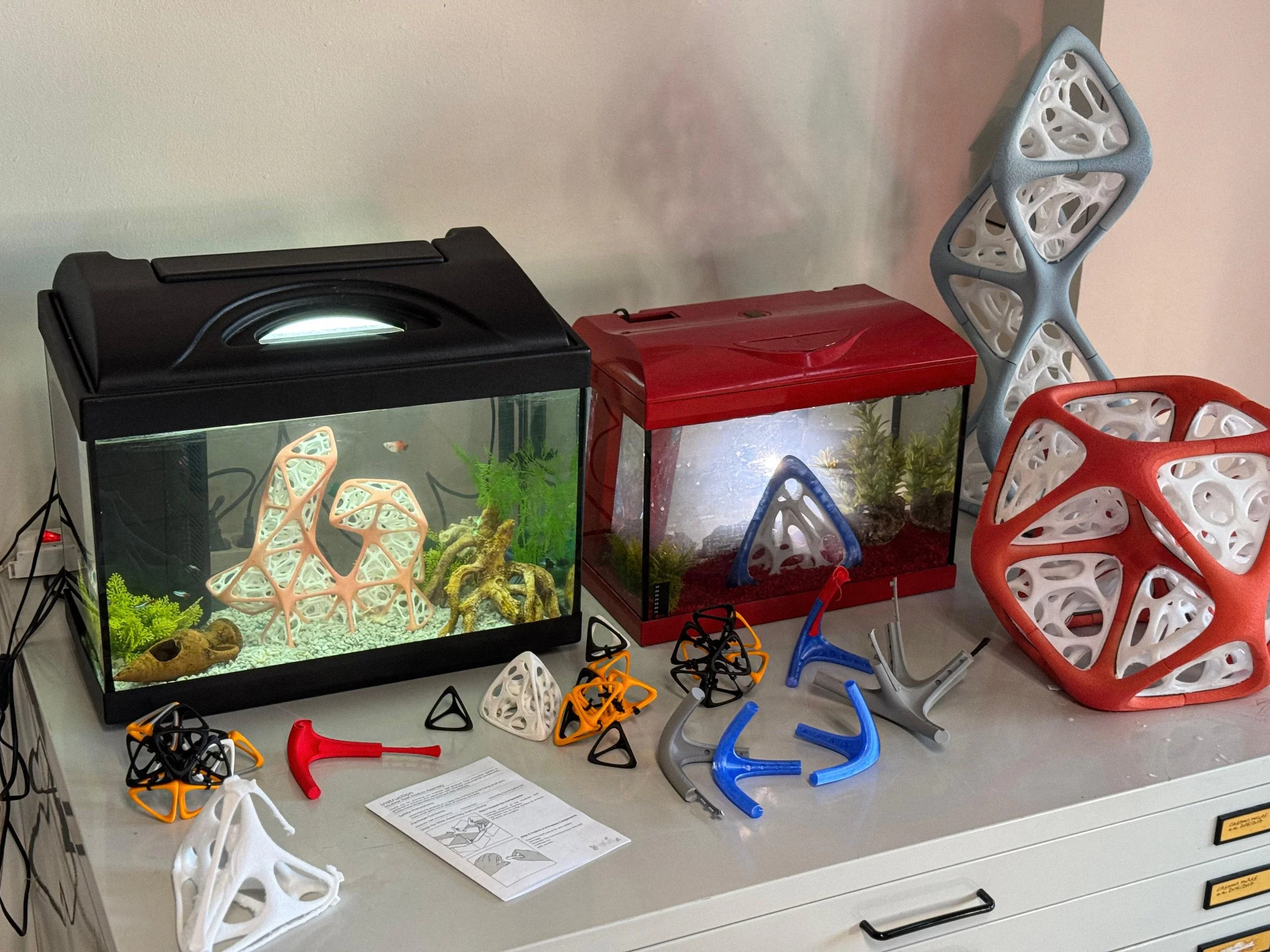
The tetrahedrons are connected to each other using two key components. The first are frames, parametrically designed based on the client’s preferences. The second are injection-molded connectors made from an elastic material, which are universal for all frame pieces.
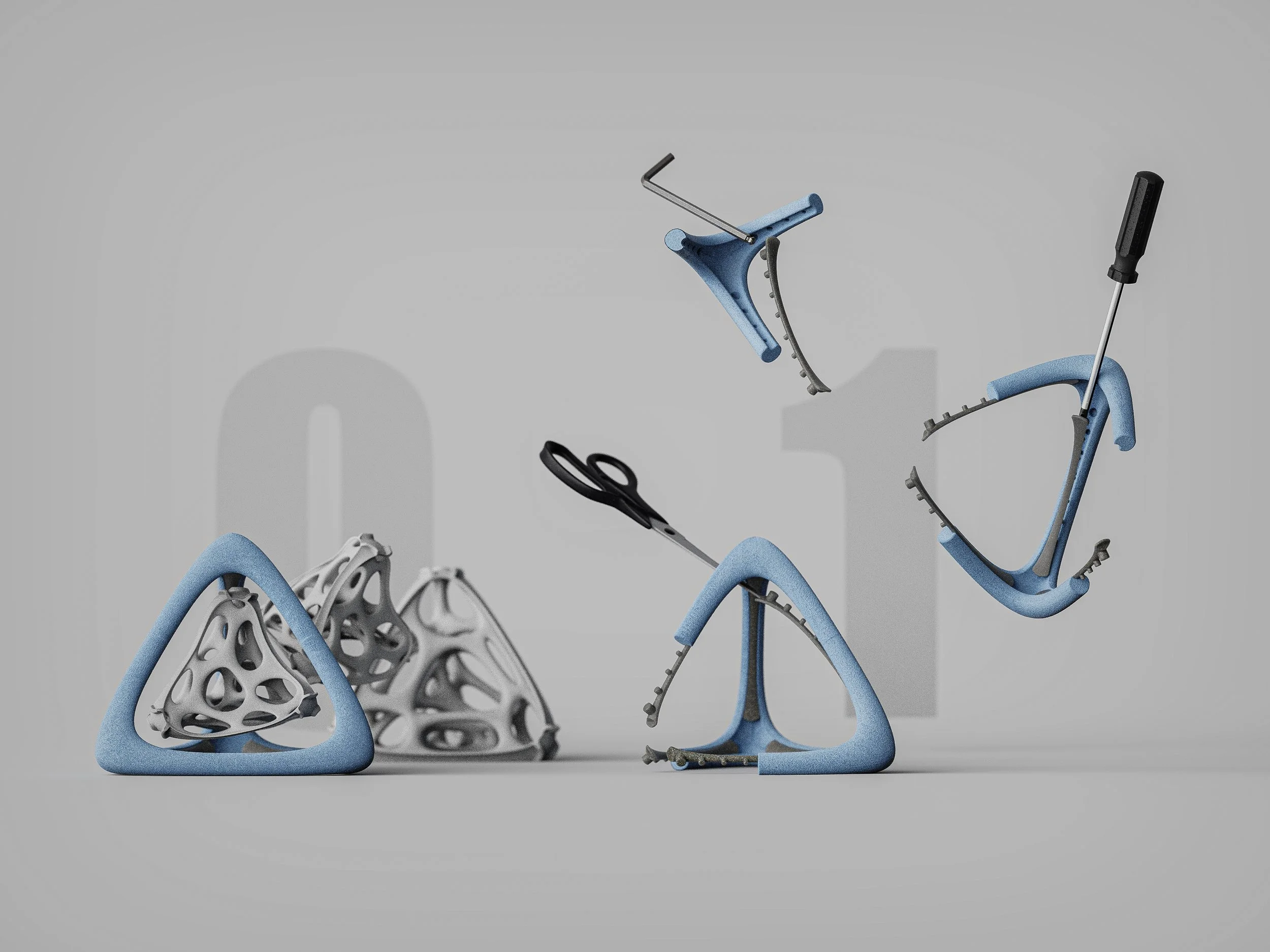
Disassembly
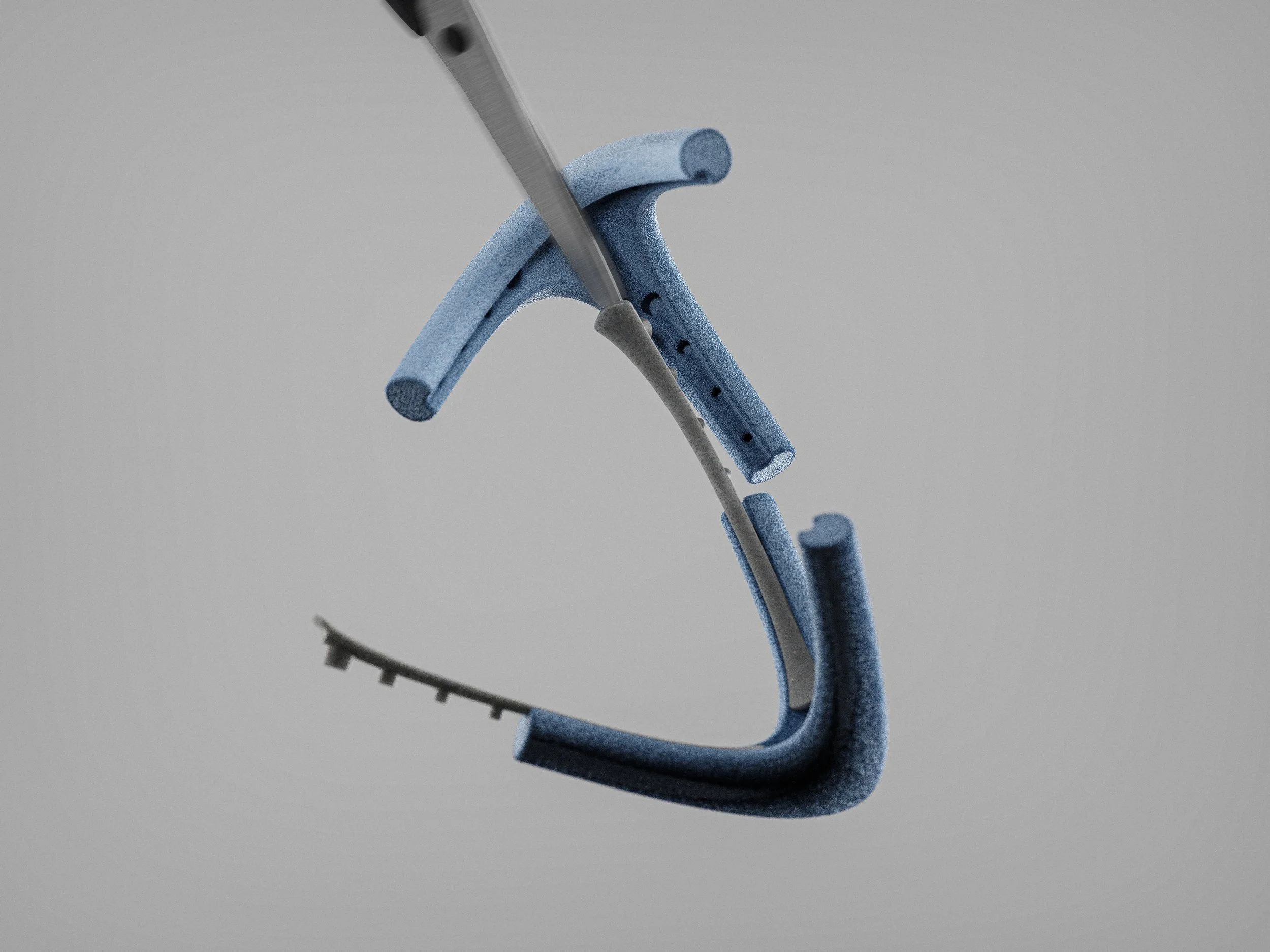
Disassembly starts by squeezing one tip of the Voronoi pattern out of the frame and pulling the shape free. The pin gaps allow removal with any flat, rigid tool, while the frame acts as a pivot point for easy leverage.
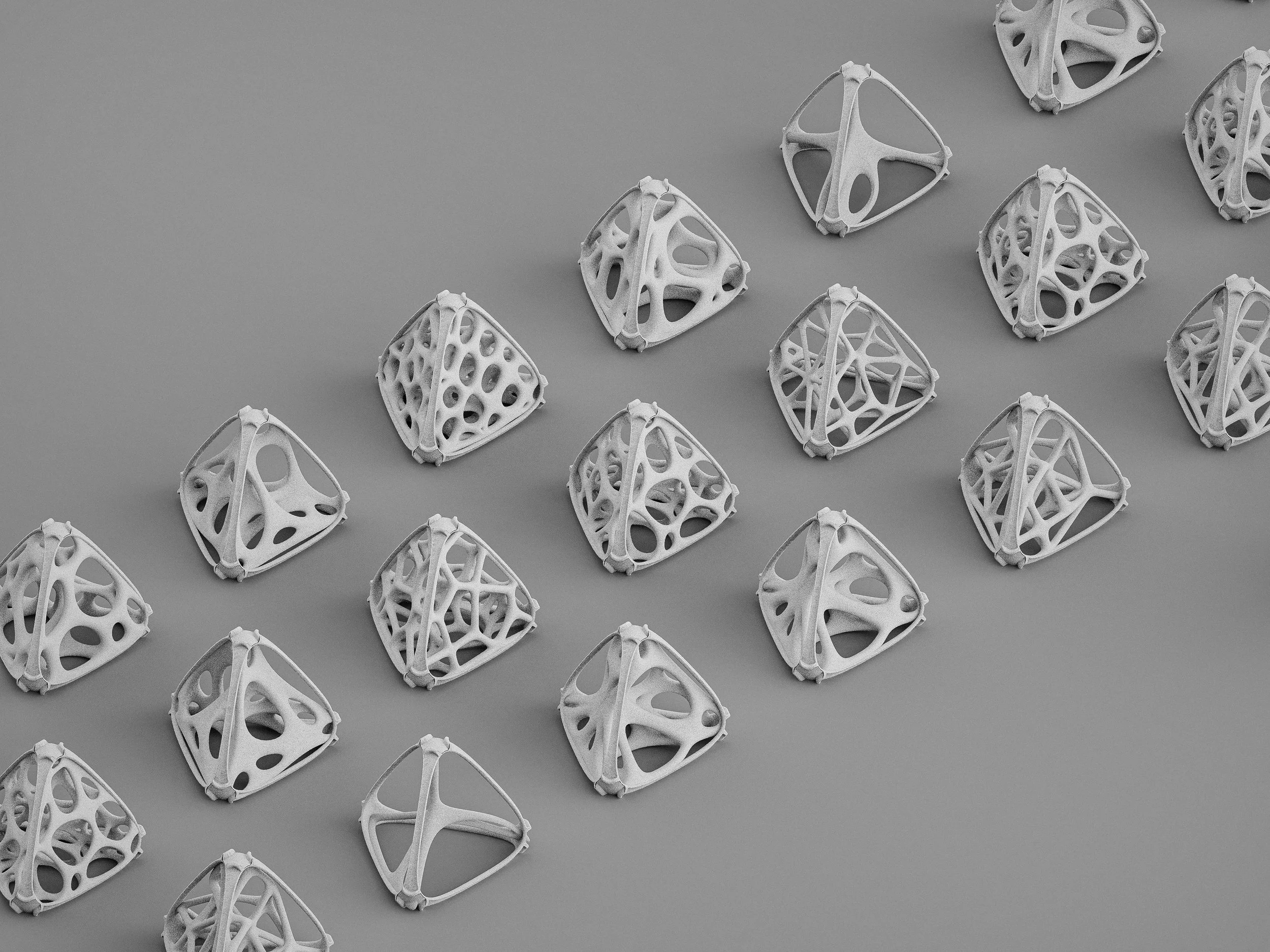
Parametric Voronoi Variations
Clients have the flexibility to customize patterns accordingto fish types and their desires. Thanks to additive manufacturing, we can e ciently adapt and modify these patterns, offering a high level of personalization and design versatility.
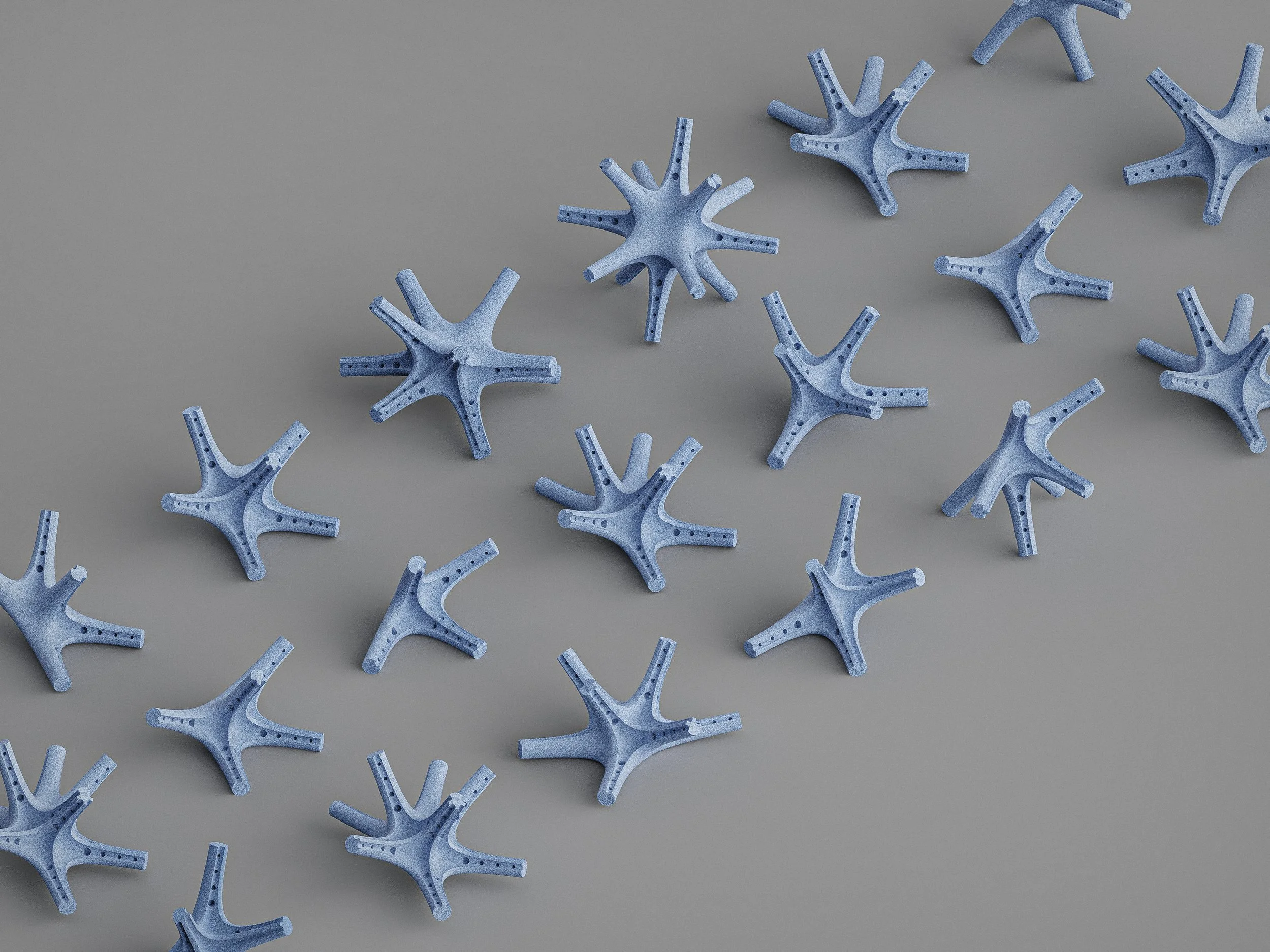
Parametric Frame Variations
Additive manufacturing enables the production of connection pieces tailored to specific configurations with ease. Through this method, numerous customizable connector pieces can be created, allowing users to connect surfaces or edges in unlimited ways, giving them a sense of creative control over the product.
Product Configurations
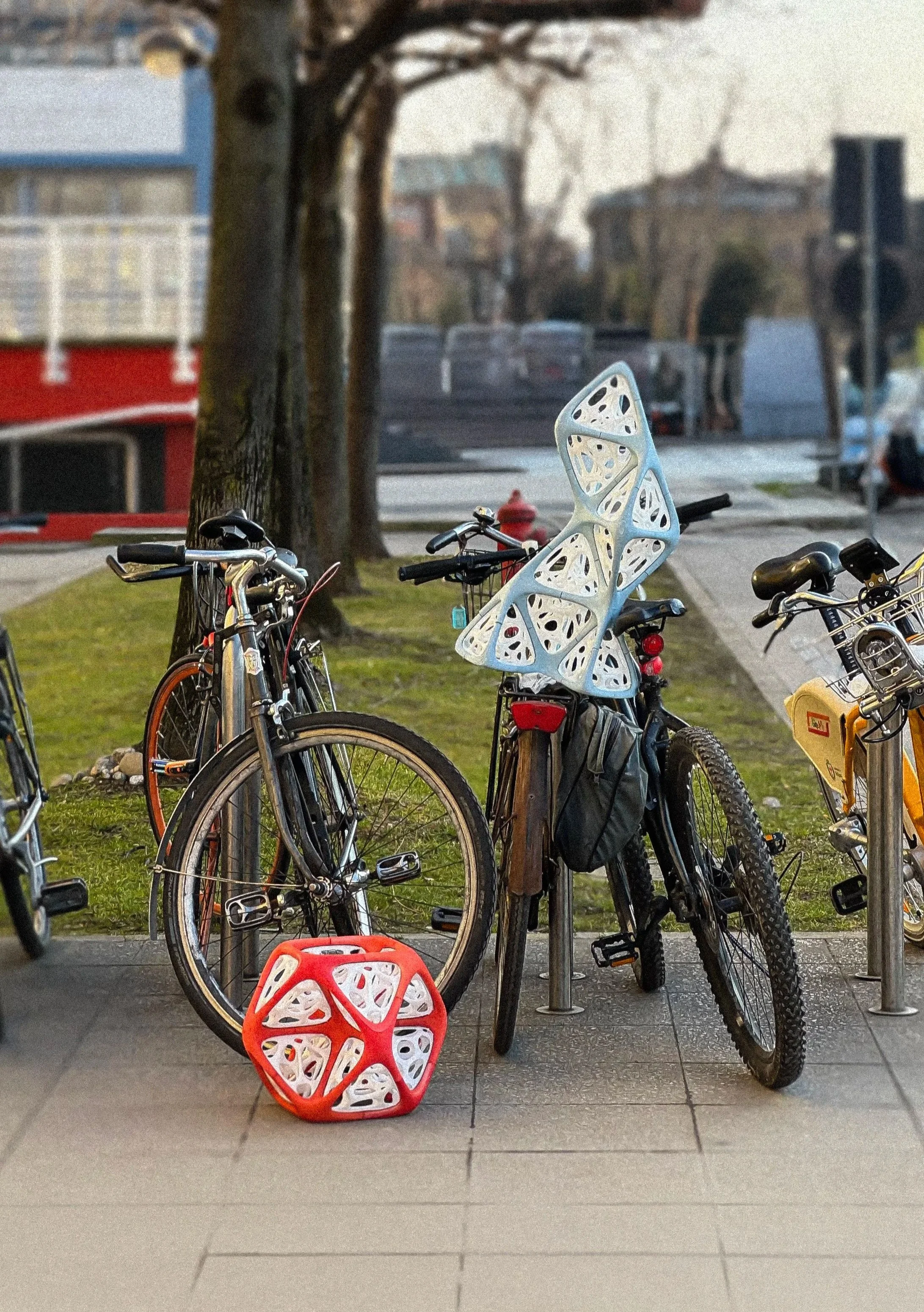
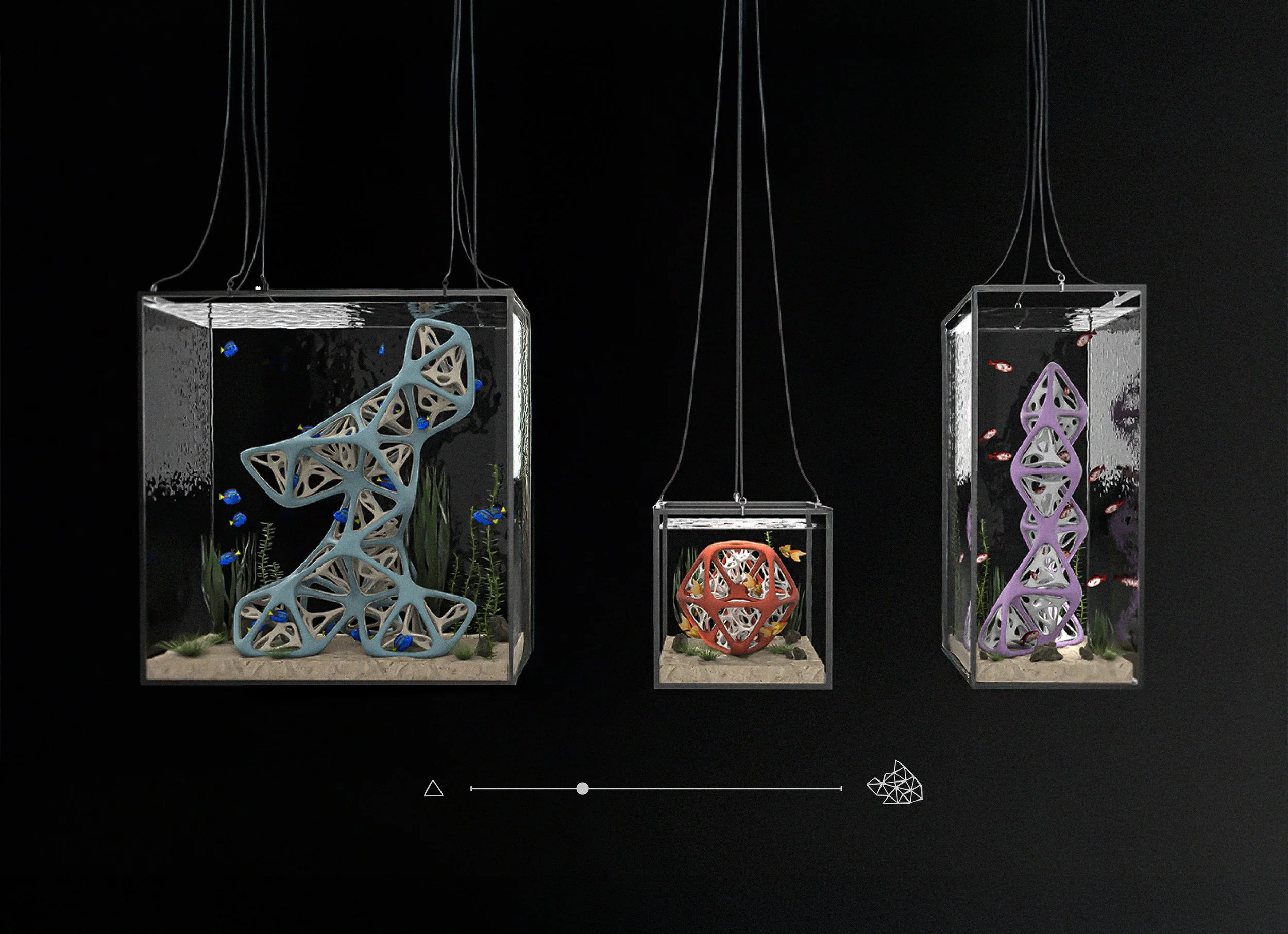
The design of Reefcraft allows buyers to adjust its orientation on demand, adapting to the tank's dimensions and the specific needs of the fish species.
CMF
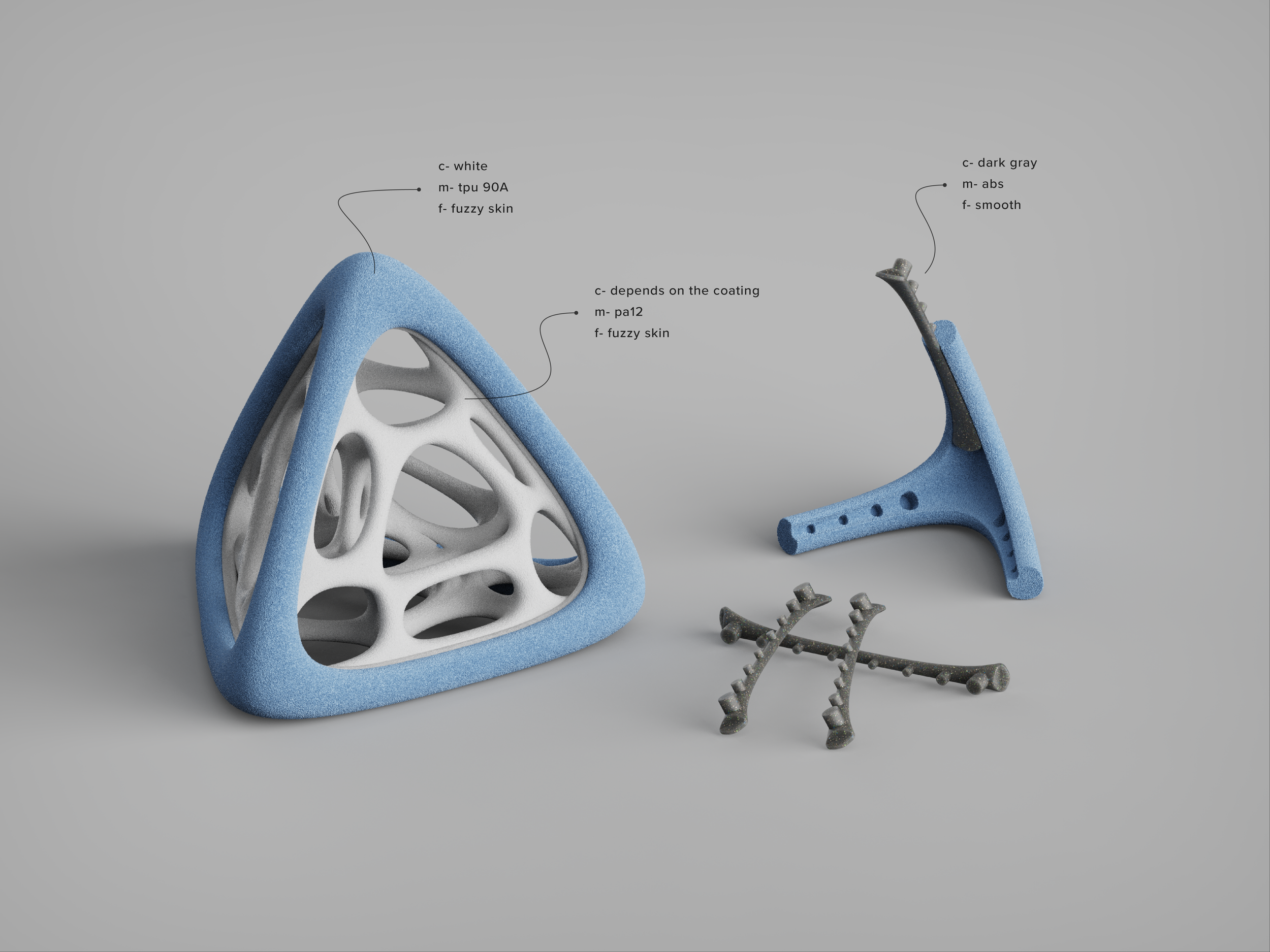
The frame of the product and the main body will be printed using SLS technology with the Formlabs Fuse 1+ 30W.
The connectors will be manufactured through injection molding and made of ABS.
Detail Shots
Jury Day
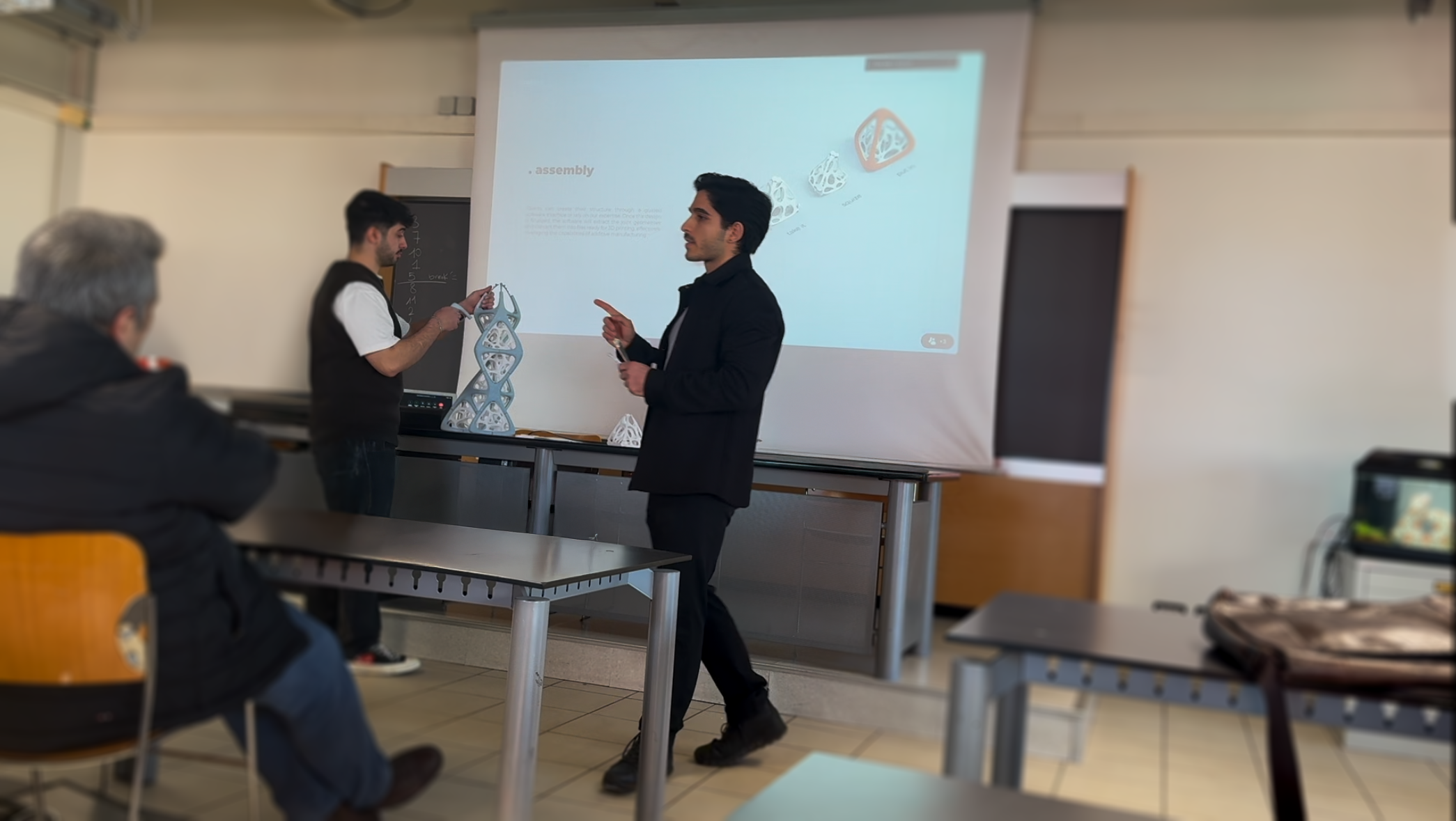
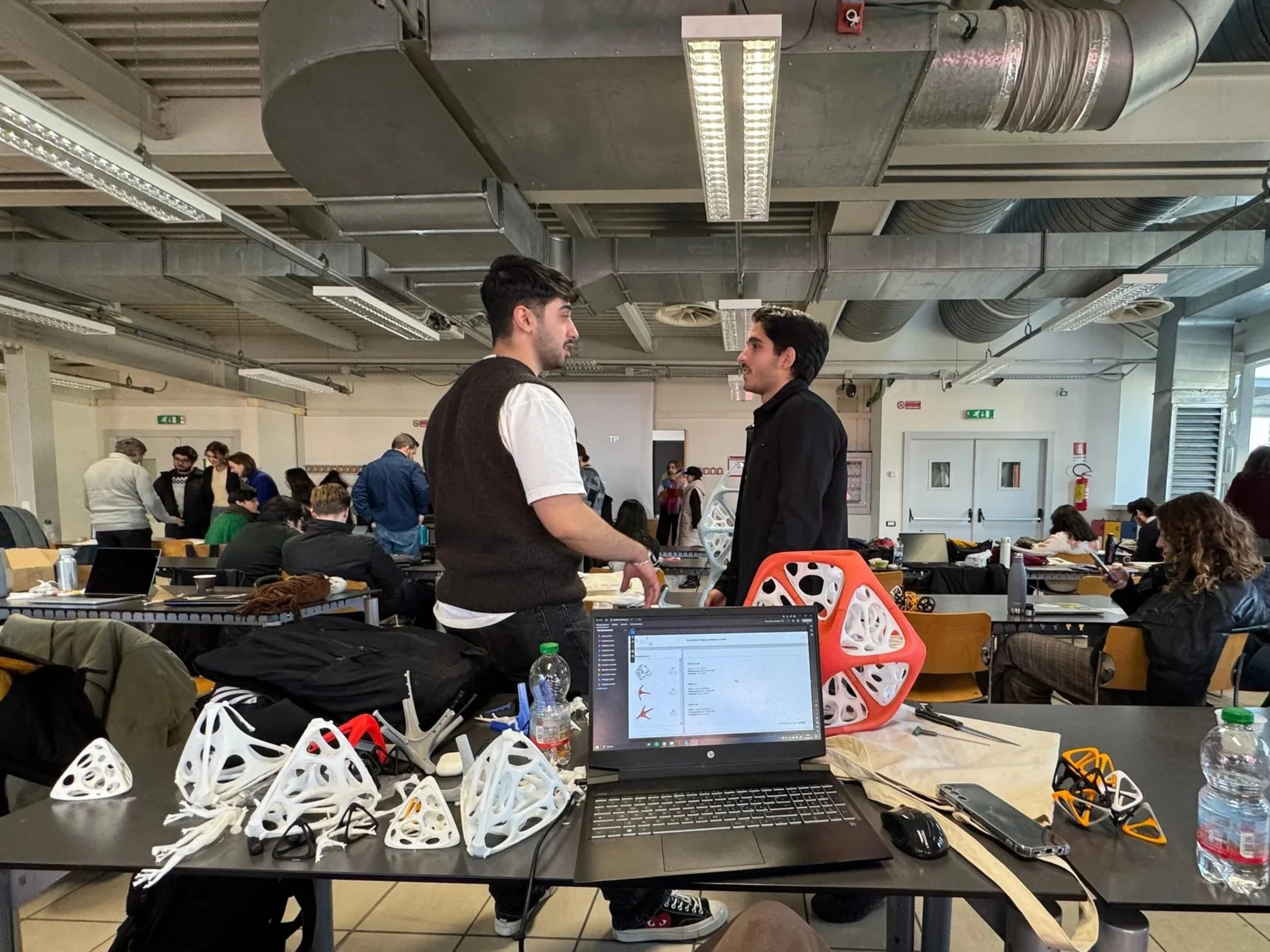
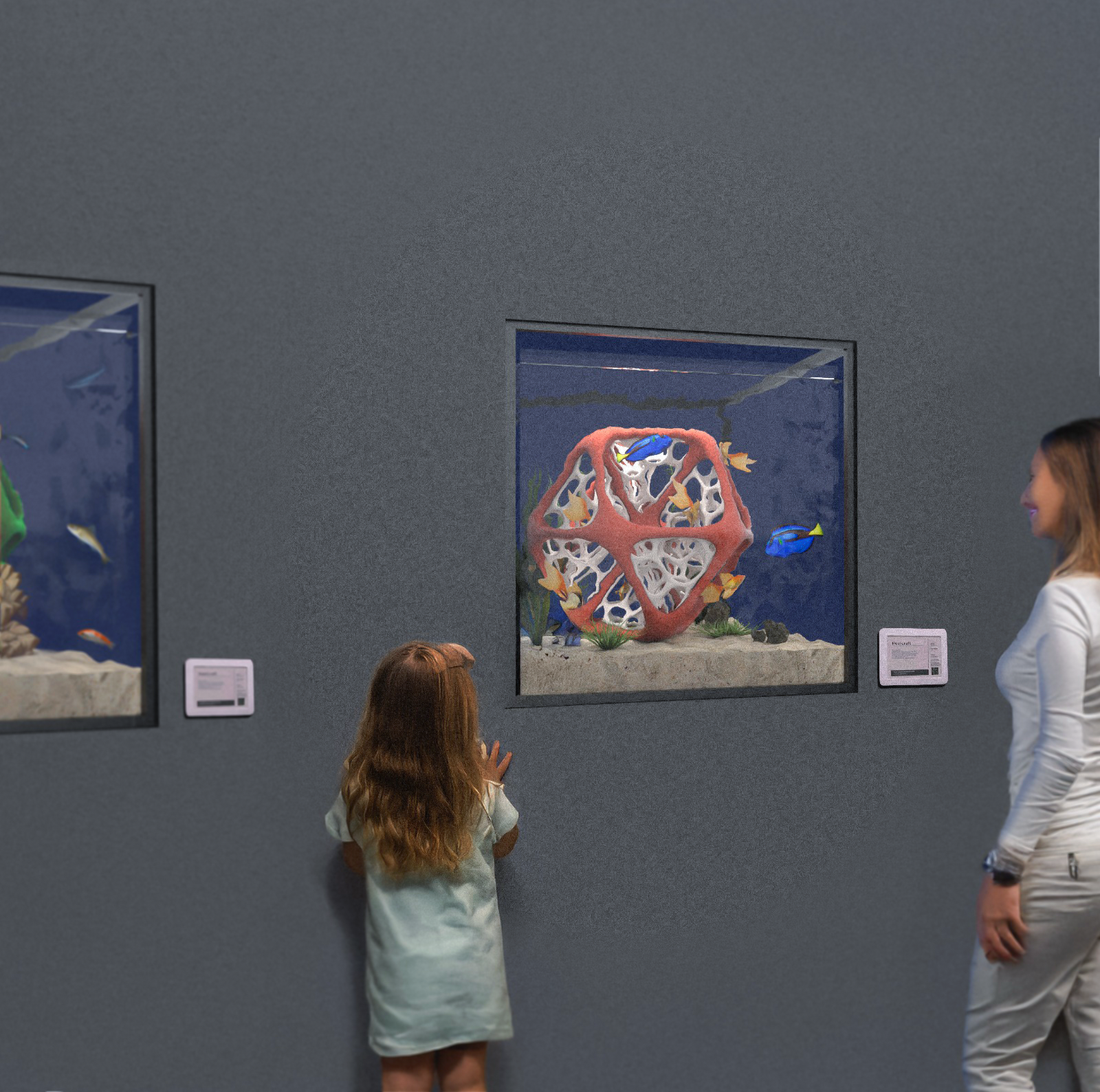
It is always a joy to be on stage on the day of the final jury. I always feel a great sense of pride in presenting the result of hard work and dedication in the best way possible. Here are a few snapshots from that day.